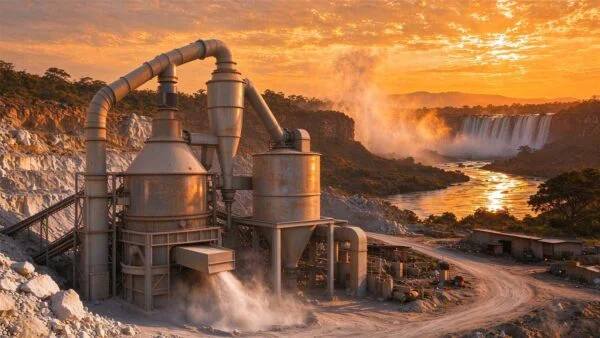
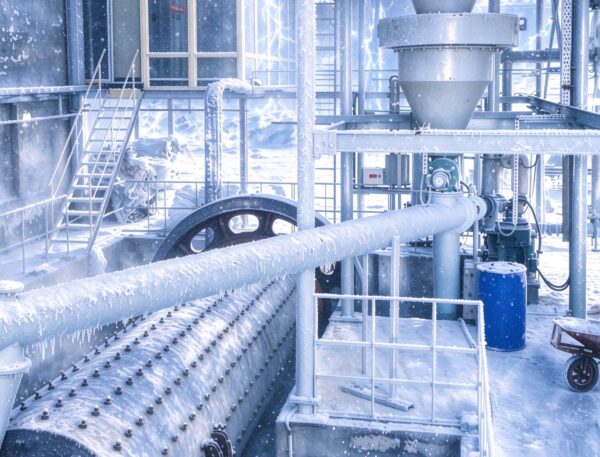
Ground Calcium Carbonate (GCC) is a widely used non-metallic mineral filler for plastics, architectural coatings, paper and rubber products. This article follows our standard calcium carbonate processing workflow and introduces three core production stages: preliminary crushing, grinding & classification, and surface modification. We focus on four mainstream grinding production lines, to help you compare and select suitable grinding and modification equipment for your powder plant.
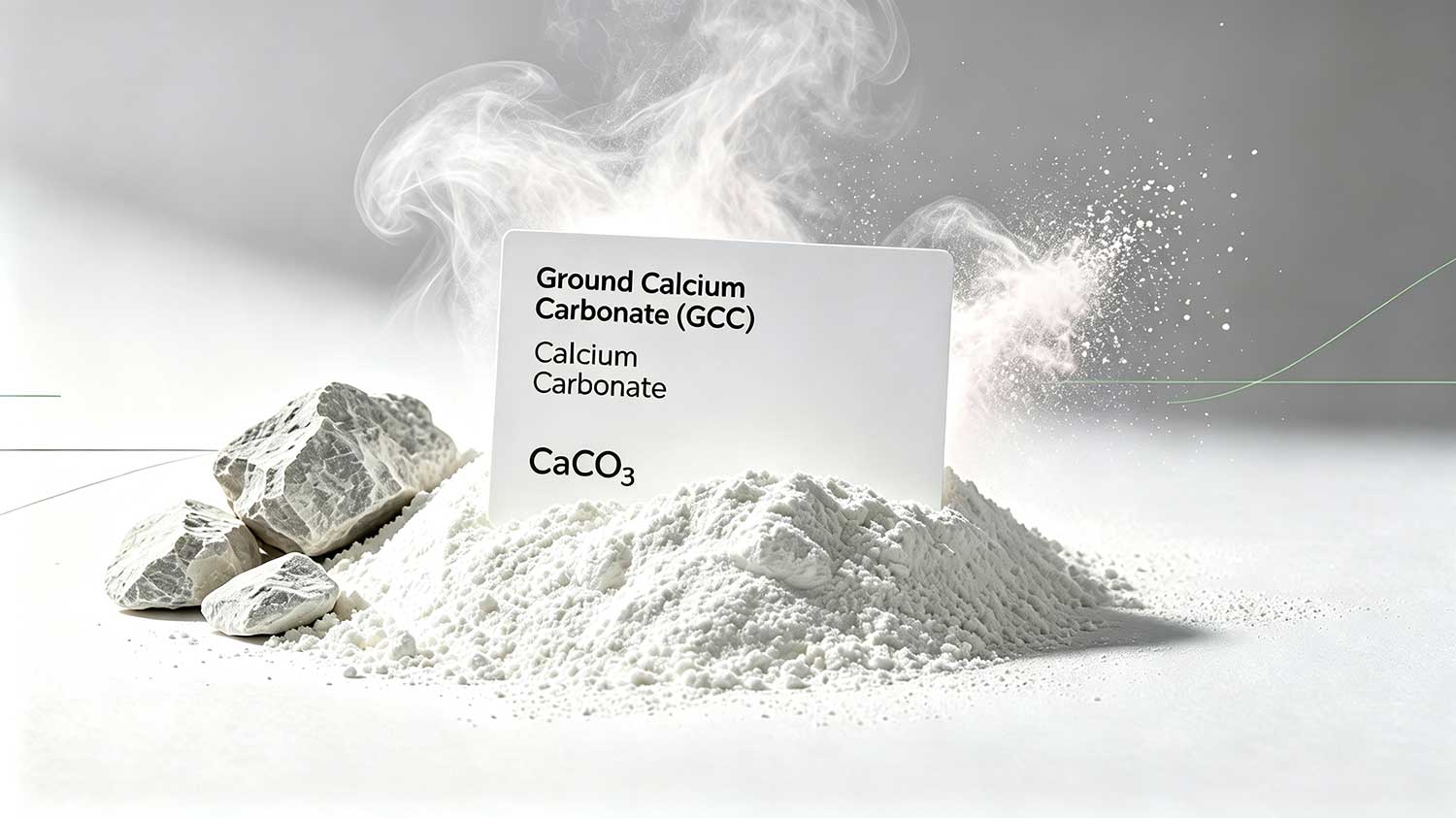
1. Preliminary Crushing
Preliminary crushing is an indispensable pre-process in calcium carbonate powder processing. Its core function is to crush large-grained raw limestone ore down to a particle size that meets the feeding requirements of subsequent grinding equipment.
Common crushing equipment options include:
- Jaw Crusher
- Cone Crusher
- Impact Crusher
2. Grinding & Classification
Grinding and classification are two closely linked core processes, which are essential for producing high-quality, uniformly graded Ground Calcium Carbonate (GCC) powder that meets application requirements.
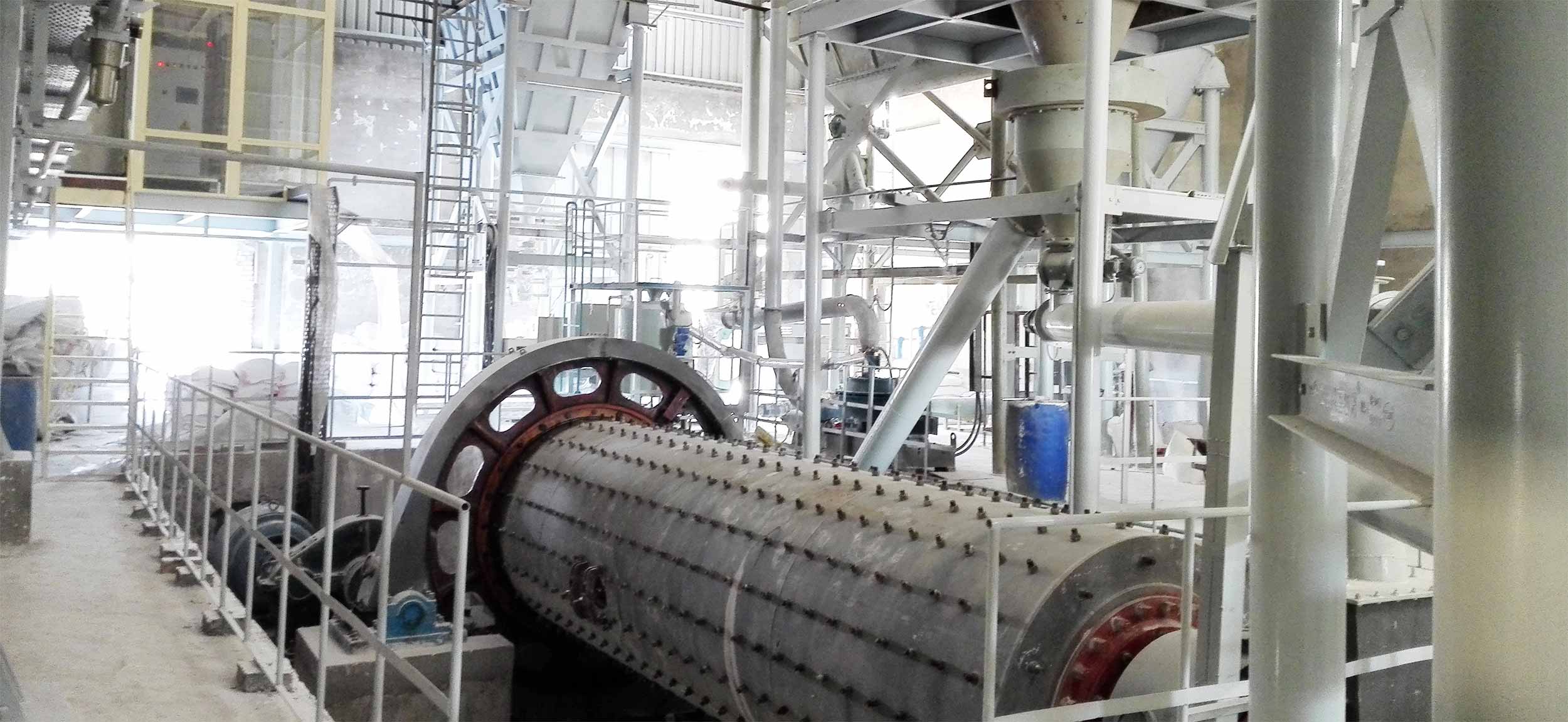
2.1 Ball Mill + Air Classifier Production Process for Ground Calcium Carbonate (GCC)
After pre-crushing, coarse limestone particles enter the ball mill for continuous grinding. The mixed powder is carried by airflow into an air classifier. Fine qualified Ground Calcium Carbonate (GCC) powder is collected by a pulse dust collector. Oversized coarse grains are separated and recirculated back into the ball mill for regrinding.
- Typical fineness range: 325 mesh up to 3000 mesh
- Advantages: Great flexibility to adjust particle size, stable for ultra-fine GCC powder, mature closed-circuit system.
- Suitable use: High-grade coatings, ink, high-fill plastic masterbatch.
- Limitations: Higher energy consumption compared with vertical mill systems.
2.2 Vertical Mill Production Process for Ground Calcium Carbonate (GCC)
Pre-crushed limestone falls onto the rotating grinding table inside the vertical mill, and is compressed and ground by grinding rollers. Airflow lifts ground powder upward into the built-in classifier. Fine Ground Calcium Carbonate (GCC) powder is collected, while coarse material drops back onto the grinding table.
- Typical fineness range: 600 mesh ~ 3000 mesh
- Advantages: Low energy consumption, compact footprint, large single-line capacity.
- Suitable use: Mass production for paper filler, ordinary plastic filling.
- Limitations: Some operational noise occurs; it demands higher upfront and ongoing investment.
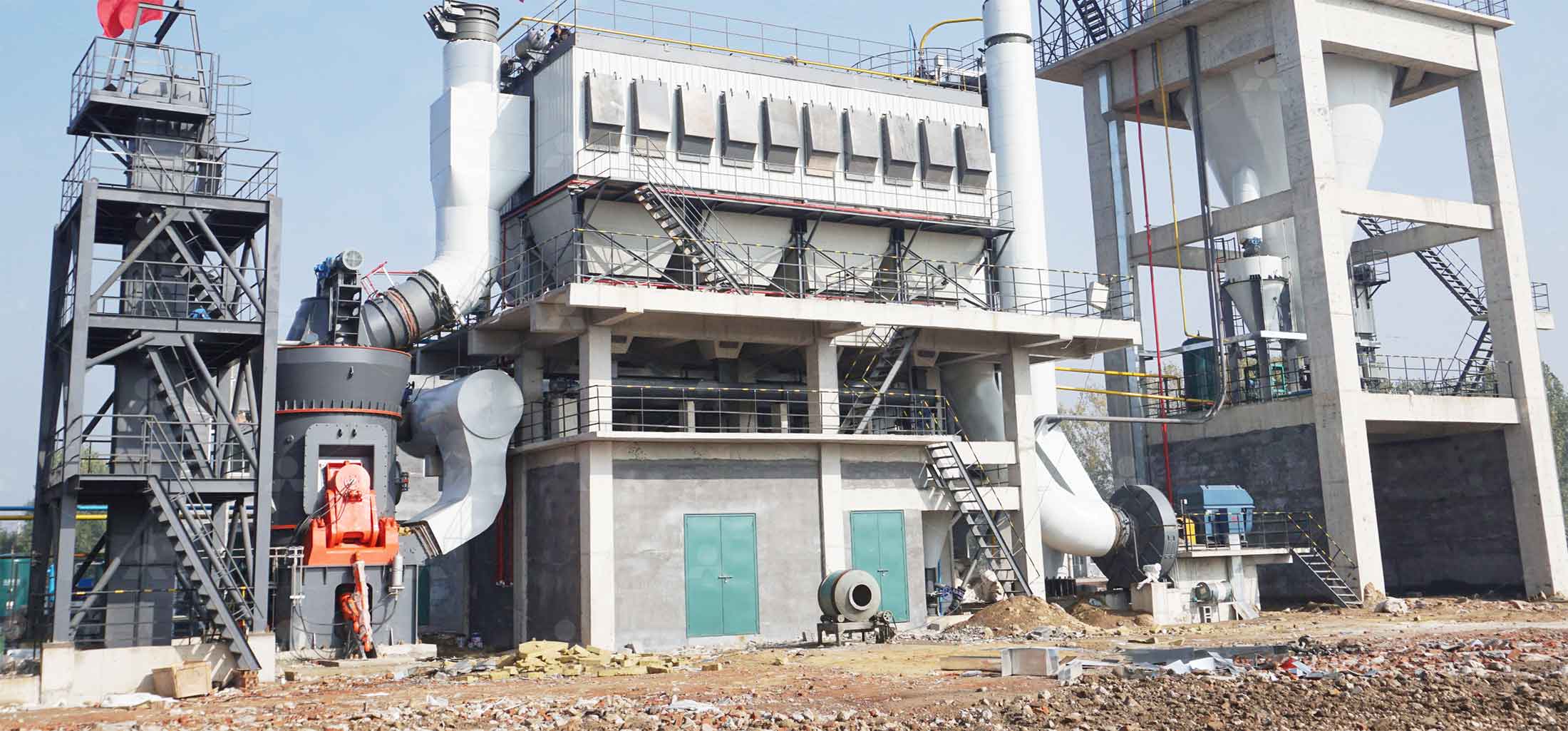
2.3 Ring Roller Mill Production Process for Ground Calcium Carbonate (GCC)
Coarse limestone enters the ring roller mill and gets ground by rollers and ring track. Airflow sends powder into the built-in classification unit. Qualified Ground Calcium Carbonate (GCC) powder is collected, and coarse particles circulate back for regrinding.
- Typical fineness range: 600 mesh ~ 2500 mesh
- Advantages: Moderate investment cost, reliable for medium ultra-fine GCC.
- Suitable use: General coating, rubber filler, mid-range powder products.
- Limitations: Not designed for extremely large tonnage mass production.
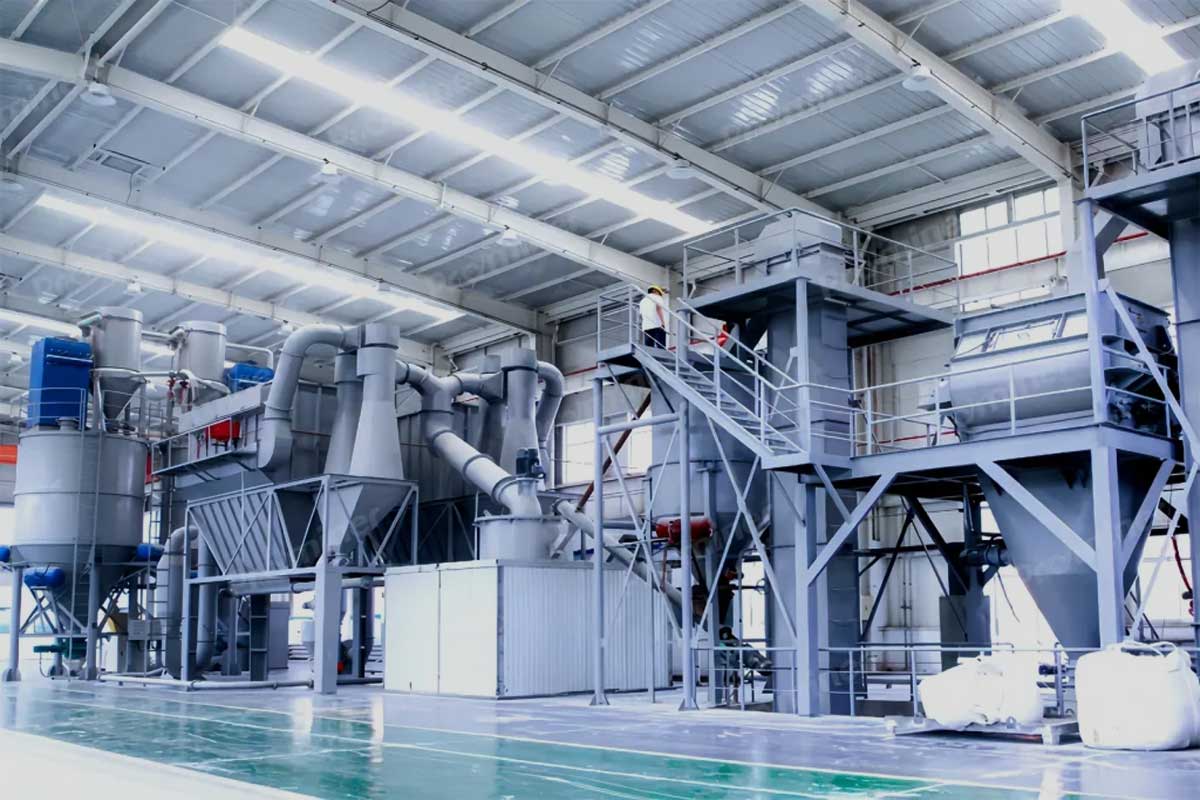
2.4 Raymond Mill Production Process for Ground Calcium Carbonate (GCC)
Pre-crushed limestone is fed into the Raymond mill. Material is ground between grinding rollers and grinding ring. The classifier separates fine Ground Calcium Carbonate (GCC) powder.
- Typical fineness range: 500 mesh ~ 1250 mesh
- Advantages: Low initial investment, simple maintenance, easy operation.
- Suitable use: Construction material, low-cost ordinary filler.
- Limitations: It cannot reach ultra-fine mesh levels.
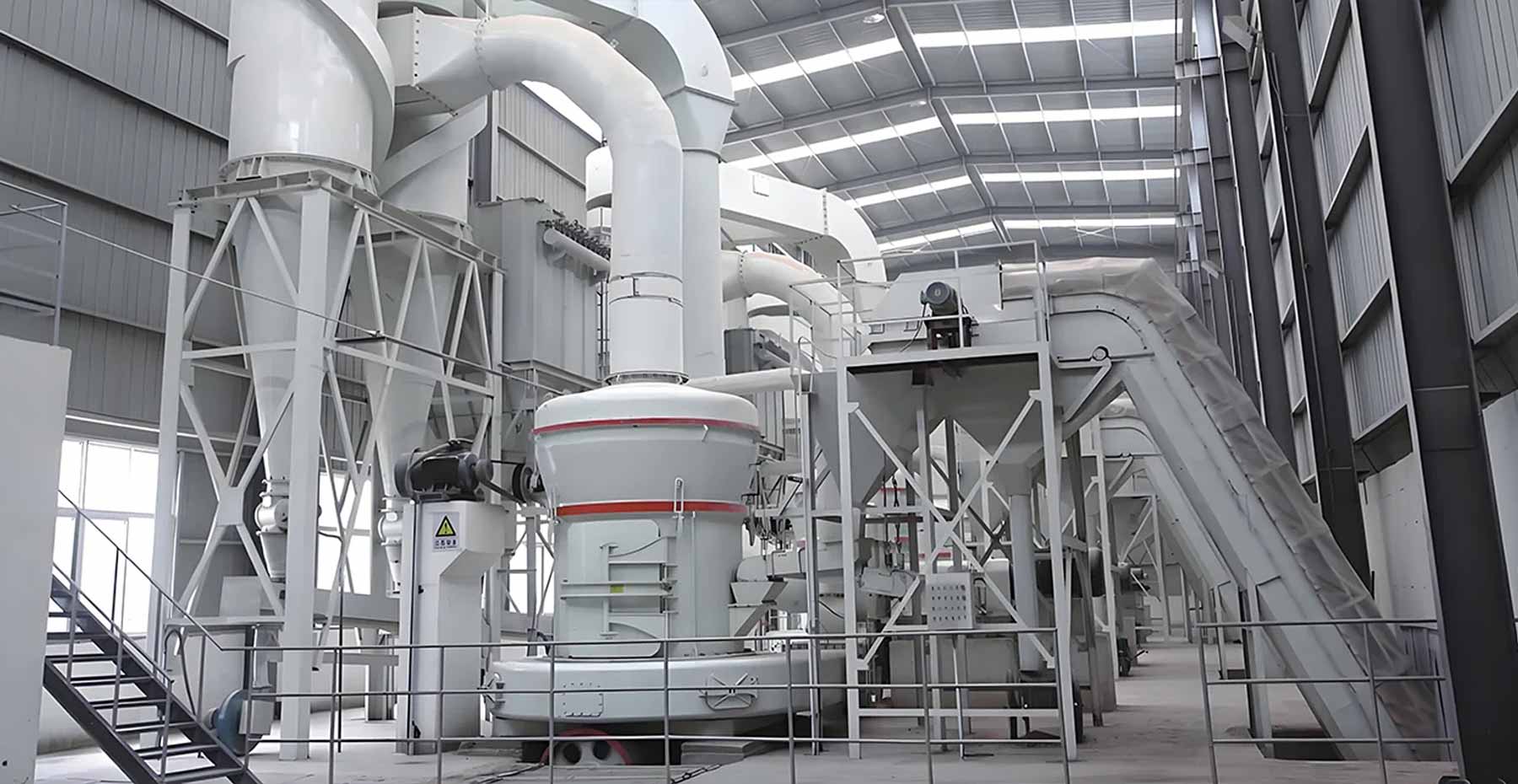
3. Surface Modification
Surface modification is a core method for transforming mineral fillers from ordinary extender fillers into functional fillers. This step is optional. Many purchasers add modification units after grinding, to improve powder compatibility with plastic, rubber and coating resin.
We provide the mainstream modification processes below:
- Cyclone Mill Modification Process
- Turbo Mill Modification Process
- Three-roller Mill Modification Process
- Pin Mill Modification Process
- Mechanical Fusion Machine Modification Process
4. How to Choose a Suitable Grinding Line for Ground Calcium Carbonate (GCC)
When you plan a Ground Calcium Carbonate (GCC) powder plant, you can select your grinding solution based on three key factors: your target powder mesh, required hourly output, and end-product application. You also need to decide whether you will add a surface modification station.
If you need flexible ultra-fine powder up to 3000 mesh, a ball mill plus air classifier system is the most reliable option. For large-volume medium-fine powder, vertical mill is energy-saving. For low-fineness low-cost filler, Raymond mill is economical. If you need functional filler, we can match a suitable surface modification unit.
If you want more in‑depth guidance on selecting a grinding line for your Ground Calcium Carbonate (GCC) plant, please refer to our dedicated article on this topic.
5. Frequently Asked Questions
Q1: What raw material makes Ground Calcium Carbonate (GCC)?
A1: Ground Calcium Carbonate (GCC) is produced from natural limestone ore by physical grinding.
Q2: What is the difference between Ground Calcium Carbonate (GCC) and Precipitated Calcium Carbonate (PCC)?
A2: Ground Calcium Carbonate (GCC) comes from physical grinding of limestone. Precipitated Calcium Carbonate (PCC) is synthesized via chemical reactions.
Q3: Which grinding system can produce the finest Ground Calcium Carbonate (GCC)?
A3: A ball mill paired with an air classifier can produce Ground Calcium Carbonate (GCC) powder up to 3000 mesh.
Q4: What is the common mesh size of Ground Calcium Carbonate (GCC) used for coating?
A4: Most coating-grade Ground Calcium Carbonate (GCC) ranges from 800 mesh to 2000 mesh.
Q5: Why add surface modification for Ground Calcium Carbonate (GCC)?
A5: Surface modified Ground Calcium Carbonate (GCC) has better dispersion and compatibility in polymer and coating systems.
6. Conclusion
A complete Ground Calcium Carbonate (GCC) production workflow includes preliminary crushing, grinding & classification, and optional surface modification. Each grinding route fits different fineness, capacity and market demands. Comparing these four grinding systems and modification options helps you find the right equipment for your calcium carbonate powder project. If you need a custom grinding and classification solution for Ground Calcium Carbonate (GCC), reach out to our engineering team for quotation and technical proposal.