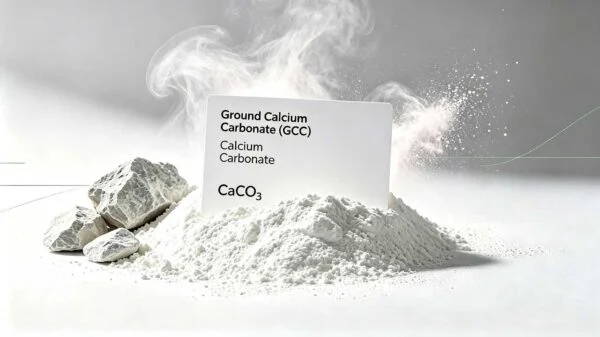
Introduction
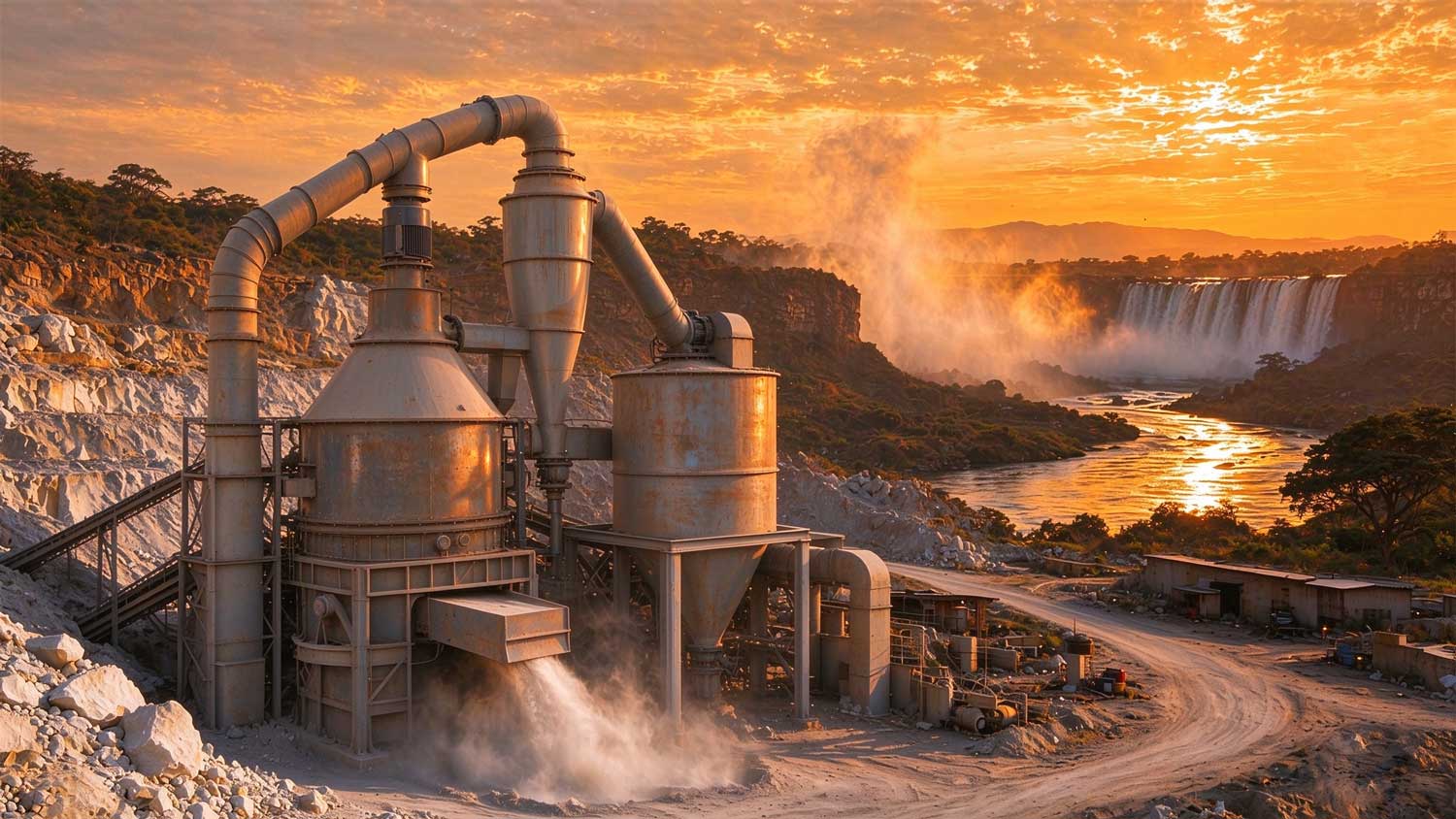
Calcium carbonate milling plants across Africa encounter a unique set of operational challenges. High ambient temperatures, unstable power grids, limited on‑site technical support, lengthy spare‑part delivery cycles and variable raw material quality make one‑size‑fits‑all mill selections risky.
If your mineral project is located in Africa, fineness and output should not be your only decision factors. Heat resistance, tolerance to power fluctuations, easy maintenance and accessible wear parts carry equal weight. This article breaks down practical grinding routes aligned with real‑world African project objectives.
1. The Unique Market Demands for GCC Grinding in Africa
Many African mineral investors approach milling projects with priorities very different from purchasers in Europe, Asia or America. Before looking at machine models, it helps to clarify what the project actually needs to survive long‑term local operation.
- Production orientation: Whether the powder serves local construction, plastic and paint factories, or is prepared for export
- Site constraints: Power source (grid or generator), workshop condition, geographic location (coastal or landlocked)
- Budget rhythm: Whether the investment is a one‑time full build, or phased expansion later
- Raw material profile: Impurity level, natural moisture and hardness of local calcite or limestone
2. Tiered Grinding Solutions for Different African Production Goals
Each of these four production lines targets a distinct market tier and production objective across African mineral zones.
Raymond Mill Production Process
The Raymond mill is the entry‑level reliable option for operators stepping into GCC powder production.
- Fineness range: 500–1250 mesh
- Advantages
- Low upfront investment and simple mechanical structure, easy for local technicians to master repair work
- Spare parts circulate widely and are easier to obtain in many African mineral trading hubs
- Lower requirements for foundations and workshops; it can run reliably under basic site infrastructure
- Good tolerance for feedstock with moderate impurities
- Limitations
- Not suitable for ultrafine powder above 1250 mesh
- Seals and consumable parts wear faster under continuous high heat and heavy dust
- Less energy‑efficient than vertical mills for large‑scale continuous production
- Best fit: New entrants, small and medium mineral plants, budget‑sensitive local supply projects
Ring Roller Mill Production Process
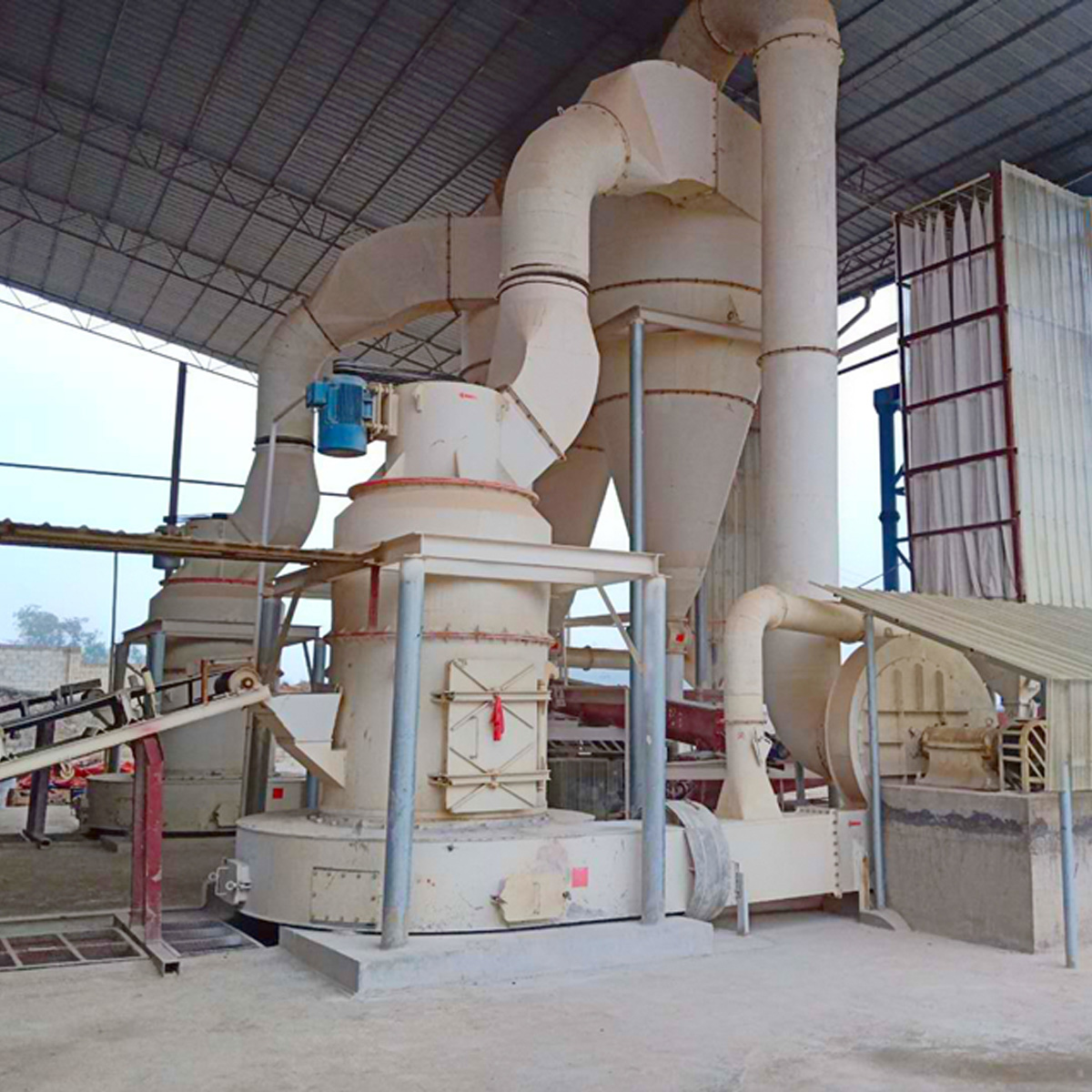
The ring roller mill fills the mid‑market gap for consistent mid‑ultrafine powder without the huge capital cost of large integrated systems.
- Fineness range: 600–2500 mesh
- Advantages
- Delivers steady output and stable powder quality for mid‑ultrafine GCC
- Optimized sealing and dustproof design, well suited for dusty African mining sites
- Tropical upgraded versions are available for hot climate operation
- Balanced running cost for medium‑volume continuous production
- Limitations
- Multiple friction points require regular lubrication inspection
- Core wear parts may face long delivery lead times for landlocked African regions
- Performance drops when raw material moisture is excessively high
- Best fit: Mid‑size factories supplying local plastic and coating manufacturers
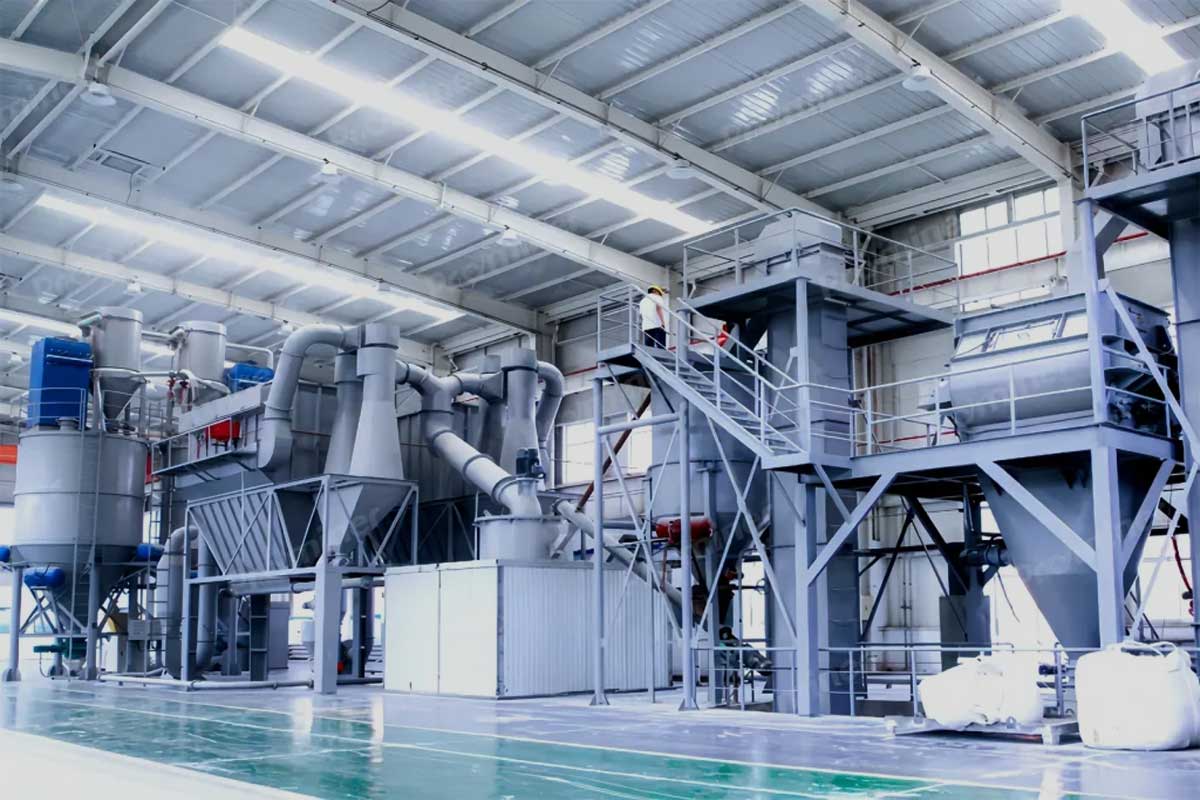
Vertical Mill Production Process
The vertical mill is an all‑in‑one solution built for continuous medium‑to‑large production with damp ore.
- Fineness range: 600–3000 mesh
- Advantages
- Built‑in drying function effectively handles wet raw limestone and calcite
- Compact layout with fewer transfer pipelines, lowering dust leakage risks
- Lower unit energy consumption for large continuous batches
- Centralized lubrication reduces frequent manual adjustments
- Limitations
- Higher initial purchase and installation investment
- Main gearbox and roller assemblies demand professional maintenance skills
- Precision components have longer shipping cycles to landlocked African countries
- Best fit: Medium‑large mines with damp raw material and relatively stable power
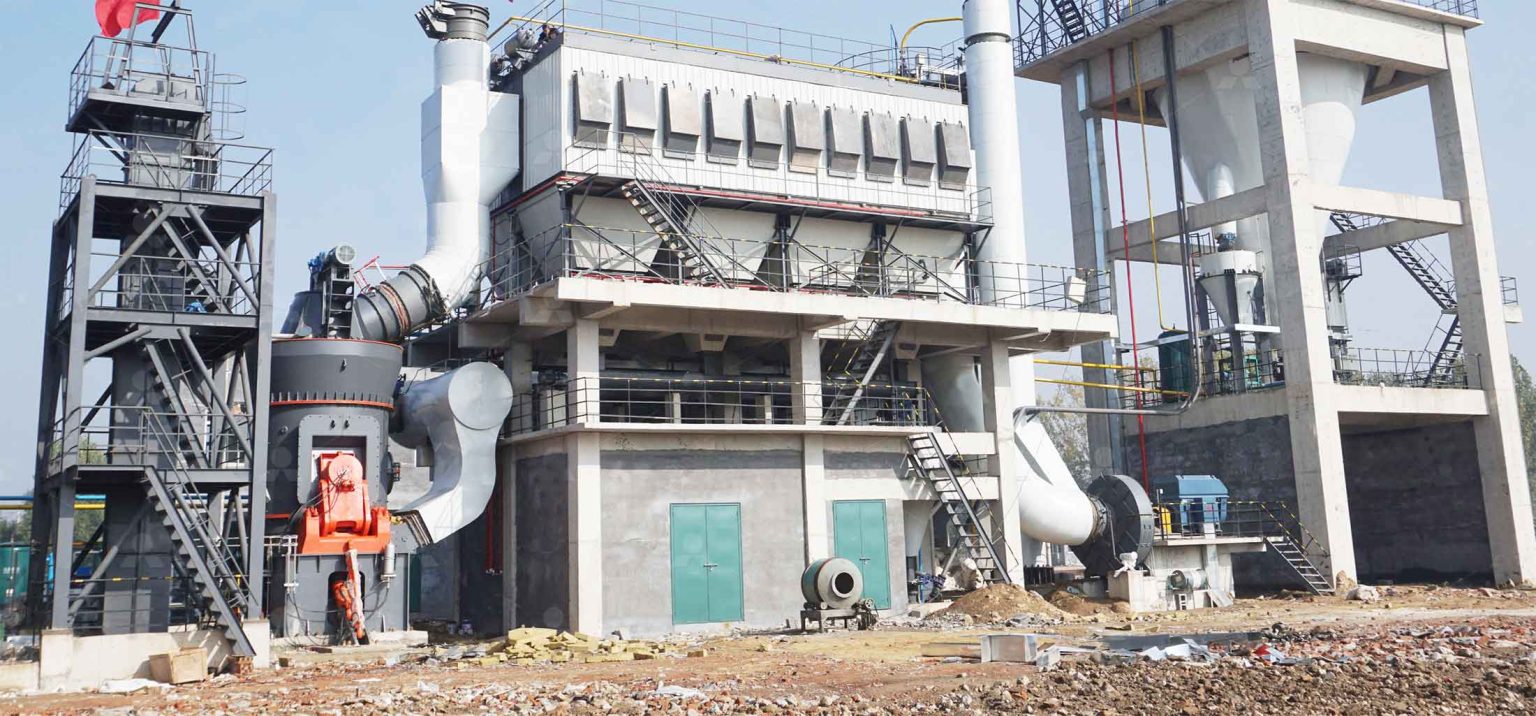
Ball Mill + Air Classifier Production Process
This modular system serves high‑end export‑oriented producers pursuing the widest fineness range.
- Fineness range: 325–3000 mesh
- Advantages
- Supports ultra‑fine grades for coatings, plastics and other high‑value applications
- Modular construction allows flexible capacity expansion as the business grows
- Strong adaptability to many different grades of calcium carbonate feedstock
- Limitations
- Large footprint and high total power demand, not ideal for sites relying purely on generators
- Long pipe networks create extra heat dissipation and dust accumulation challenges
- Highest overall investment and requires experienced operators
- Best fit: Coastal export‑focused factories with stable grid supply
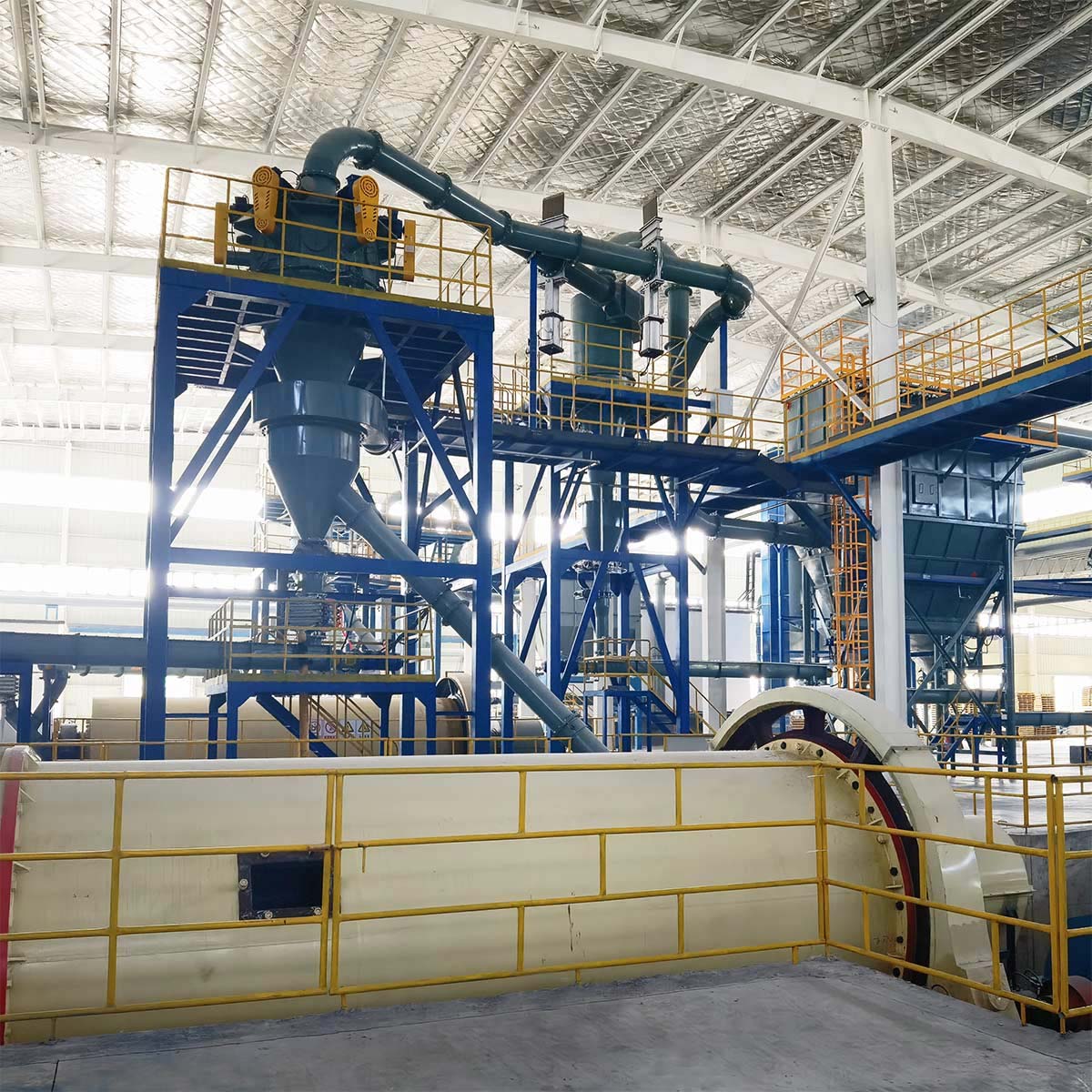
3. Trade‑Offs: What You Need to Sacrifice When Selecting a Grinding Line
There is no perfect grinding line for every African mine. Every selection comes with compromises, and ignoring these trade‑offs is the main cause of project delays or financial loss.
If you choose low upfront cost, you usually accept faster wear of consumables and limited powder fineness. If you chase the highest powder grade and large output, you must prepare sufficient stable power, bigger budgets and longer spare‑part lead times.
Common hidden compromises to consider:
- Generator‑driven sites: High‑power integrated lines can run, but you will bear extra generator investment and fuel cost
- Landlocked sites: Even reliable machines will face downtime risks without pre‑stocked wear parts
- Hot mining zones: Standard versions cut costs, but heat‑resistant upgrades extend service life
| Production Process | Typical Fineness | Core Compromise |
|---|---|---|
| Raymond Mill Production Process | 400–1250 mesh | Low investment, limited to medium‑coarse powder |
| Ring Roller Mill Production Process | 1250–3000 mesh | Balanced quality, needs regular lubrication inspection |
| Vertical Mill Production Process | 400–3000 mesh | Good for wet ore, higher requirement for skilled technicians |
| Ball Mill + Air Classifier Production Process | 800–5000 mesh | Widest fineness range, heavy power and capital demand |
4. Customisable Support Packages to Reduce African Project Risks
To reduce the uncertainty unique to African mineral projects, we provide configurable support packages rather than only delivering bare machines.
- Tropical adaptation package: Heat‑resistant motors, high‑temperature seals and reinforced dust collection
- Pre‑packed spare part inventory: Bulk wear parts shipped together with the main unit for remote mines
- On‑site training: Guidance for local operators on routine inspection and simple troubleshooting
- Auxiliary matching design: Generator layout, feeding and dust removal system planning
5. Roadmap to Launch Your Calcium Carbonate Milling Project
We follow a phased workflow to help purchasers move from initial idea to stable production.
First, we collect your core project information: local power type, raw material condition, target powder grade, production volume and location. Then our engineering team sorts out 2–3 feasible technical routes, marks the pros, cost differences and risk points of each option, and provides drawings and quotation.
After you confirm the route, we arrange production, pre‑shipment testing, container loading and technical documentation. When the equipment arrives, our technicians coordinate remote guidance or dispatch engineers for installation and commissioning.
If you are preparing to build a GCC grinding facility in Africa, share your project details with us. We will start your custom project assessment.