Introduction
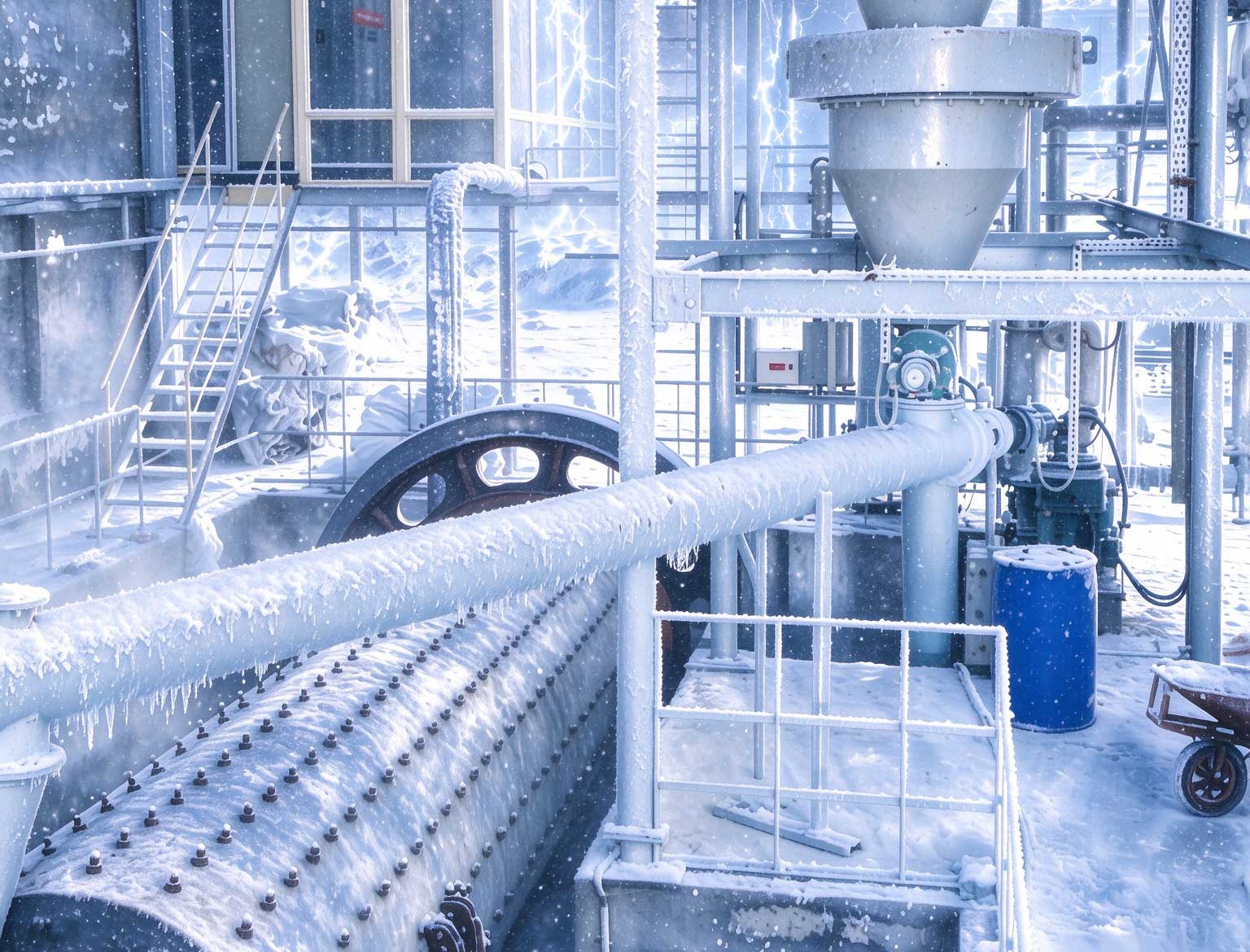
Calcium carbonate milling plants in high‑latitude, mountain or unheated workshops face distinct cold‑weather troubles. Even mills stable at room temperature can suffer frozen lubrication lines, brittle seals, pipeline condensation, powder caking, clogged dust bags and failed cold starts. These faults reduce uptime, wear spare parts faster and mess up particle size consistency.
If your site runs through freezing winters or uses outdoor setup, do not pick a mill by mesh and capacity alone. Cold‑start safety, low‑temperature lubrication, anti‑condensation design and freeze‑proof auxiliaries deserve top priority. This guide covers suitable grinding equipment for calcium carbonate in cold environments, compares pros and cons, and delivers practical selection advice for purchasers.
1. Key Selection Criteria for Calcium Carbonate Milling in Cold Regions
Before reviewing individual mill models, it helps to establish consistent evaluation standards. Every candidate machine should be assessed against these critical points for cold‑site operation.
- Cold start reliability: Whether the unit supports safe startup at low ambient temperatures and whether preheating interfaces or interlock controls can be integrated.
- Low‑temperature lubrication adaptability: Whether gearboxes and bearing assemblies are compatible with specialised cold‑rated grease and whether oil lines are prone to blockage.
- Sealing toughness at low temperatures: Resistance to cracking and hardening for shaft seals, gaskets and connection seals under repeated thermal cycling.
- Anti‑caking and material flow: How well the machine handles slightly moist calcium carbonate feedstock without bridging, sticking or agglomeration inside hoppers and chambers.
- Condensation and frost control: The likelihood of dew forming inside grinding cavities, conveying ducts and collection chambers, which ruins fine powder quality.
- Auxiliary system compatibility: Ease of adding trace heating, thermal insulation, air drying and freeze protection to matched dust collection and feeding hardware.
- Maintainability in cold weather: Accessibility for inspection, part replacement and routine service under harsh on‑site temperature conditions.
2. Suitable Calcium Carbonate Mills for Low‑Temperature Environments
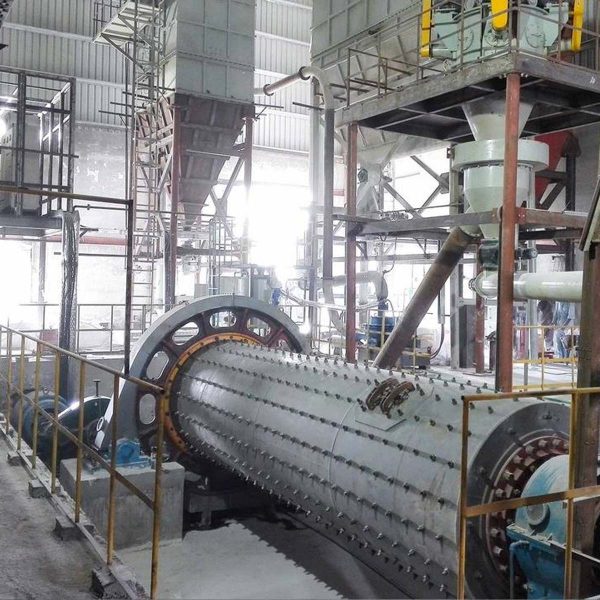
Ball Mill + Air Classifier Production Process
- Fineness range: 800–5000 mesh
- Advantages: Segmented design enables separate insulation and heating for mill cylinder, classifier and transfer ducts; stable tonnage‑level production; strong adaptability for different raw materials.
- Limitations: Long pipe networks have countless condensation and icing points; preheating cycle is lengthy; full cold‑climate engineering investment is high; higher floor space requirement.
- Best fit: Large calcium carbonate industrial bases with permanent workshop heating and sufficient capital budget.
Vertical Mill Production Process
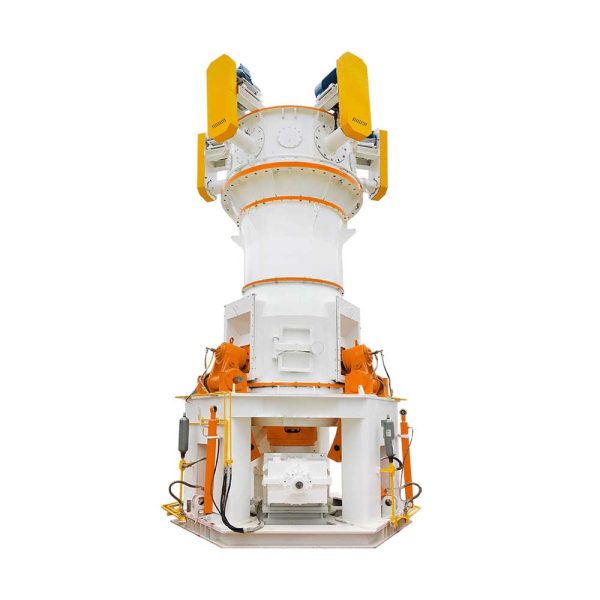
- Fineness range: 400–3000 mesh
- Advantages: Compact piping layout reduces condensation risks; built‑in drying function helps handle damp raw ore; fewer transfer points, easier overall insulation; low energy consumption.
- Limitations: Main gearbox and roller bearing assemblies have high requirements for low‑temperature lubrication; roller wear parts are costly; sensitive to large, hard impurities.
- Best fit: Medium to large continuous production lines, sites with relatively moist raw materials.
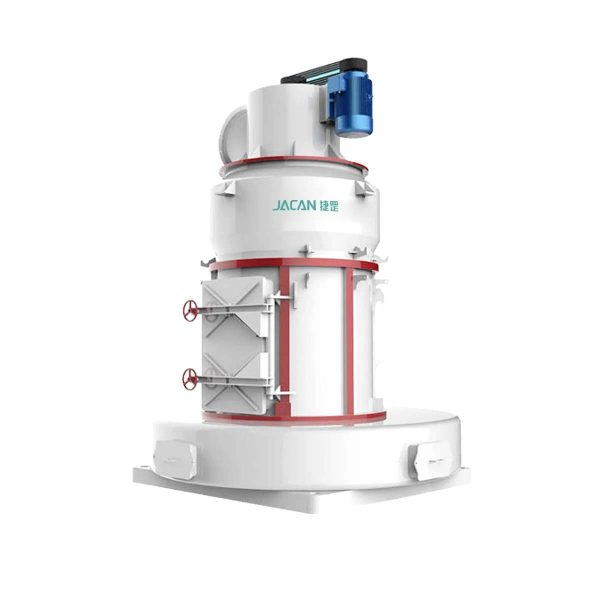
Ring Roller Mill Production Process
- Fineness range: 1250–3000 mesh
- Advantages: Standardised winter lubrication, heating and insulation packages; mature spare‑part supply and local support; stable output for mid‑ultrafine powder.
- Limitations: Multiple friction points require frequent lubrication checks; material compaction and caking may happen during long shutdowns.
- Best fit: Bulk mid‑ultrafine GCC, high‑output cold mountain and northern mining sites.
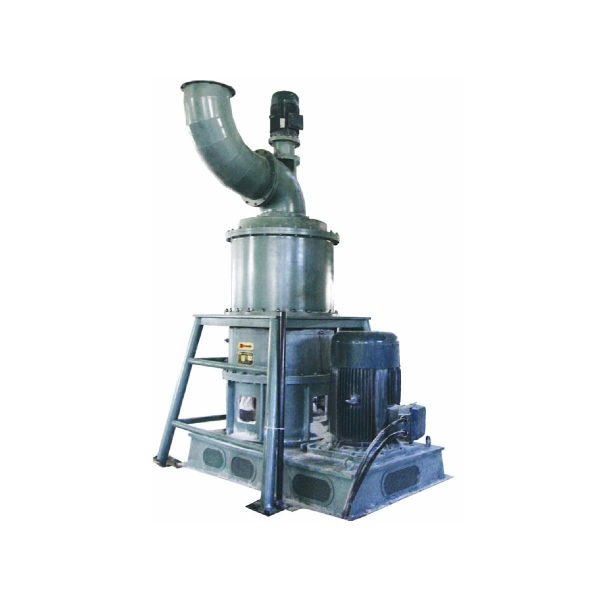
Raymond Mill Production Process
- Fineness range: 400–1250 mesh
- Advantages: Low insulation and anti‑freeze modification cost; affordable, globally accessible replacement parts; forgiving for simple site infrastructure.
- Limitations: Standard seals tend to turn brittle under sustained freezing conditions; lubrication manifolds are prone to clogging; not suitable for ultrafine grades; damp powder cakes easily when idle.
- Best fit: Coarse and medium GCC, cost‑conscious traditional mineral plants; select upgraded sealed versions for cold climates.
3. Quick Comparison Table
| Production Process | Typical Fineness | Low‑Temperature Adaptability Rating | Best Fit |
|---|---|---|---|
| Ball Mill + Air Classifier Production Process | 800–5000 mesh | Medium | Large industrial calcium carbonate bases with heated workshops |
| Vertical Mill Production Process | 400–3000 mesh | Medium‑High | Medium & large lines, raw materials with higher moisture |
| Ring Roller Mill Production Process | 1250–3000 mesh | High | Bulk mid‑ultrafine GCC, cold northern & mountain mines |
| Raymond Mill Production Process | 400–1250 mesh | Medium | Coarse & medium powder, budget‑sensitive projects |
4. Common Mistakes Purchasers Make in Cold Climate Milling
Many cold‑site grinding failures originate from planning errors rather than defective mill hardware. The most frequent pitfalls are listed below.
- Choosing equipment based only on room‑temperature parameters and adding heating and insulation as an afterthought, which drives up modification cost and compromises structural integrity.
- Using standard rubber seals and general‑purpose grease that harden, crack or solidify under sustained freezing conditions.
- Operating the whole system in an uninsulated facility with frequent stop‑start cycles. Repeated thermal shock creates condensation and calcium carbonate caking.
- Overlooking small but critical components such as discharge valves and butterfly valves. Frozen valve bodies can halt the entire production line.
- Ignoring pipeline slope and drainage design, which leads to accumulated water and freezing inside conveying ducts.
5. FAQ
- Which calcium carbonate mill performs best in cold climate?
The ring roller mill process delivers the most stable performance for mid‑ultrafine GCC in cold zones. Vertical mill is preferred if your raw material carries high moisture. Ball mill plus classifier suits super‑large projects, while Raymond mill is ideal for cost‑focused coarse and medium powder.
- Can vertical mills run stably at low temperatures?
Yes. It needs dedicated low‑temperature lubrication for gearboxes and roller assemblies, together with insulation on main air ducts and material chutes.
- What extra systems are required for a GCC milling line in freezing environments?
Trace heating, thermal insulation, low‑temperature lubrication packages, dew point monitoring and winterized dust collectors are essential. Long conveying pipelines also need drain points and anti‑freeze valves.
- Is Raymond Mill suitable for outdoor installation in cold regions?
Outdoor installation is feasible only with comprehensive custom insulation, sealed housing and low-temperature lubrication upgrades. It is generally recommended to house Raymond mills inside at least partially enclosed structures in freezing zones.
6. Final Recommendations
For any calcium carbonate milling facility located in low‑temperature zones, your priority order should be cold‑start safety, reliable lubrication, anti‑condensation engineering and freeze‑proof auxiliary design. Fineness target and production capacity come after these foundational climate requirements.
Match the process to your target mesh, raw material moisture, site temperature and available workshop conditions. If your plant faces extreme winters or outdoor deployment, budget for dedicated cold‑resistant configurations from the beginning, instead of retrofitting later.
7. Conclusion & Next Step
Every mining site has unique minimum ambient temperature, feed moisture, workshop conditions and output goals. We can customise a full grinding and freeze‑protection layout matched to your calcium carbonate project. Tell us your local lowest temperature, raw material condition, target mesh and required hourly capacity, and our engineering team will provide a tailored solution.
If you would like to proceed, share your site parameters with us. We will prepare quotation, layout drawings and cold‑climate configuration suggestions for your review.