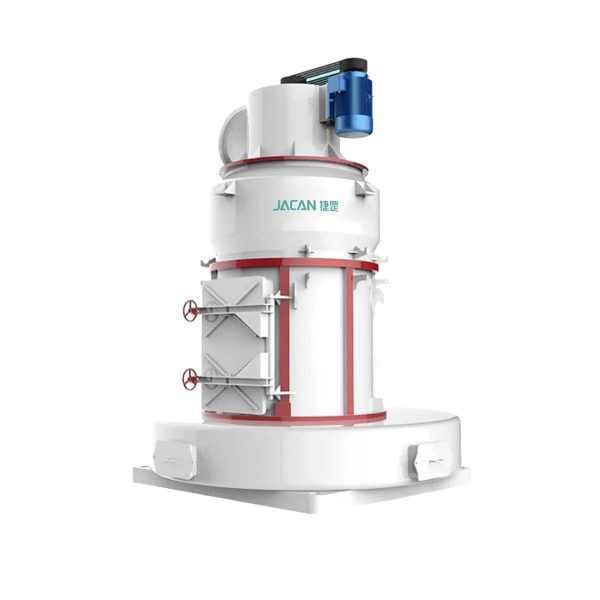
Vertical Mill And Air Classifier Production Process
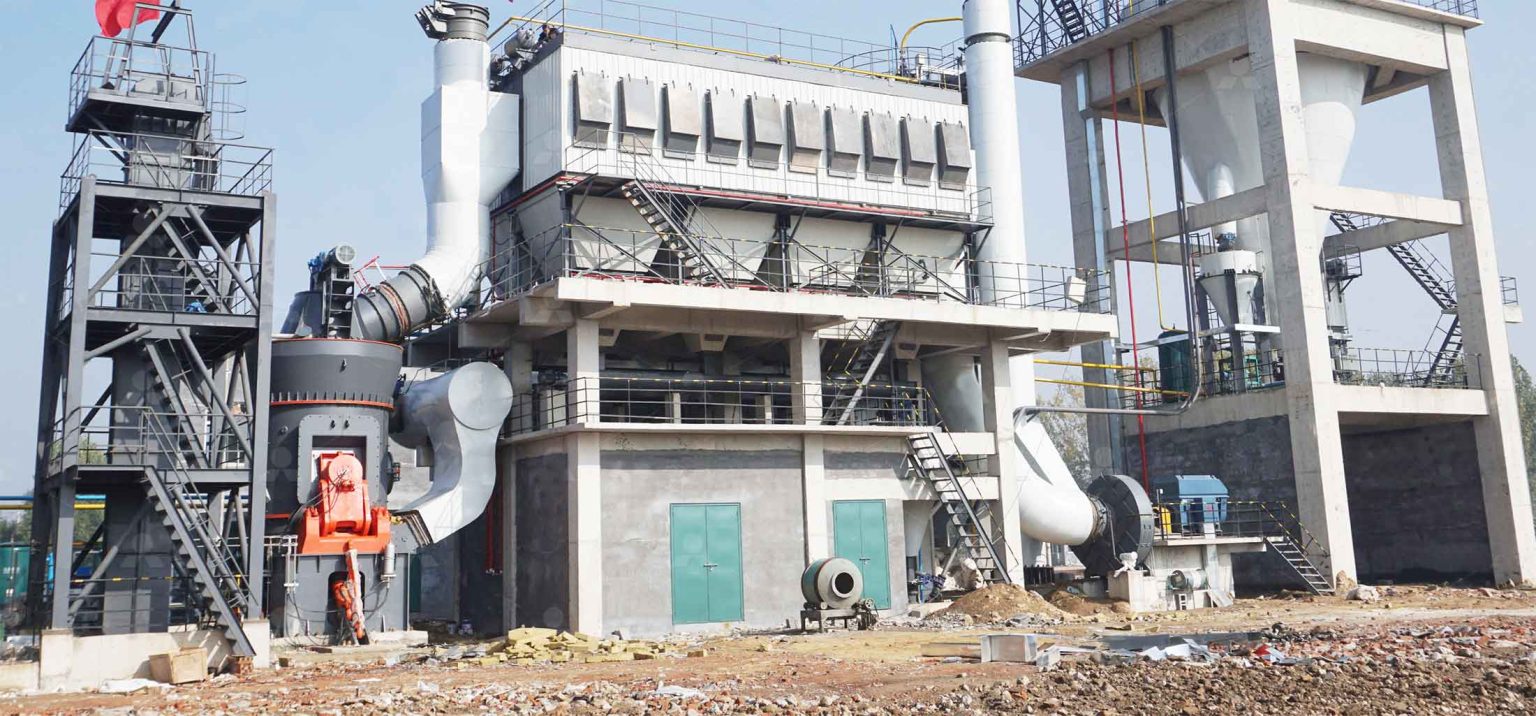
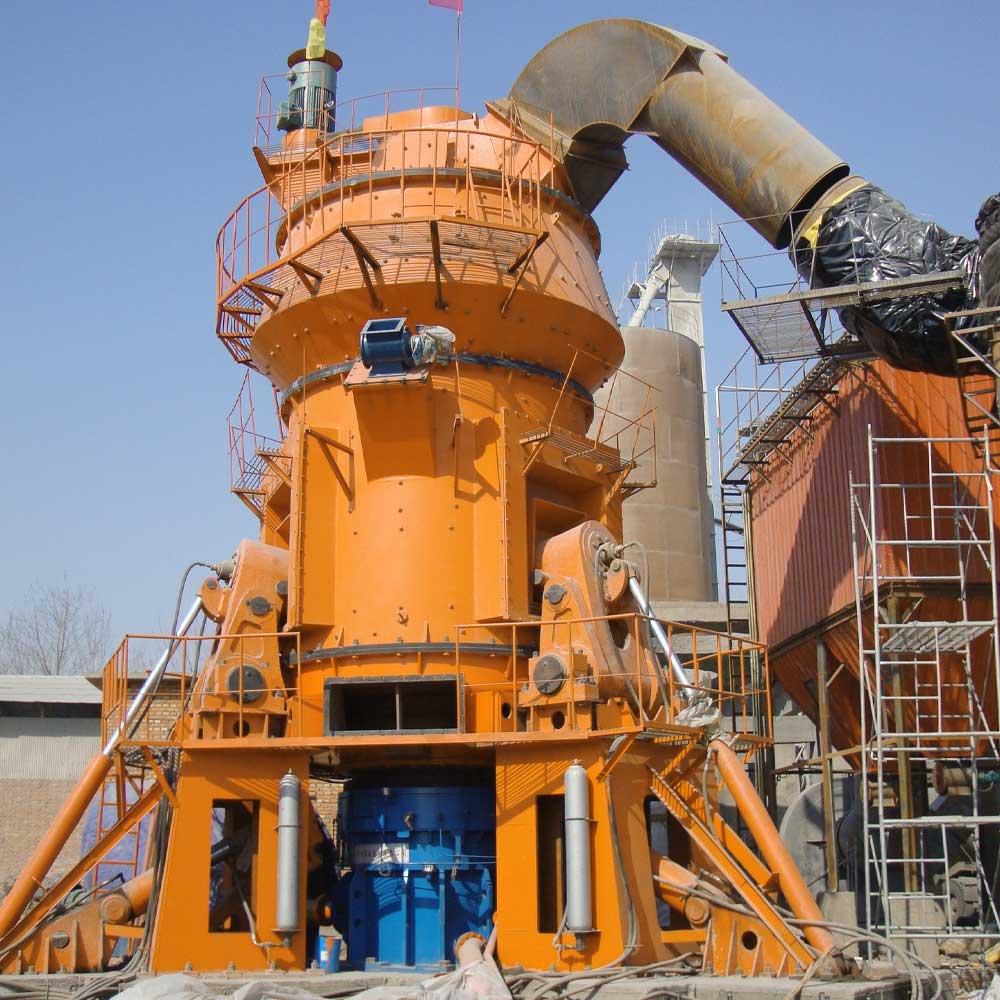
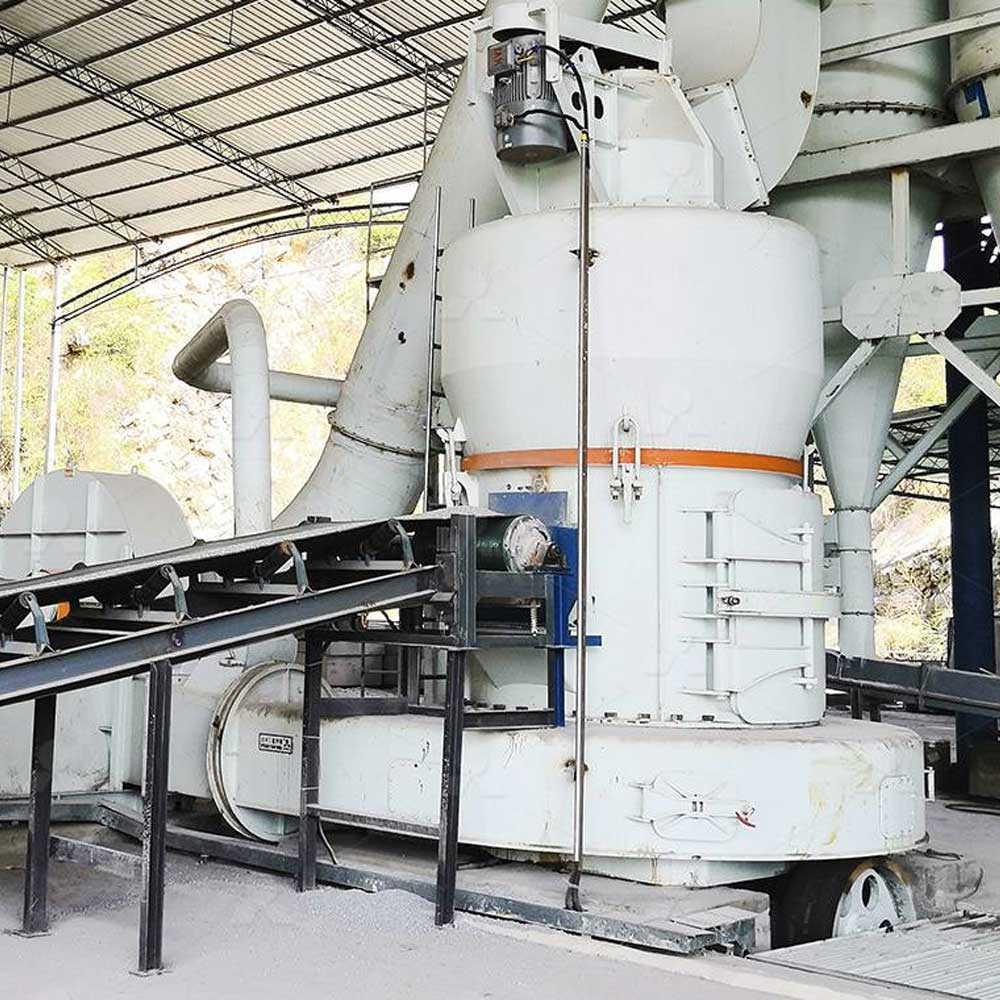
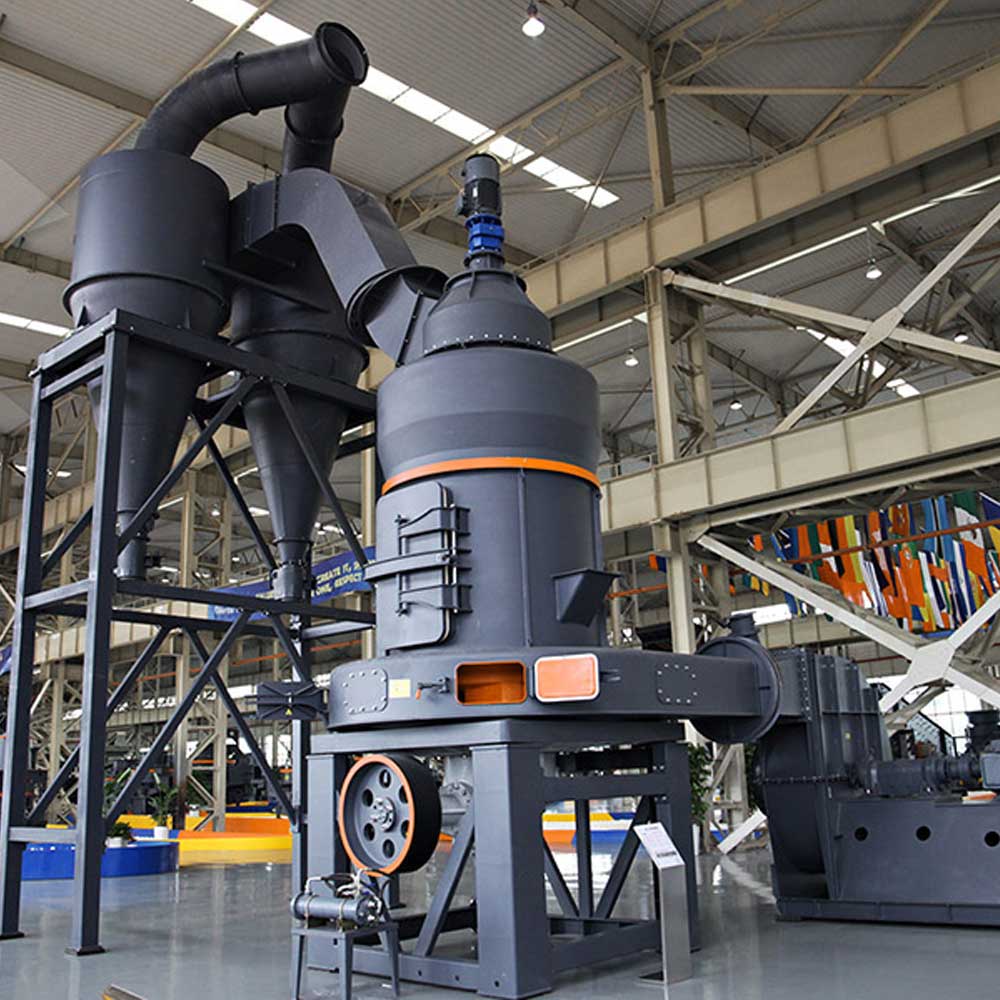
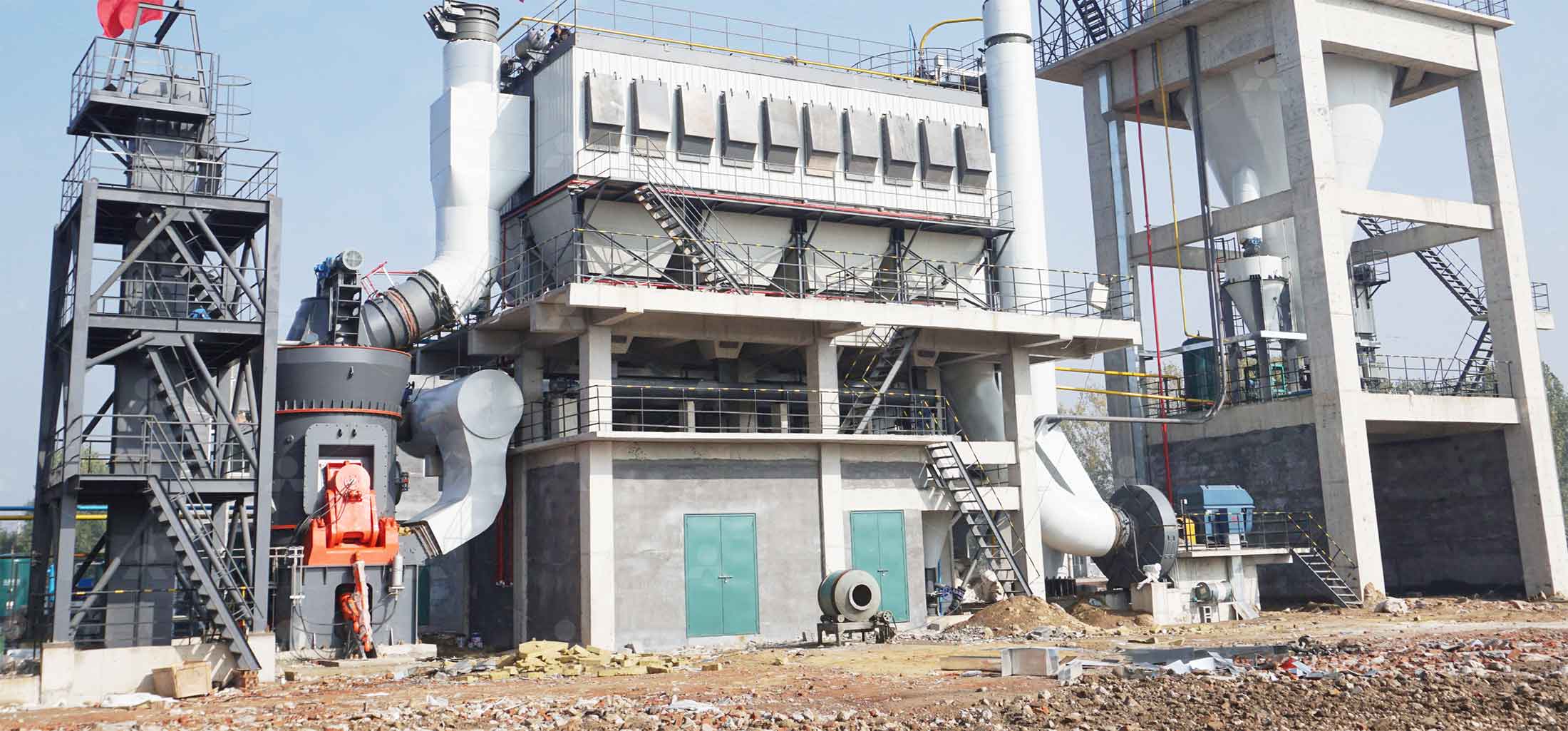
How it works
Performance and features
Strong Adaptability and Adjustable Fineness
The layer extrusion grinding structure of the vertical mill is highly compatible with the physical properties of calcium carbonate. The conventional processing fineness can reach 1250 mesh, and with multi-stage classification processes, the maximum fineness of the finished product can be increased to 3000 mesh, meeting the needs of different application scenarios.
Excellent Finished Product Quality and Low Oil Absorption Value
Calcium carbonate powder processed by the vertical mill has a uniform particle size distribution and its oil absorption value is much lower than that of products processed by traditional equipment. It can effectively improve the processing performance and finished product quality of downstream rubber, plastic and coating products, and reduce production costs.
Large-scale Processing with Controllable Costs
The vertical mill is suitable for large-volume continuous production. The processing energy consumption and labor cost per unit of powder are lower, and the advantages of large-scale production are significant, which can bring stable production capacity output and considerable economic benefits to enterprises.
High Integration and Compact Process
The vertical mill integrates grinding and classification functions, eliminating the need for additional independent classification equipment. The process flow is simpler, the equipment covers a small area, and it can reduce the difficulty of plant layout and initial infrastructure investment.
Relatively High Operation and Maintenance Costs
The equipment generates high noise during operation. Core components such as grinding rollers and grinding discs require regular inspection, repair and replacement, leading to relatively high long-term maintenance costs. Meanwhile, the initial construction investment of the complete set of equipment is large, which puts forward higher requirements for enterprise capital.
Technical Parameters
| Model | 600 | 880 | 1000 | 1100 | 1300 | 1500 | 1700 | 1800 | 2000 | 2400 | 2600 | 2800 |
|---|---|---|---|---|---|---|---|---|---|---|---|---|
| Nominal diameter of grinding disc (mm) | 600 | 880 | 1000 | 1100 | 1300 | 1500 | 1700 | 1800 | 2000 | 2400 | 2600 | 2800 |
| Particle size of feed material (mm) | <10 | <10 | <10 | <10 | <10 | <10 | <10 | <10 | <10 | <10 | <10 | <10 |
| Moisture content of feed material (%) | ≤5 | ≤5 | ≤5 | ≤5 | ≤5 | ≤5 | ≤5 | ≤5 | ≤5 | ≤5 | ≤5 | ≤5 |
| Fineness of finished product | 5-22μm | 5-22μm | 5-22μm | 5-22μm | 5-22μm | 5-22μm | 5-22μm | 5-22μm | 5-22μm | 5-22μm | 5-22μm | 5-22μm |
| Output (t/h) | 1-6 | 2-8 | 3-12 | 4-14 | 5-16 | 7-18 | 8-20 | 9-22 | 10-25 | 20-40 | 25-45 | 30-50 |
| Main motor power (kW) | 55 | 160 | 200 | 250 | 280 | 355 | 400 | 450 | 560 | 800 | 1400 | 1800 |
Related Machines & equipment
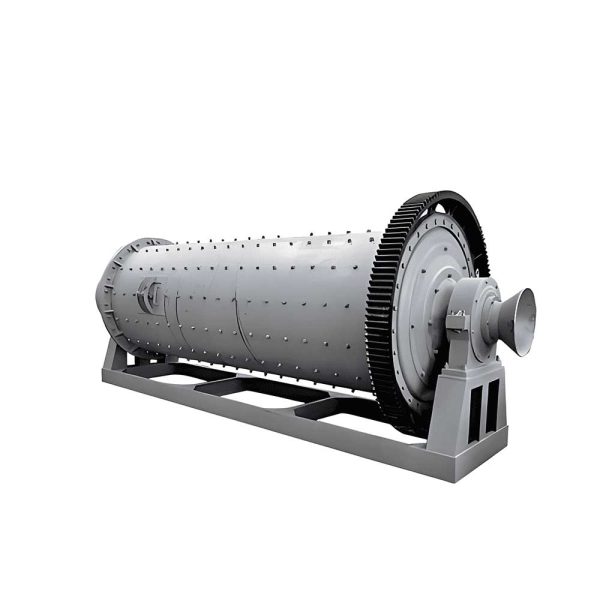
Ball Mill And Air Classifier Production Process
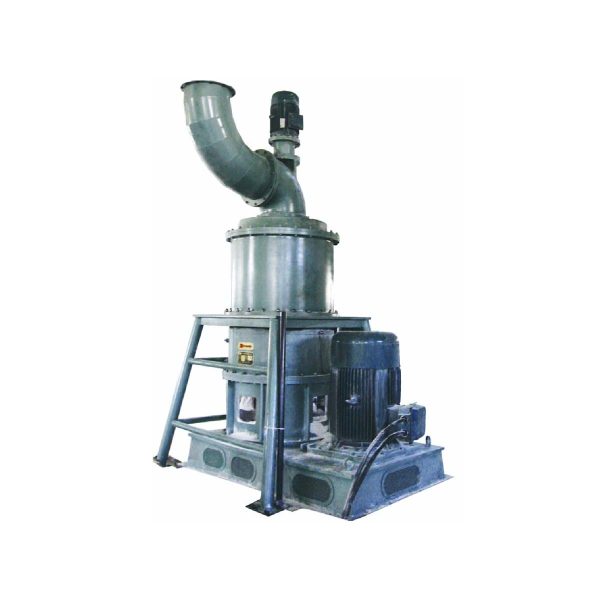
Ring Roller Mill And Air Classifier Production Process