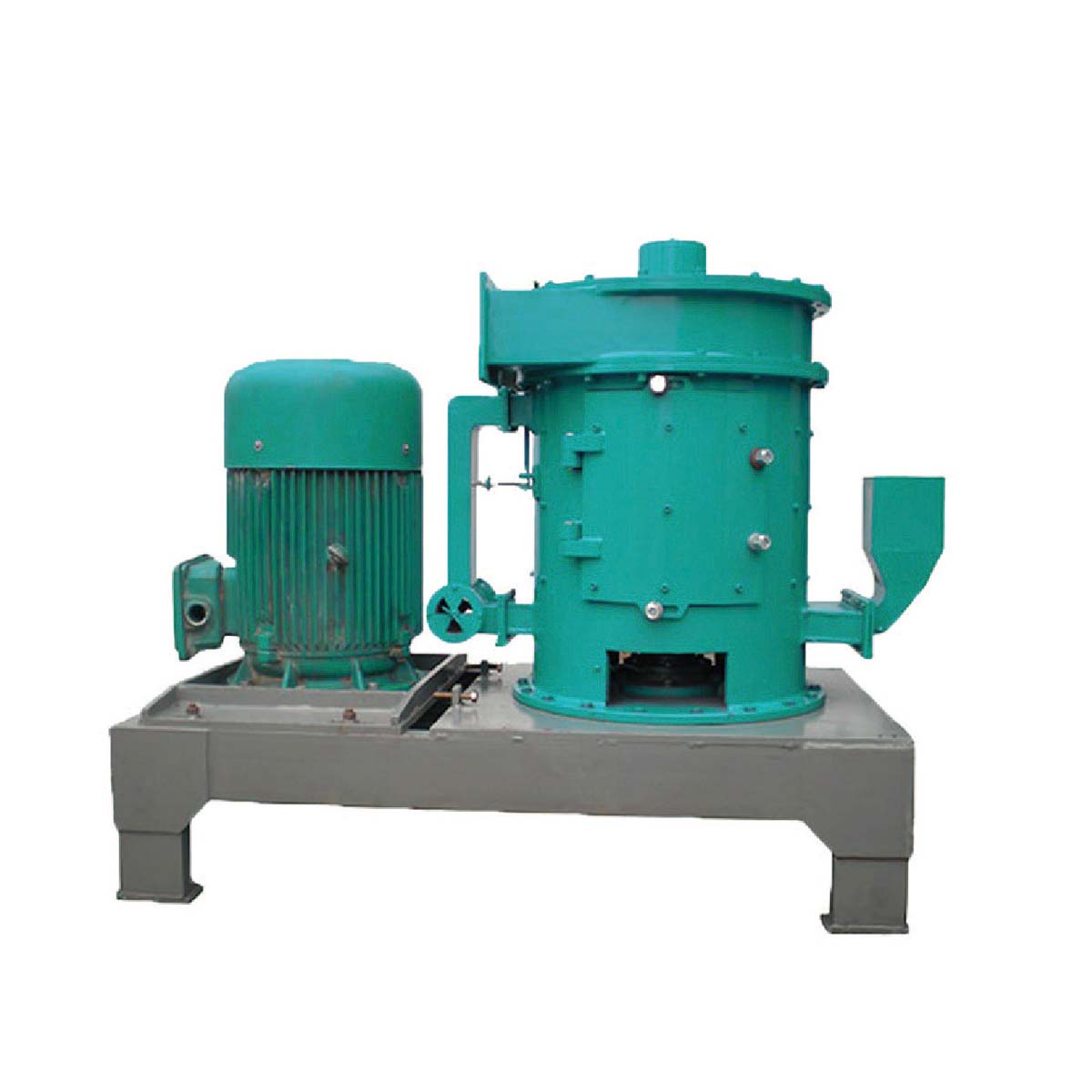
Turbo Mill Modification Process

Strong vortex dissociates agglomerated particles and achieves powder modification synchronously

How it works

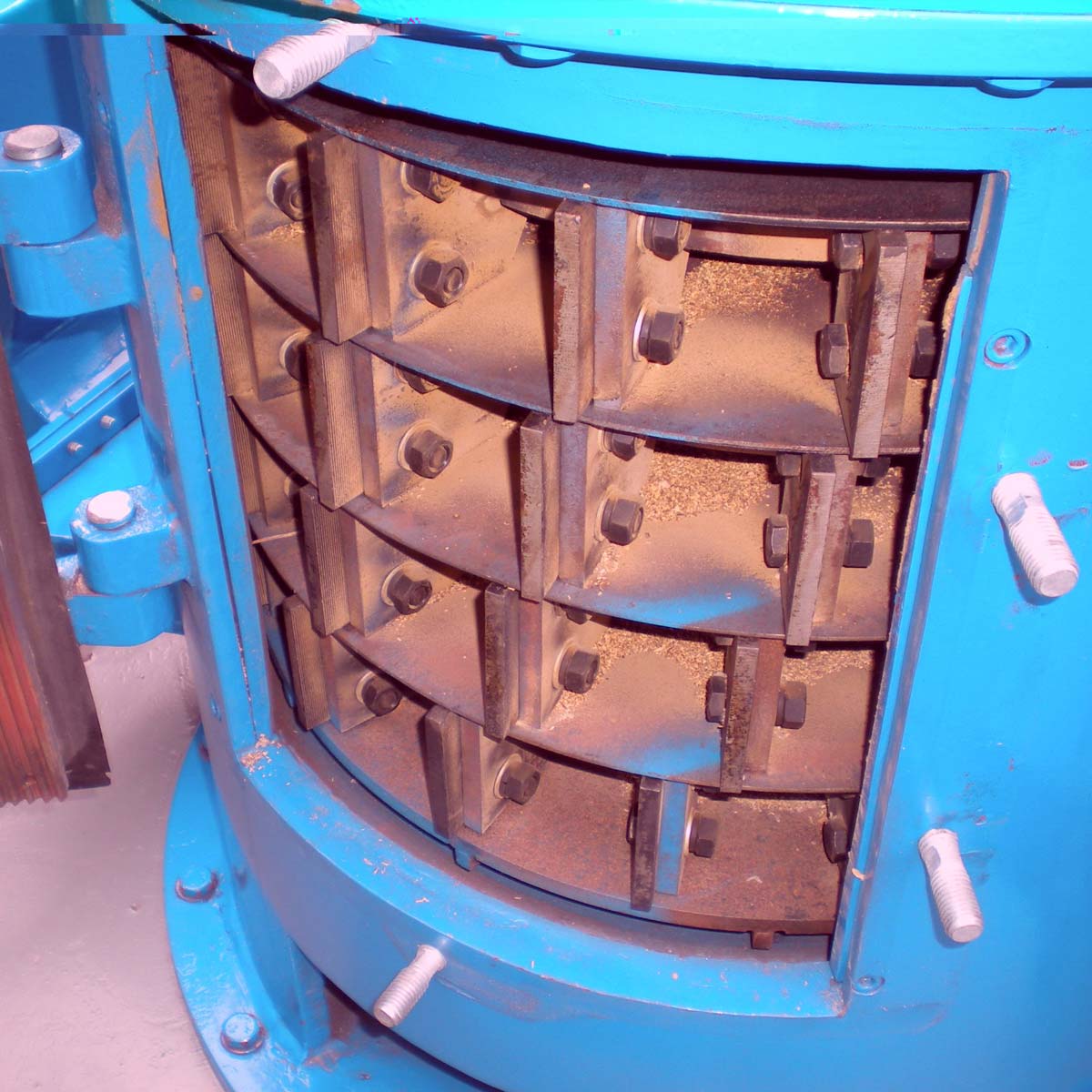
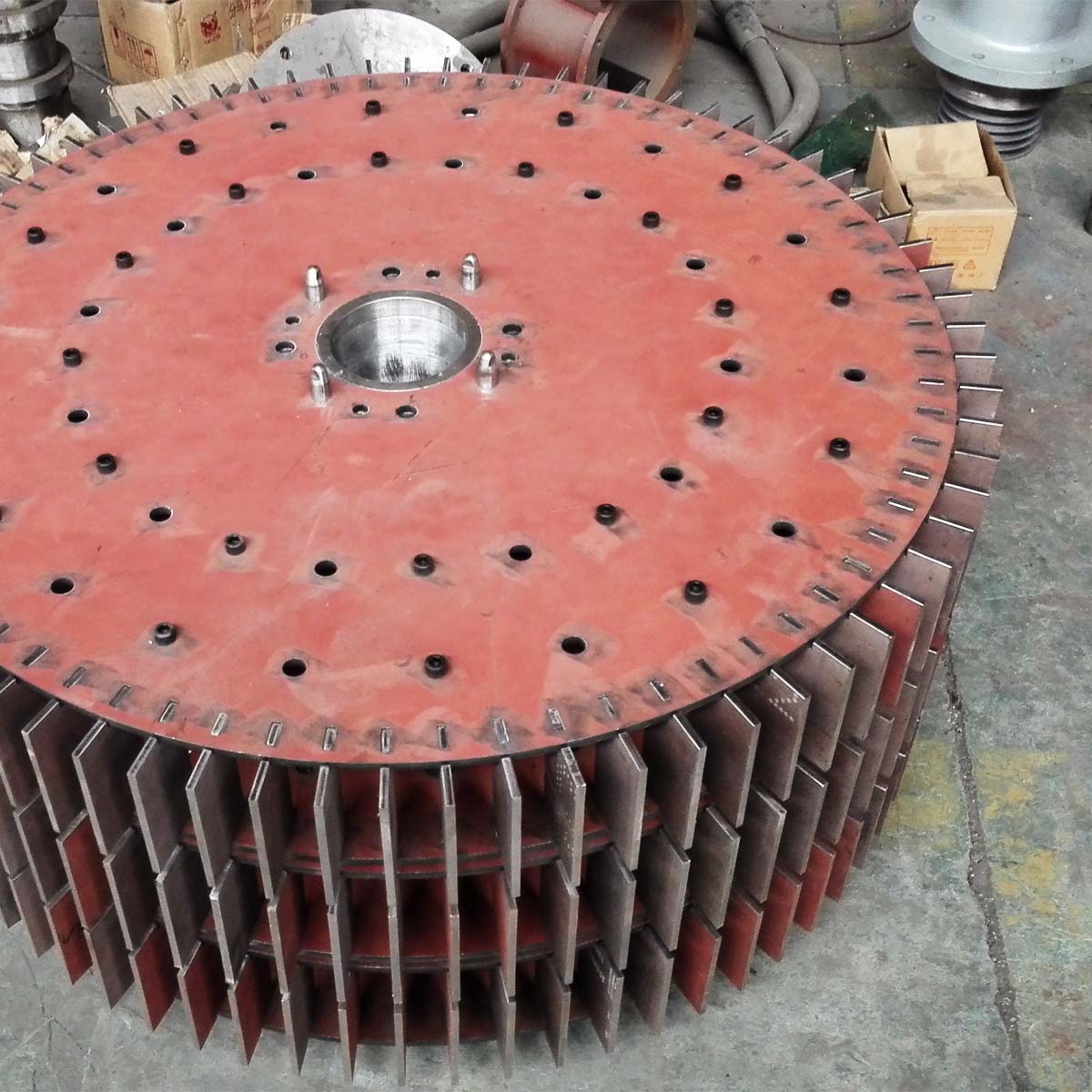
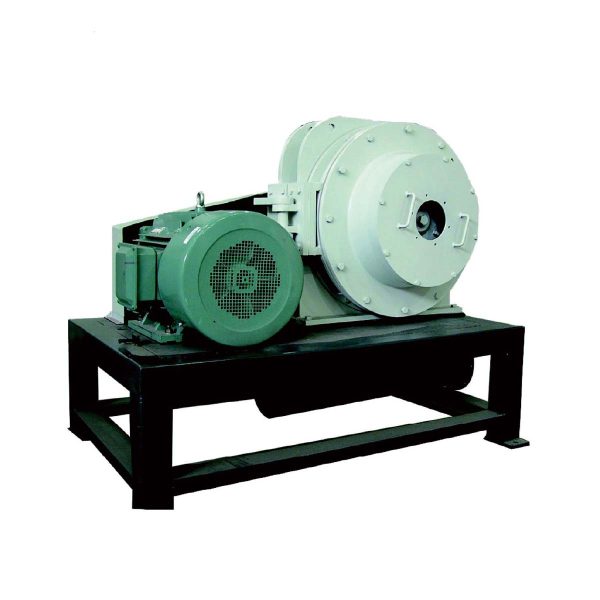
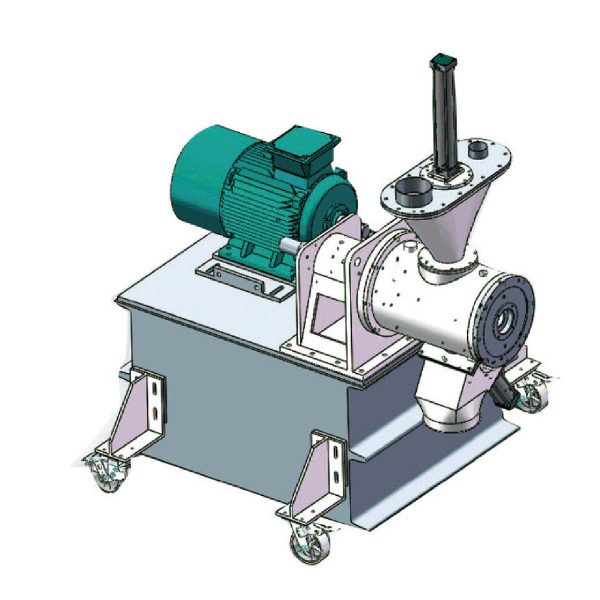
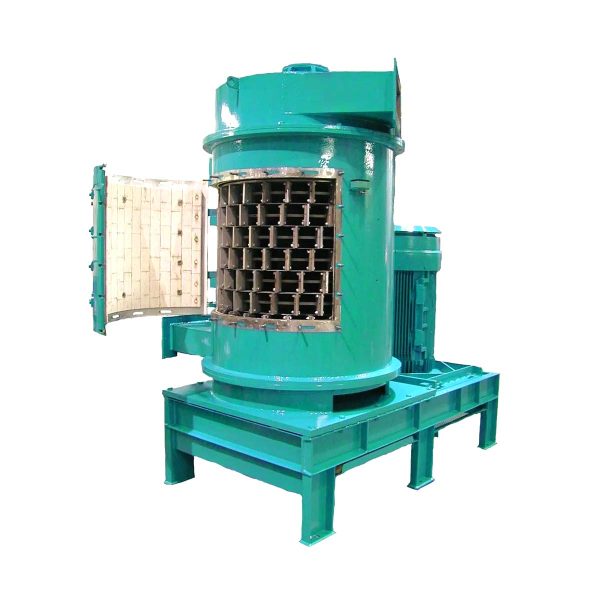
When the equipment operates at high speed, it will strongly drive the airflow inside the chamber to form a powerful air flow field, accurately guiding and retaining the originally agglomerated and adhered calcium carbonate powder particles in the specially designed grooved stator structure inside the equipment. The air pressure and wind speed of the airflow are coupled and synergistically act to form a high-intensity dynamic vortex, thereby generating continuous and stable shearing force, friction force and centrifugal force. This can quickly and thoroughly break up and efficiently dissociate the densely agglomerated calcium carbonate particles, perfectly restoring them to monodisperse calcium carbonate particles with original particle size specifications or natural crystal forms, and simultaneously completing the surface coating modification treatment of calcium carbonate particles.

Performance and features

Integrated Particle Dispersion and Modification

Integrates particle dispersion and surface modification functions, eliminating the need for additional processes, improving operational efficiency, and significantly reducing running costs.

Superior Wear-Resistant Design for Calcium Carbonate

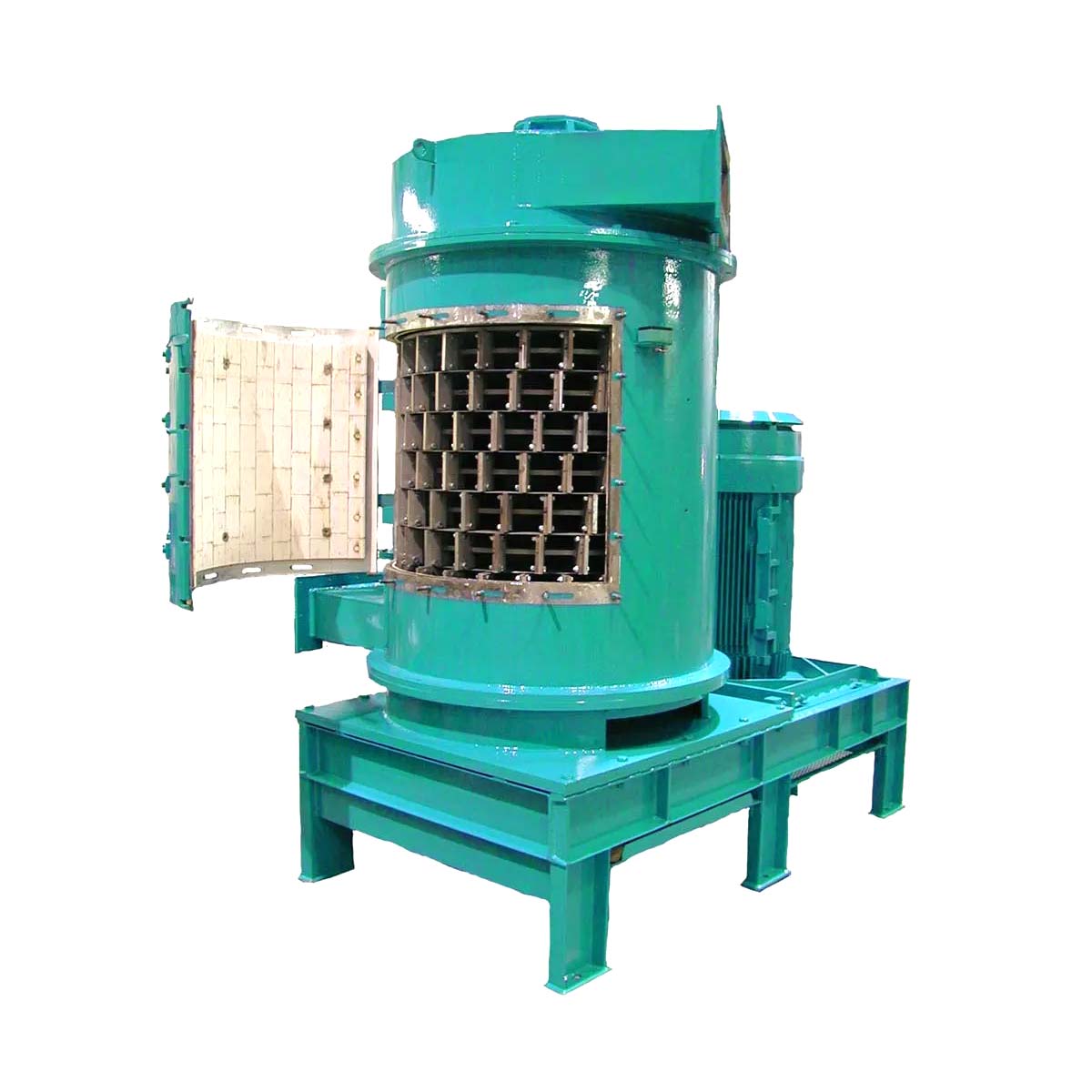
Key chamber components are made of wear-resistant materials, adapted to the high-abrasion characteristics of calcium carbonate powder, and avoiding frequent maintenance that affects continuous production.

Highly Flexible Accessory Compatibility

Stator grooves and wear-resistant liners support disassembly and replacement. Accessory specifications can be adjusted according to the crystal form of calcium carbonate to meet diverse modification requirements.

Classified Processing Ensures Product Quality

Optional built-in classification structure allows coarse calcium carbonate particles to be recycled and dispersed inside the machine, ensuring consistent product monodispersity and particle size uniformity.

Airflow Circulation Delivers Significant Energy Savings

Relying on the built-in high-intensity vortex airflow, powder dispersion and impurity removal are achieved simultaneously during the dispersion and modification process, eliminating the need for additional air supply and saving 30%-50% energy compared with traditional processes.

Adapted to Diverse Calcium Carbonate Requirements

Compatible with various types of calcium carbonate powder including precipitated calcium carbonate (PCC) and ground calcium carbonate (GCC), supports the application of different modifier formulas, and meets the material standards of multiple downstream industries.

Technical Parameters

Parameters / Model 406080100120150
Rotor diameter (mm)39054073095011501450
Rotor speed (r/min)420030752100180014901250
Particle size (μm)10~40010~40010~40010~40010~40010~400
Air volume(max) (m³/min)3000450060007500900012000
Output (kg/h)30~80080~2000100~3000200~4500300~6000500~10000
Power (kW)30~3745~5575~9090~110110~160160~250
Net weight (kg)600160030004500700012000

Related Machines & equipment

Cyclone Mill Modification Process
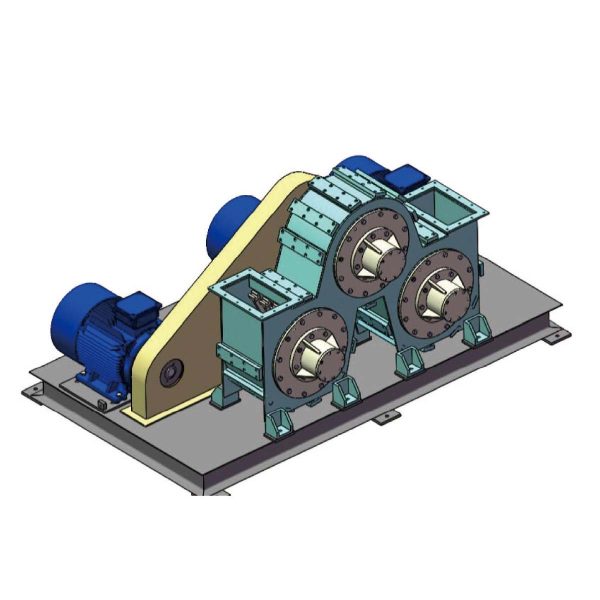
This calcium carbonate modification process using a cyclone mill boasts prominent advantages. Its strong airflow cyclone effect ensures full contact between modifiers and calcium carbonate particles, enabling efficient and uniform dispersion and coating. Equipped with an adjustable classification structure, it has a wide particle size adaptability range. Combined with variable frequency temperature control design, it guarantees stable product quality. The automatic feeding system reduces costs and improves efficiency. The flexible process is compatible with upstream and downstream procedures, integrating multiple functions for energy conservation and easy maintenance.

Three-roller Mill Modification Process
The three-roll mill calcium carbonate modification process relies on the relative motion of three rotors. By regulating the action mode of cyclones and eddies inside the equipment, it achieves surface coating modification of calcium carbonate particles synchronously during the powder dispersion process. This process is compatible with mainstream calcium carbonate types such as precipitated calcium carbonate (PCC) and ground calcium...

Pin Mill Modification Process

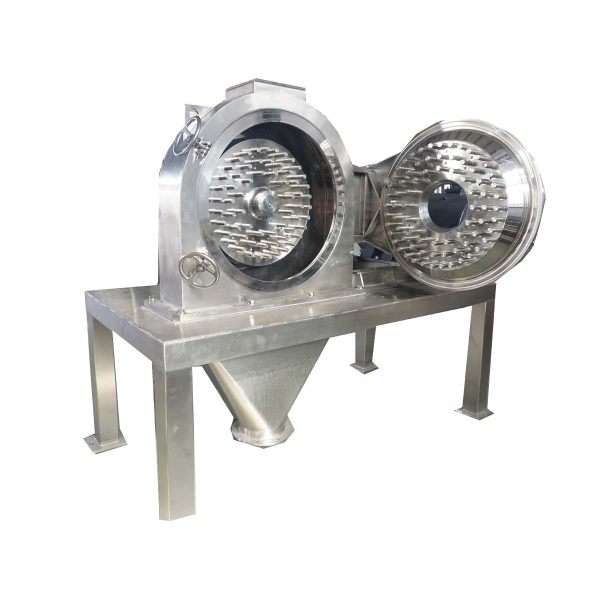
The pin mill is a high-efficiency ultrafine grinding and **integrated modification equipment**. Its core consists of two grinding discs that can rotate independently at high speed (or one rotating and one stationary), with needle-shaped/tooth-shaped elements evenly distributed on the disc surfaces. For calcium carbonate powder processing requirements, during operation, the relative high-speed movement of the two discs generates intense shearing,...

Mechanical Fusion Machine Modification Process

This equipment adopts a batch operation mode, making it particularly suitable for the modification scenarios of calcium carbonate powder with additives such as silanes that require high temperature and long reaction time. It is equipped with built-in heating and timing devices to precisely control the temperature and reaction duration of calcium carbonate modification. The inner lining can be made of optional ceramic materials to achieve zero metal contamination of calcium carbonate powder. It drives the full mixing and integration of calcium carbonate materials and modifiers through mechanical force, enhancing the coating modification effect.