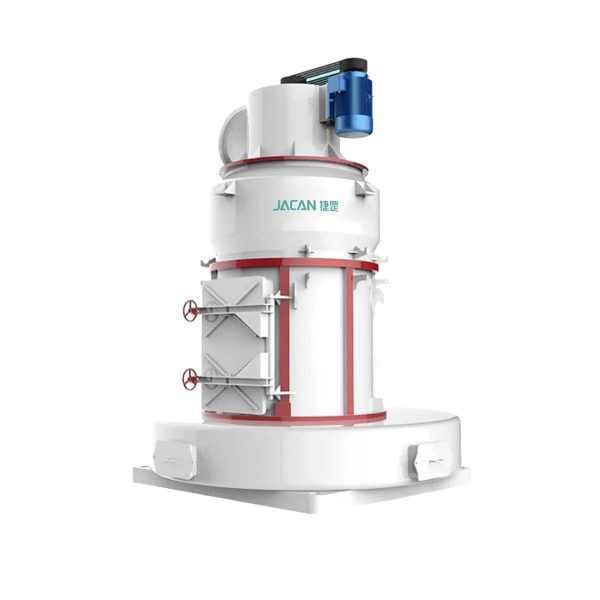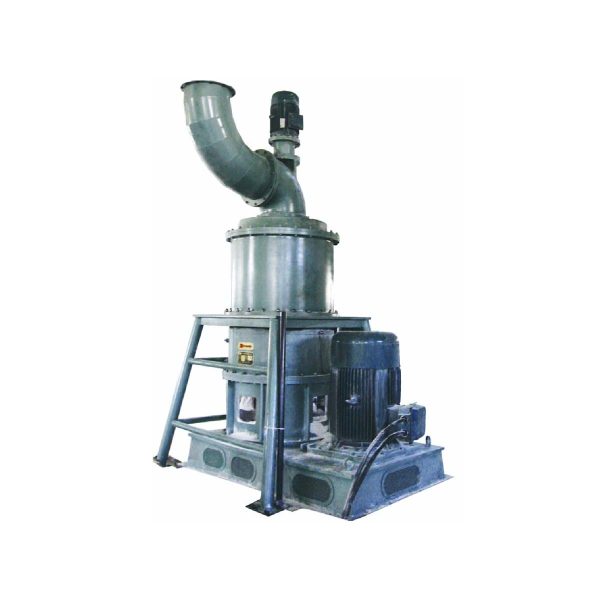
Ring Roller Mill Production Process
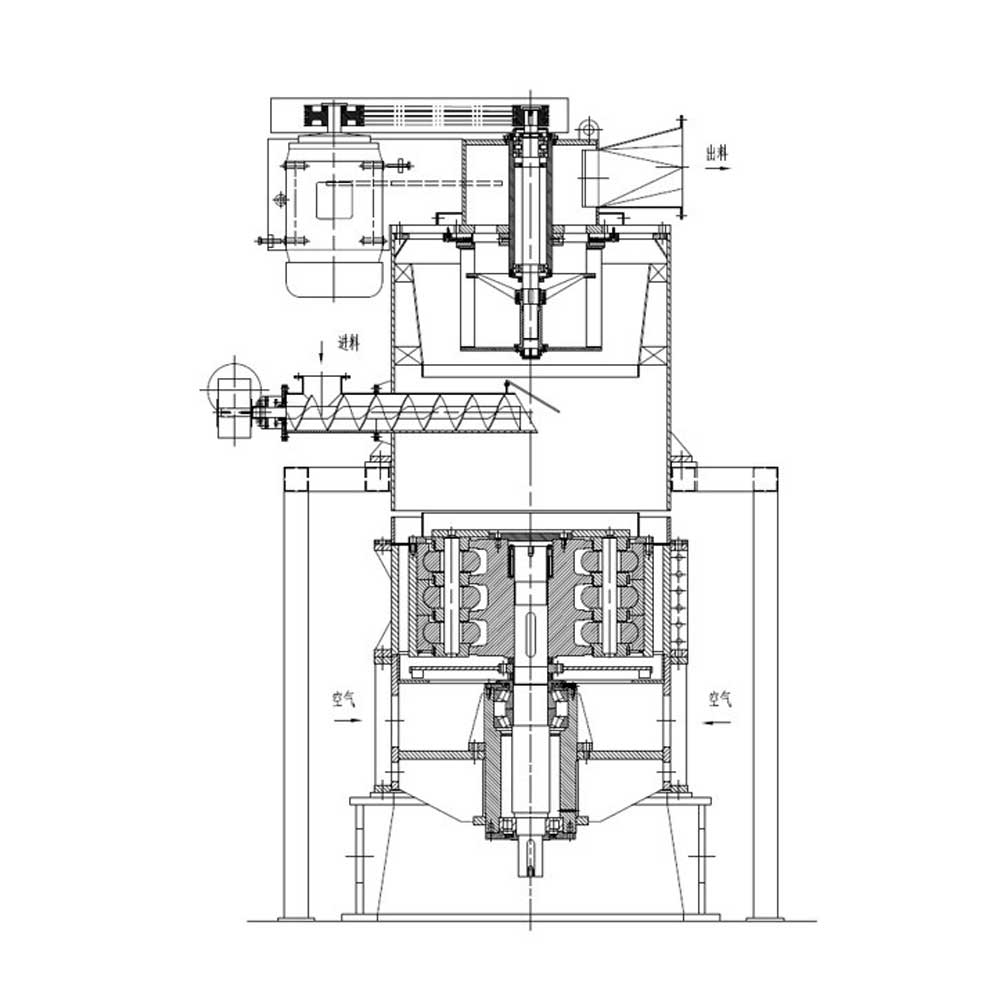
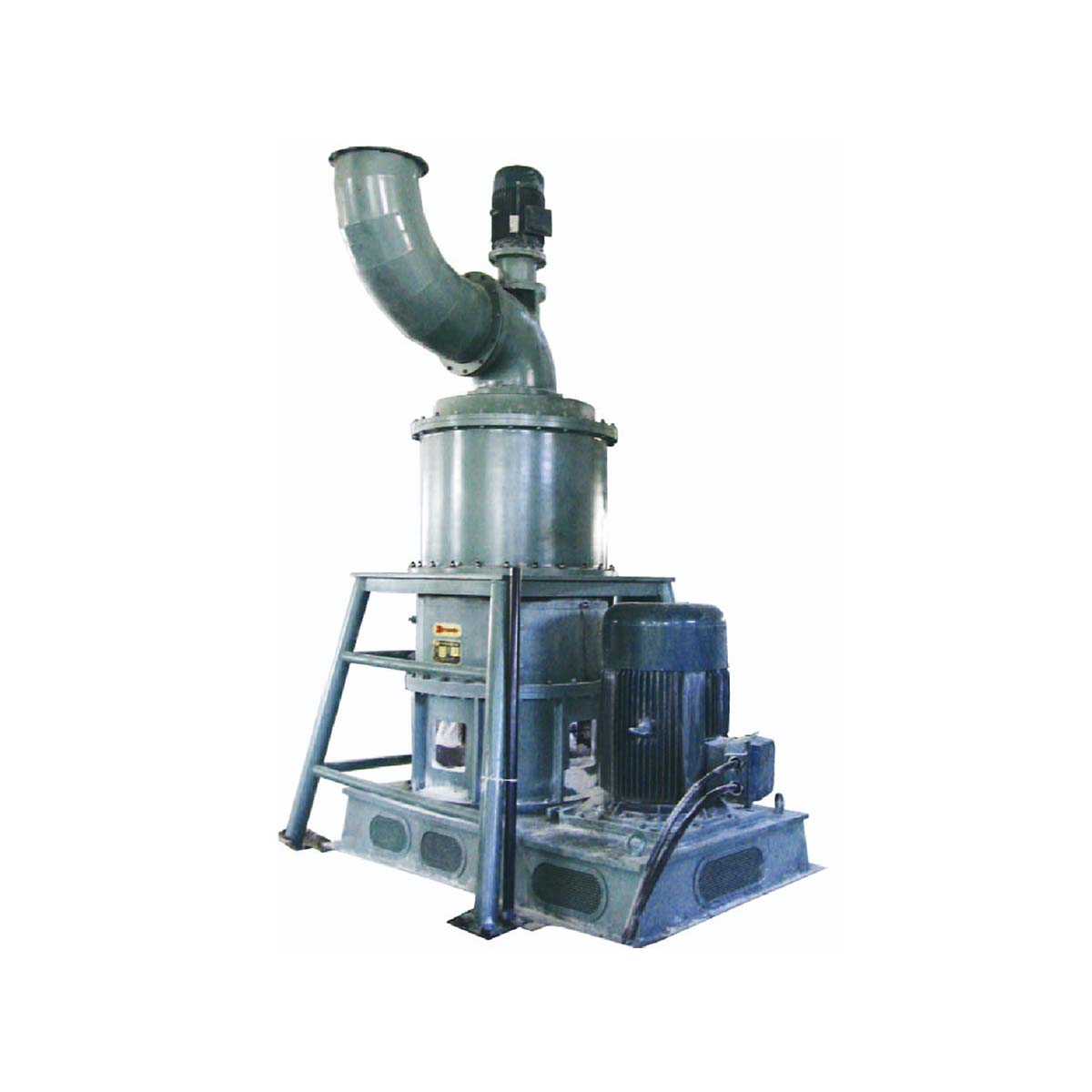
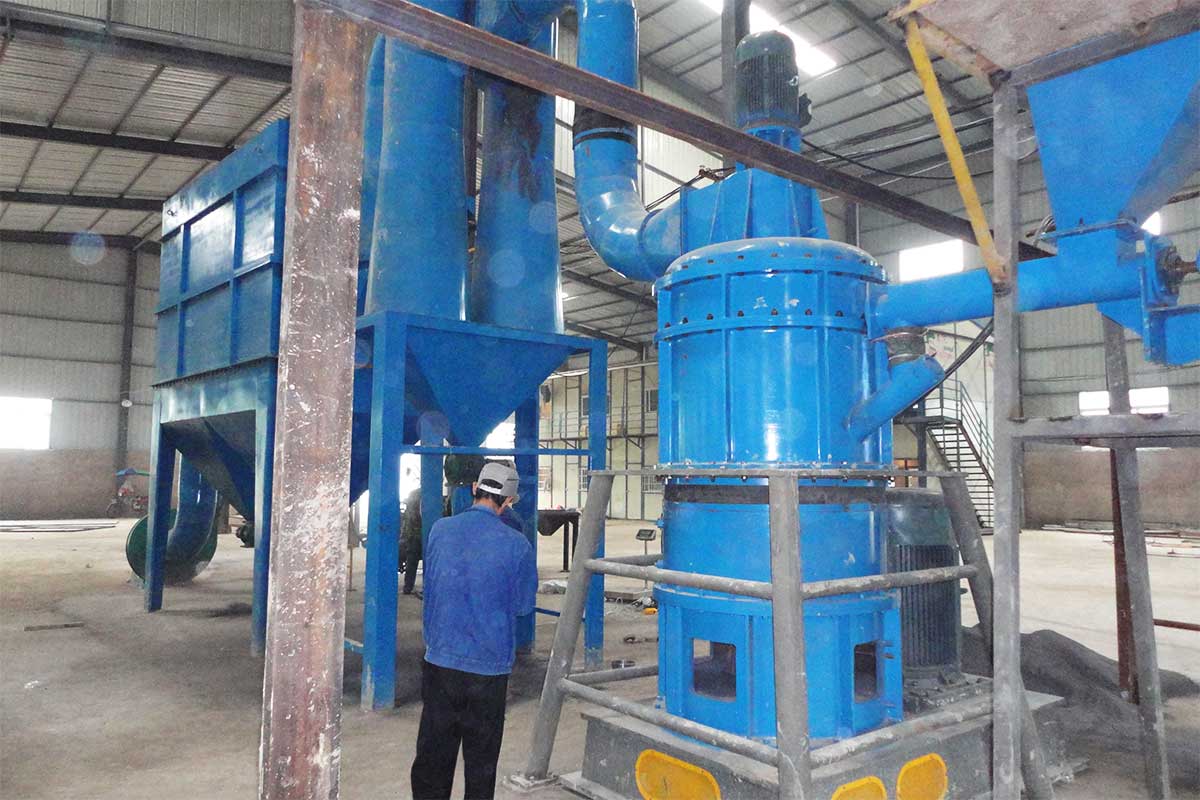
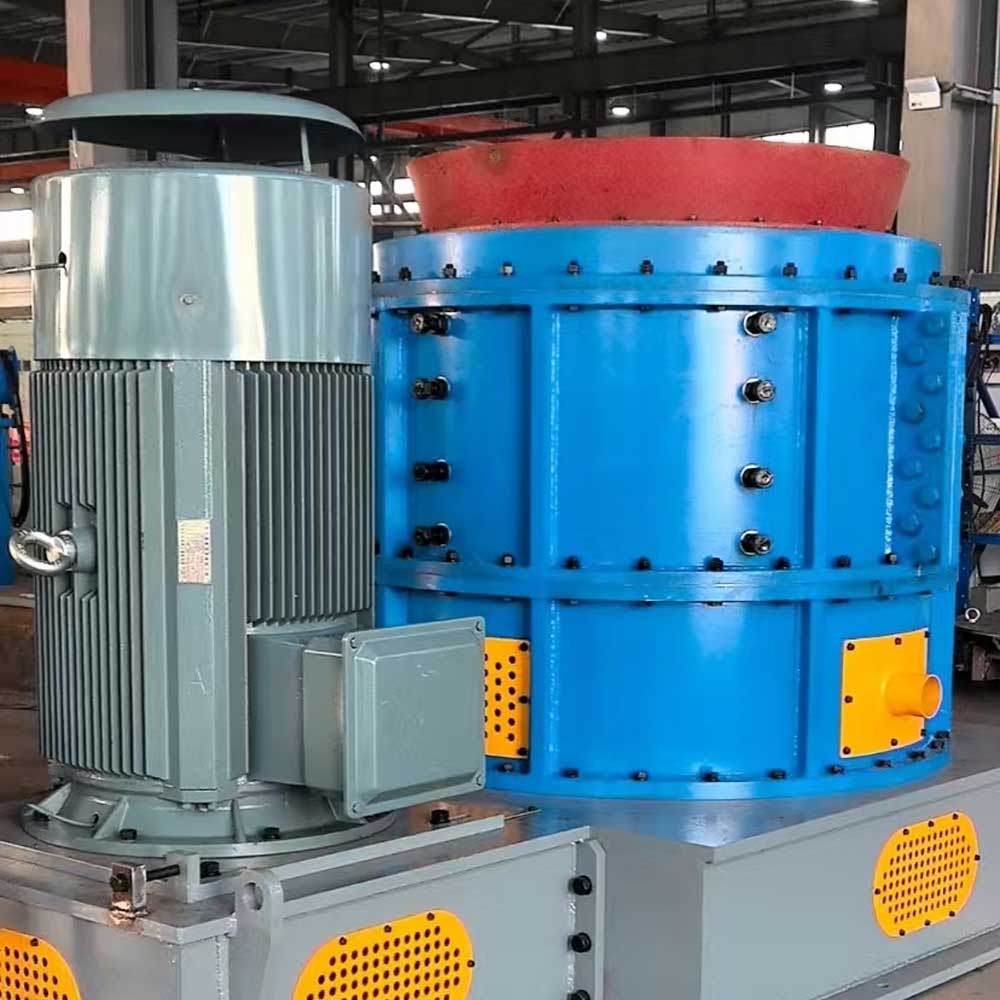
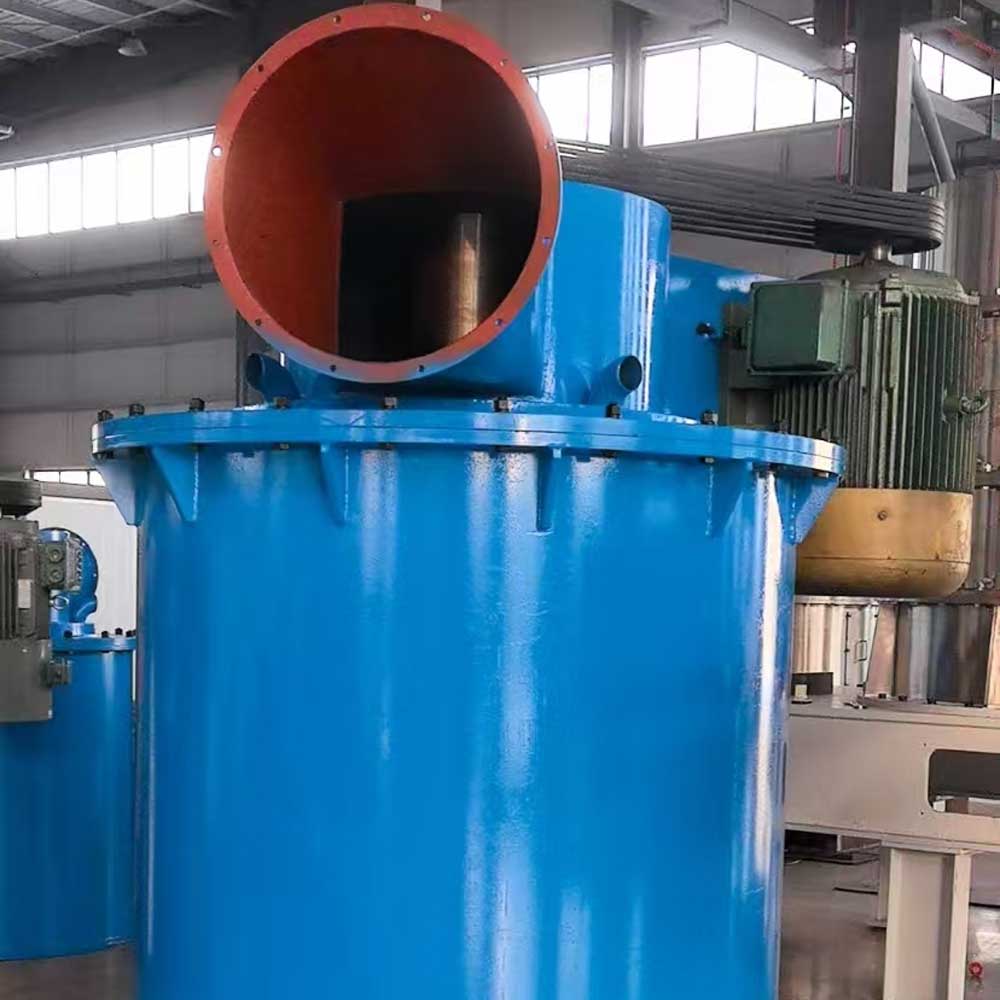
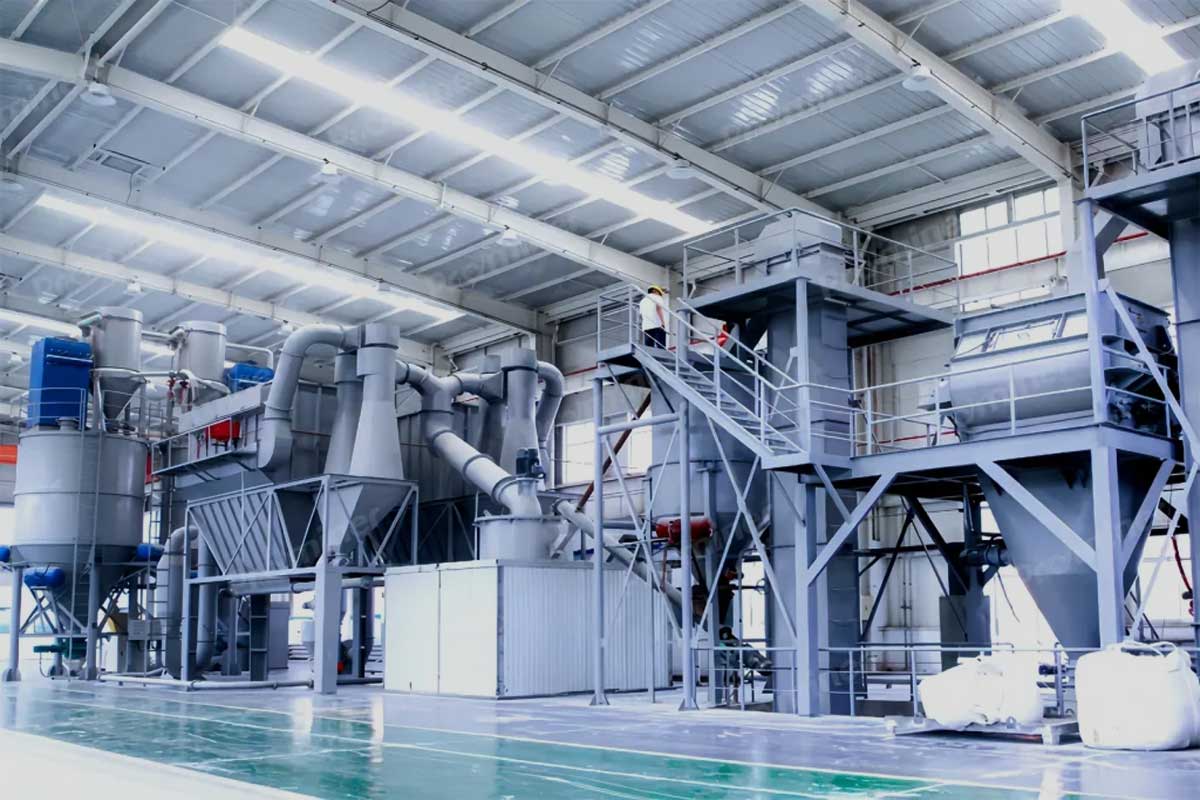
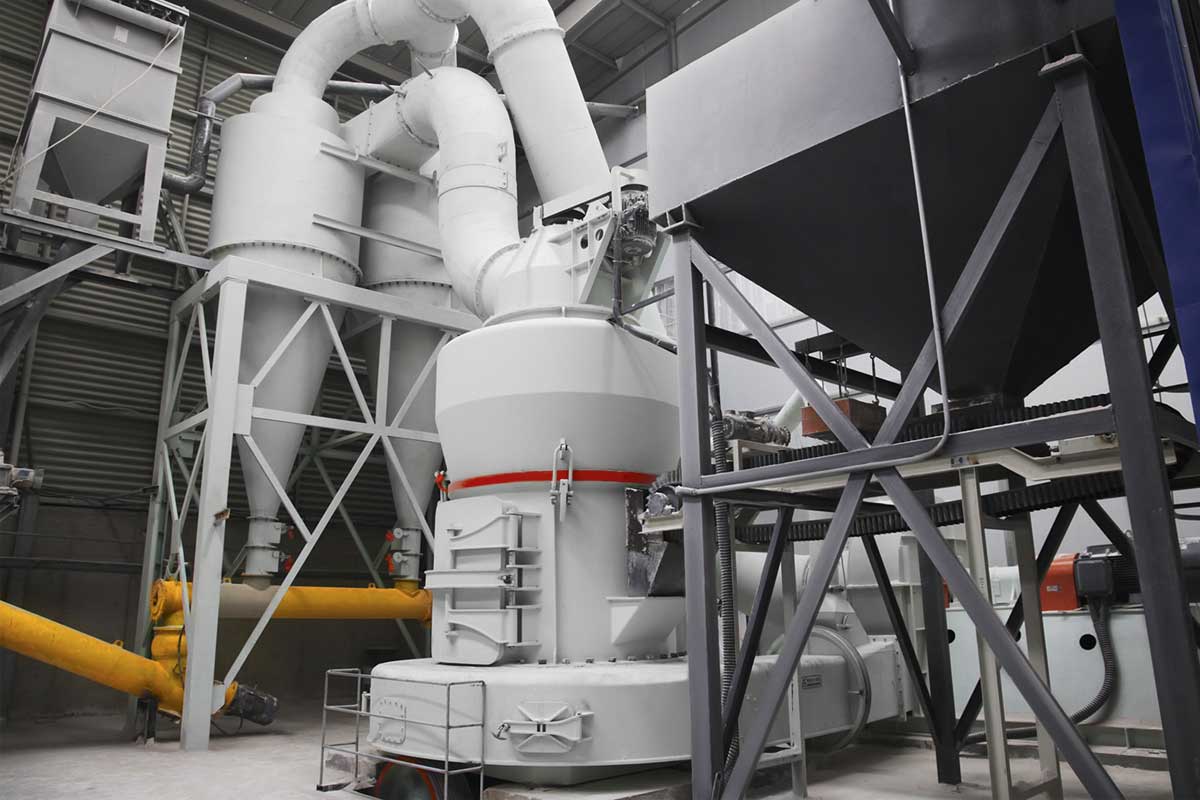
How it works
Performance and features
Multi-layer Grinding Components, Full Grinding & Excellent Fineness for Calcium Carbonate
Adopting a multi-layer distributed grinding component structure with multiple grinding rings per layer, it processes calcium carbonate materials through the combined effects of impact, rolling and grinding, precisely meeting ultra-fine grinding requirements. Materials pass through the gaps layer by layer from top to bottom, undergoing multiple progressive grinding processes for full milling and superior finished product fineness.
High Efficiency & Low Consumption, Higher Grinding Pressure for Calcium Carbonate Processing
Compared with Raymond mills and air classifying mills, it doubles the production efficiency of calcium carbonate under the same power conditions. The grinding pressure of the rollers is increased by 30–40% with high-pressure centrifugal force, leading the industry in grinding efficiency and energy utilization rate.
High Capacity, Suitable for Batch Processing of Calcium Carbonate
Taking calcium carbonate grinding as an example, when the finished product fineness reaches 10μm, the equipment can achieve a capacity of over 1 ton per hour, efficiently meeting the demands of large-batch, high-precision powder processing and greatly shortening the production cycle.
Controllable Fineness, Outstanding Environmental Performance for Calcium Carbonate Processing
The D97 fineness of the calcium carbonate finished product can reach 3–35μm, comparable to fluidized bed air classifying mills. Equipped with a stepless speed regulator for the classifying impeller, it allows flexible fineness adjustment without shutdown, with full fine powder recovery and no dust pollution, balancing process flexibility and environmental friendliness.
Technical Parameters
| Parameters / Model | 680 | 780 | 880 | 980 |
|---|---|---|---|---|
| Main power (kW) | 37 | 55~75 | 75~90 | 132 |
| Rotor speed (r/min) | 15 | 18.5 | 22 | 30 |
| Particle size (μm) | 5~45 | 5~45 | 5~45 | 5~45 |
| Air volume(max) (m³/min) | 3600 | 6000 | 7500 | 9000 |
| Output (kg/h) | 300~800 | 500~2000 | 600~2500 | 800~4500 |
| Power (kW) | 90 | 145 | 155 | 225 |
| Total weight (t) | 6 | 10 | 11 | 18 |
Related Processes & equipment
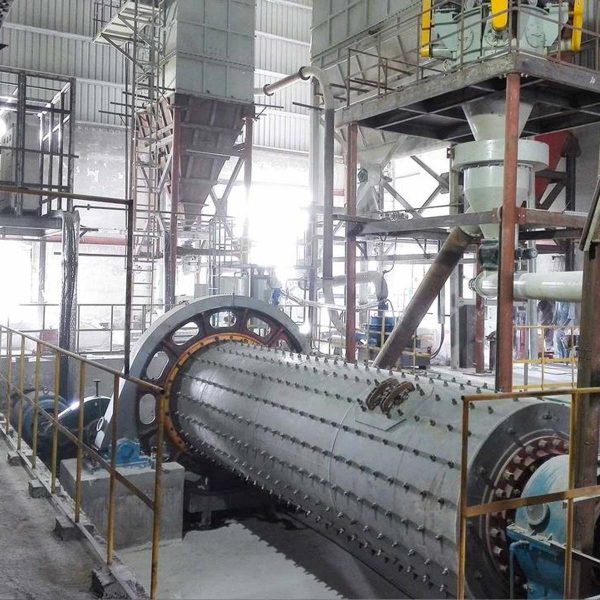
Ball Mill + Air Classifier Production Process
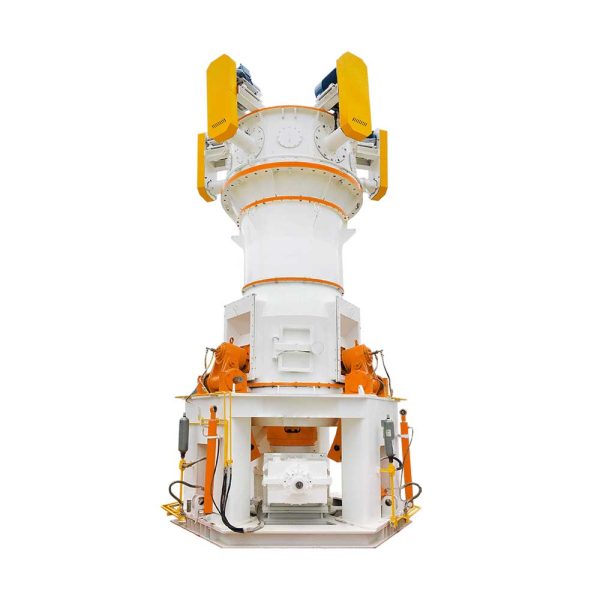
Vertical Mill Production Process