English

Ring Roller Mill And Air Classifier Production Process
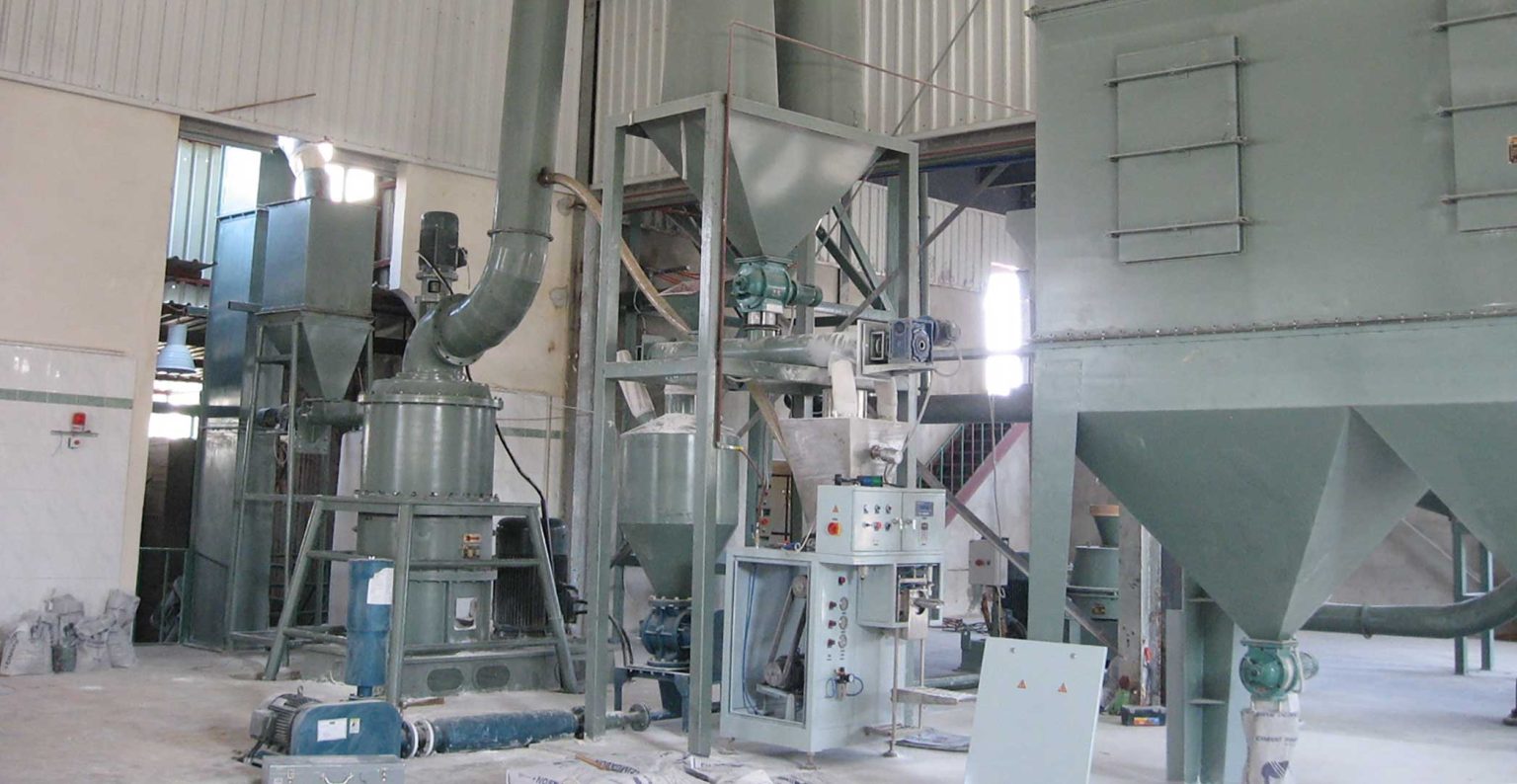
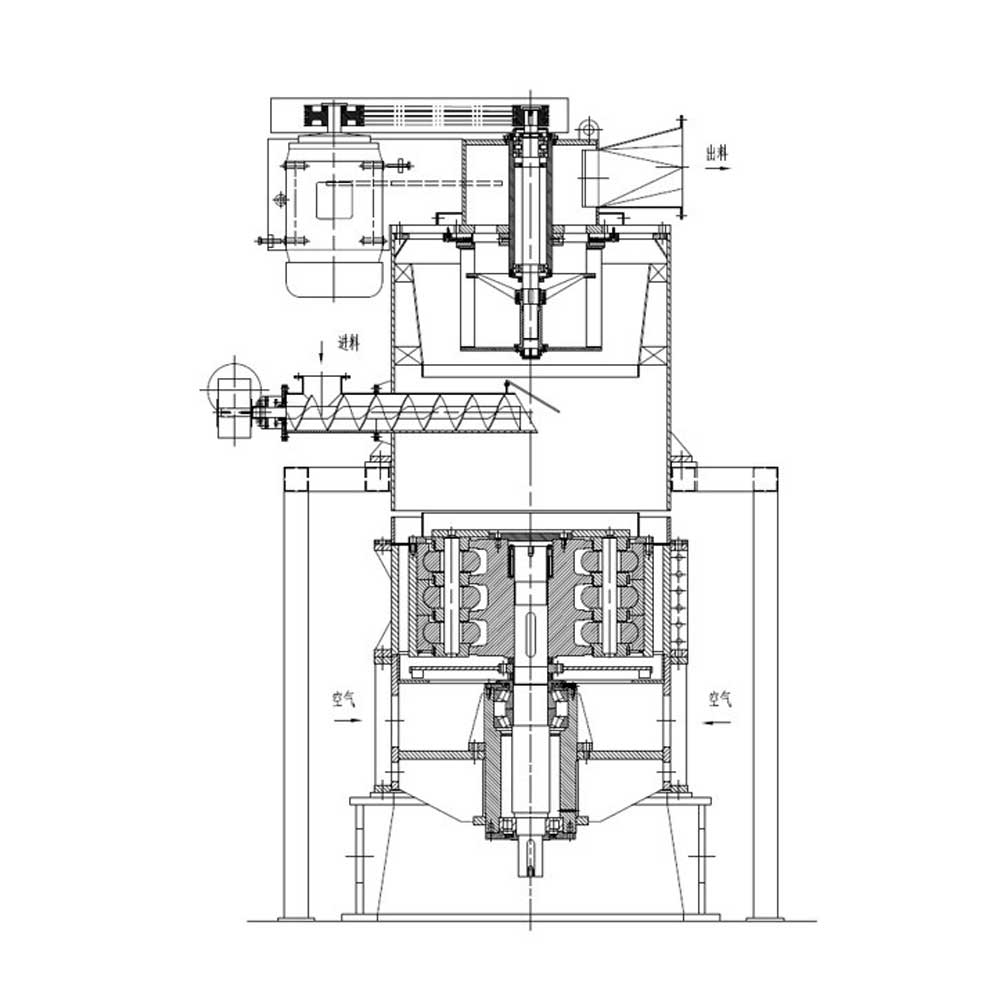
It features excellent performance, high efficiency, small floor space and easy installation, with good product particle size indicators and stable performance.
The ultra-fine grinding process of calcium carbonate by ring roller mill adopts an exclusive "multi-roller small-diameter" design. With precisely controlled fit clearance between the ring rollers and grinding rings, it can process calcium carbonate powder to an ultra-fine precision of up to 2500 mesh (about 5 microns). This process features lower energy consumption than traditional equipment and a low proportion of over-ground powder in the finished product, which ensures uniform particle size distribution and lower oil absorption value of calcium carbonate powder. It is suitable for processing calcium carbonate materials with a Mohs hardness below grade 5 and moderate fineness requirements.

How it works

The ring roller mill crushes materials through the combined principles of impact, extrusion, and grinding. The grinding ring bracket is designed with a large clearance between the grinding ring and the pin shaft. As material passes through the gap between the grinding rings, it is impacted, squeezed, and ground by the rings, resulting in effective size reduction. After crushing, the material falls under gravity onto the feed tray and is then carried by airflow into the classification chamber. Qualified fine particles are conveyed by the classifier rotor into the collection system, while coarser particles are thrown against the split ring wall and returned to the crushing chamber for re-grinding. In the case of a double-layer grinding machine, the material undergoes secondary grinding as it passes through the gap between the second set of grinding rings, ensuring further refinement.

Performance and features

Multi-layer Grinding Components, Full Grinding & Excellent Fineness for Calcium Carbonate

Adopting a multi-layer distributed grinding component structure with multiple grinding rings per layer, it processes calcium carbonate materials through the combined effects of impact, rolling and grinding, precisely meeting ultra-fine grinding requirements. Materials pass through the gaps layer by layer from top to bottom, undergoing multiple progressive grinding processes for full milling and superior finished product fineness.

High Efficiency & Low Consumption, Higher Grinding Pressure for Calcium Carbonate Processing

Compared with Raymond mills and air classifying mills, it doubles the production efficiency of calcium carbonate under the same power conditions. The grinding pressure of the rollers is increased by 30–40% with high-pressure centrifugal force, leading the industry in grinding efficiency and energy utilization rate.

High Capacity, Suitable for Batch Processing of Calcium Carbonate

Taking calcium carbonate grinding as an example, when the finished product fineness reaches 10μm, the equipment can achieve a capacity of over 1 ton per hour, efficiently meeting the demands of large-batch, high-precision powder processing and greatly shortening the production cycle.

Controllable Fineness, Outstanding Environmental Performance for Calcium Carbonate Processing

The D97 fineness of the calcium carbonate finished product can reach 3–35μm, comparable to fluidized bed air classifying mills. Equipped with a stepless speed regulator for the classifying impeller, it allows flexible fineness adjustment without shutdown, with full fine powder recovery and no dust pollution, balancing process flexibility and environmental friendliness.

Technical Parameters

Parameters / Model680780880980
Main power (kW)3755~7575~90132
Rotor speed (r/min)1518.52230
Particle size (μm)5~455~455~455~45
Air volume(max) (m³/min)3600600075009000
Output (kg/h)300~800500~2000600~2500800~4500
Power (kW)90145155225
Total weight (t)6101118

Related Machines & equipment

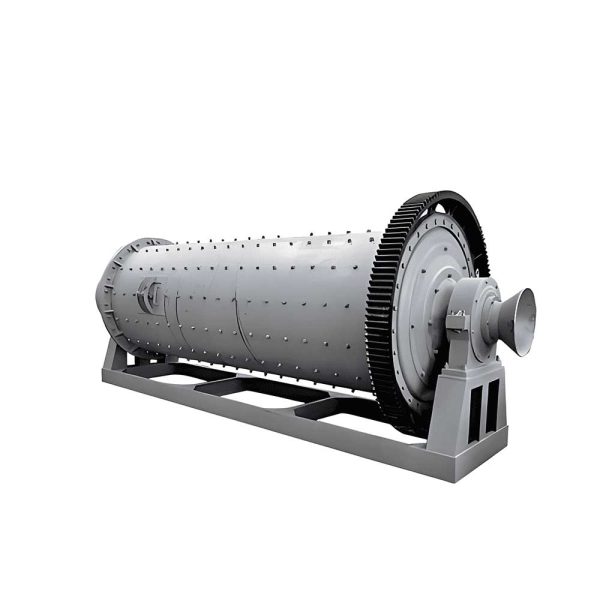
Ball Mill And Air Classifier Production Process
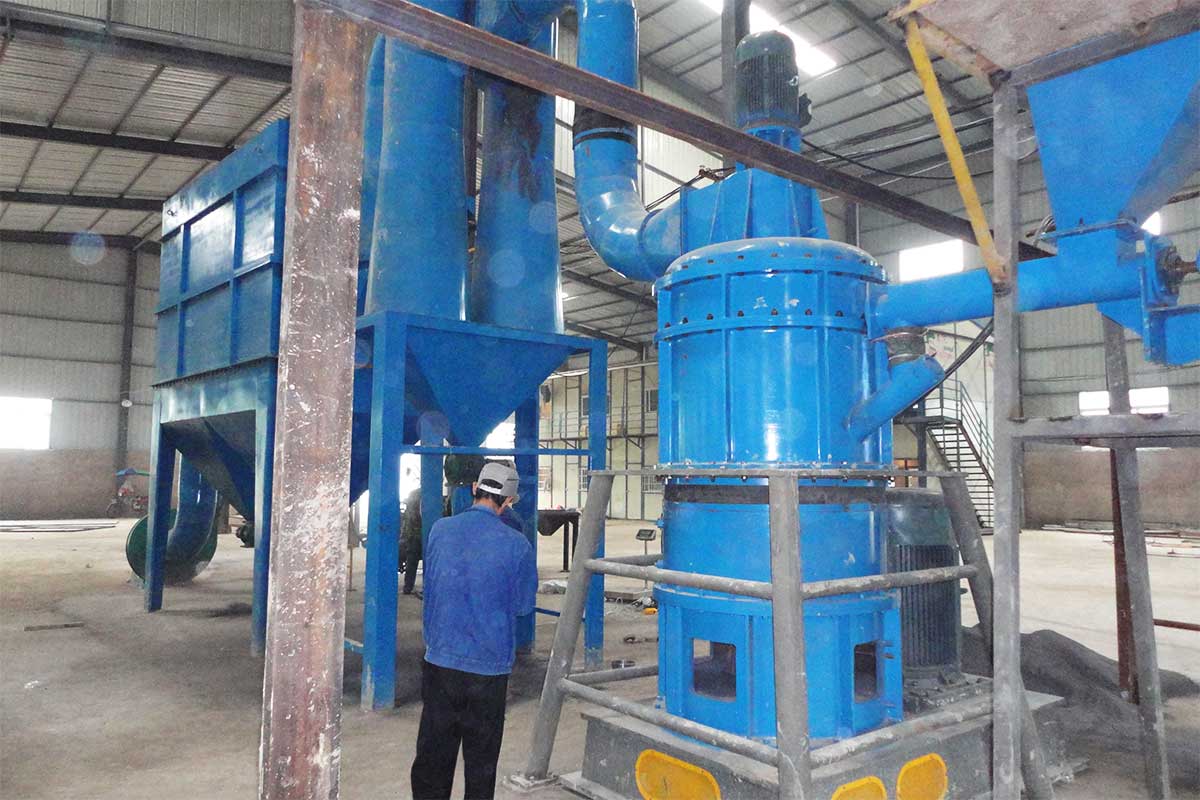
The automatic ball milling and classification production line dedicated to calcium carbonate is an advanced integrated crushing and classification equipment developed specifically for the characteristics of calcium carbonate ore powder. Adopting a closed-circuit circulation system design, this production line boasts core advantages such as low energy consumption, high output, stable and efficient operation, mature and reliable technology, and precise control over the particle size of finished products. Its complete technological process includes key links such as two-stage crushing, fine grinding, precise classification, finished product packaging, silo storage, material conveying and vertical lifting. Multiple classifiers can be connected in parallel or in series at the rear end of the ball mill to realize the simultaneous production of calcium carbonate products with various particle size specifications.
Learn more

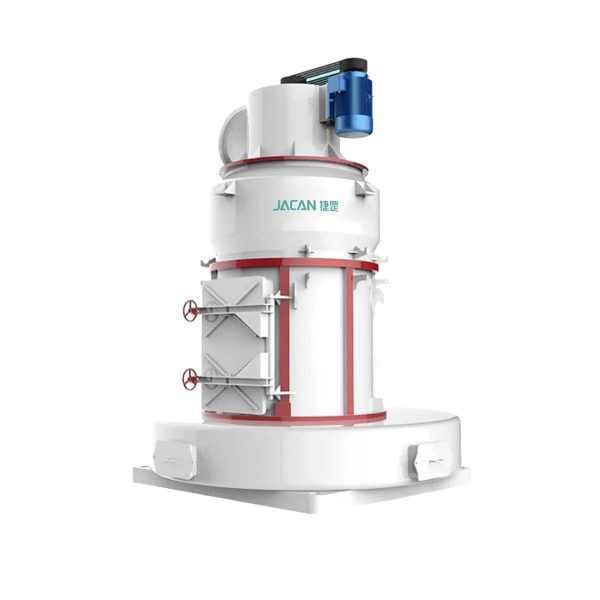
Raymond Mill And Air Classifier Production Process
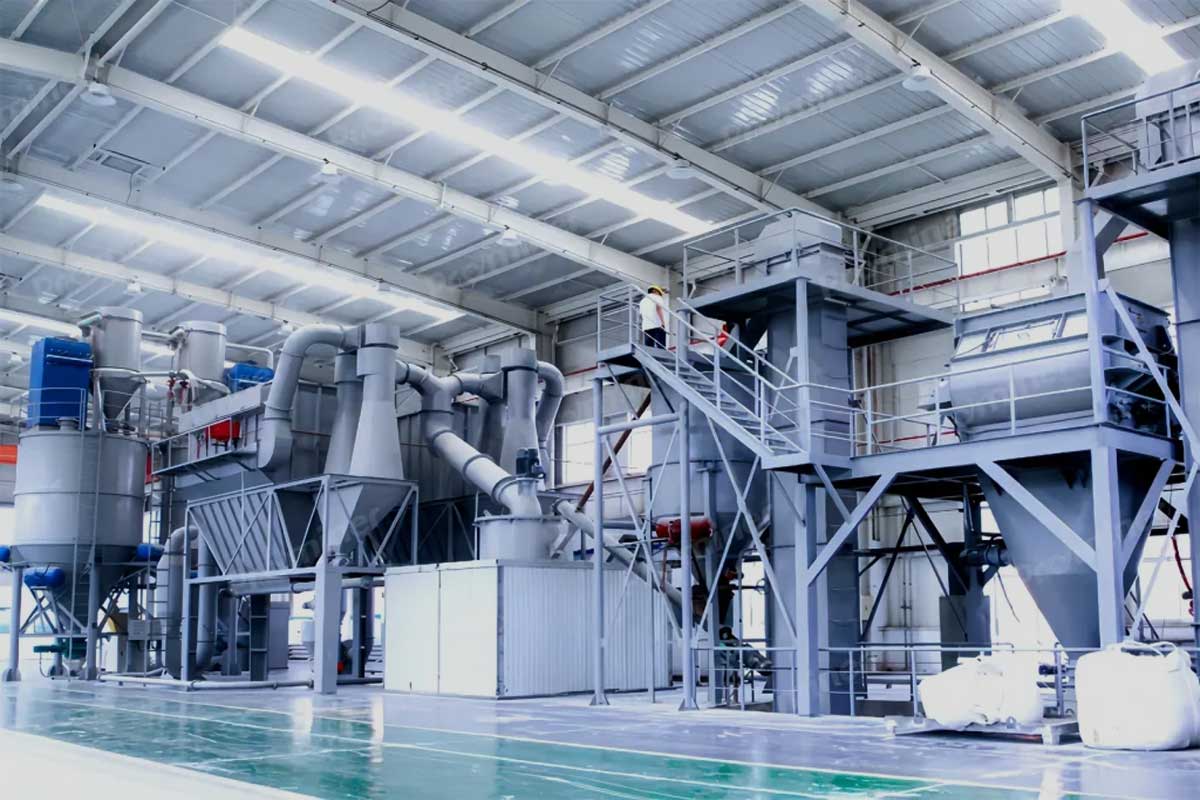
In the calcium carbonate industry, the Raymond mill is one of the earliest and most widely used grinding equipment in the world. Its conventionally processed calcium carbonate powder has relatively low fineness, which is mainly suitable for the large-scale production of ordinary calcium carbonate powder with a mesh size of over 400. With secondary classification, small batches of products with a mesh size of 500–1250 can be obtained, thus having the capability of large-scale production of coarse powder and small-batch production of fine powder.
Learn more

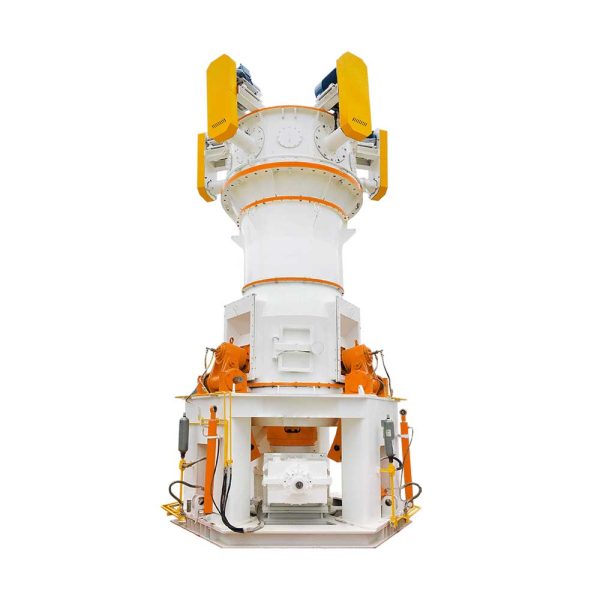
Vertical Mill And Air Classifier Production Process
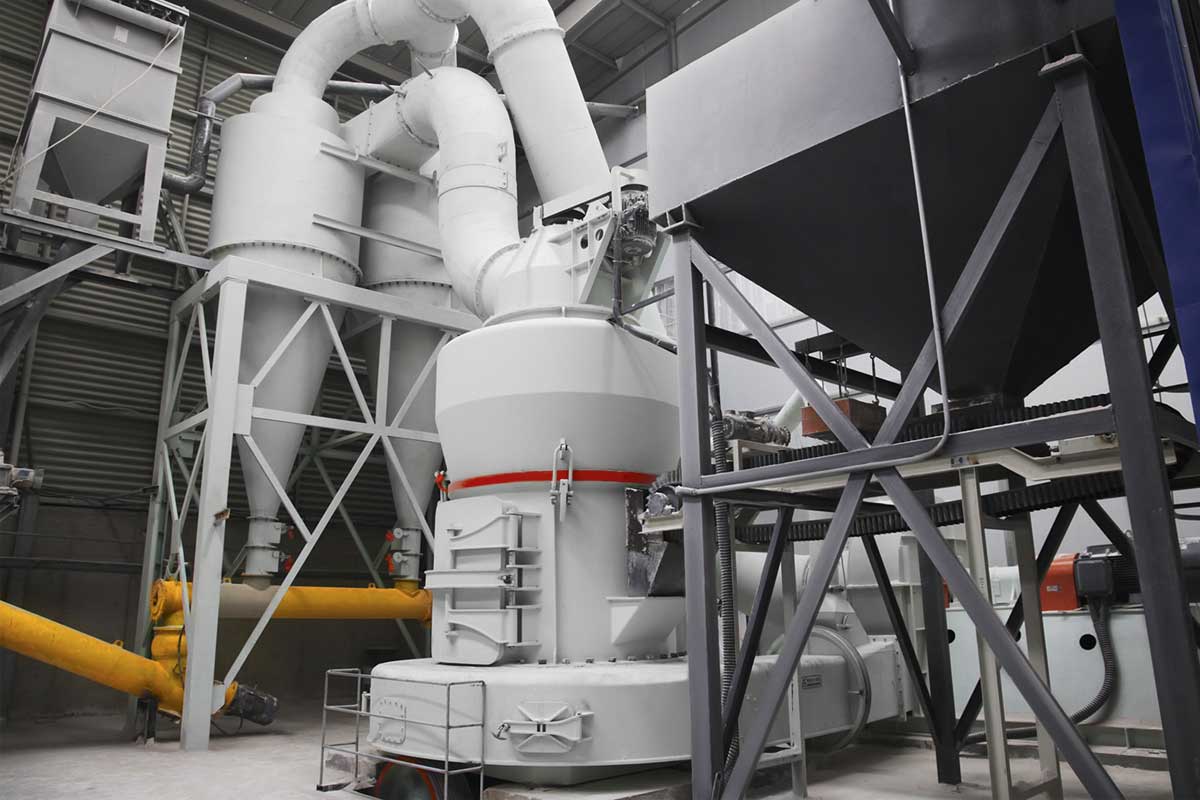
The vertical mill is a special layer extrusion grinding equipment for calcium carbonate powder processing. Its structural design is highly compatible with the physical properties of calcium carbonate, and it can achieve efficient grinding through the extrusion force between the grinding rollers and the grinding disc. In the conventional processing mode, relying on the built-in classification system of the equipment, the fineness of the finished product can stably reach 1250 mesh, which can meet the filler needs of industries such as coatings and plastics. When combined with the secondary and tertiary classification processes, the maximum fineness of the finished product can reach 3000 mesh, which can accurately meet the application requirements of high-end fields such as high-grade papermaking and advanced composite materials.
Learn more