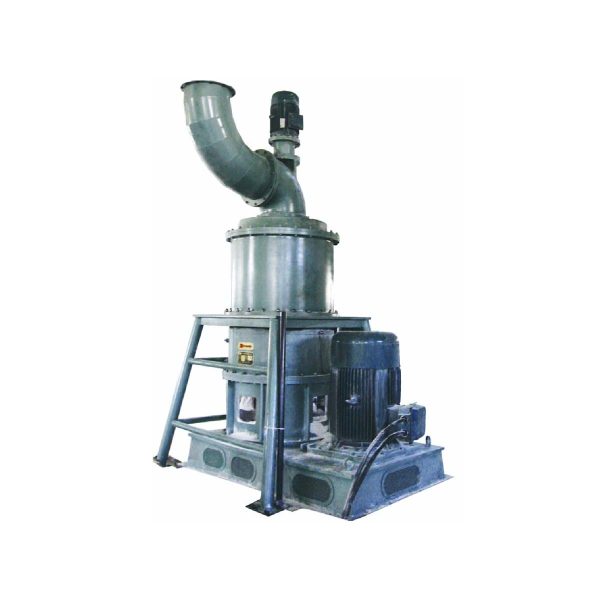
Raymond Mill Ultra-Fine Grinding Process
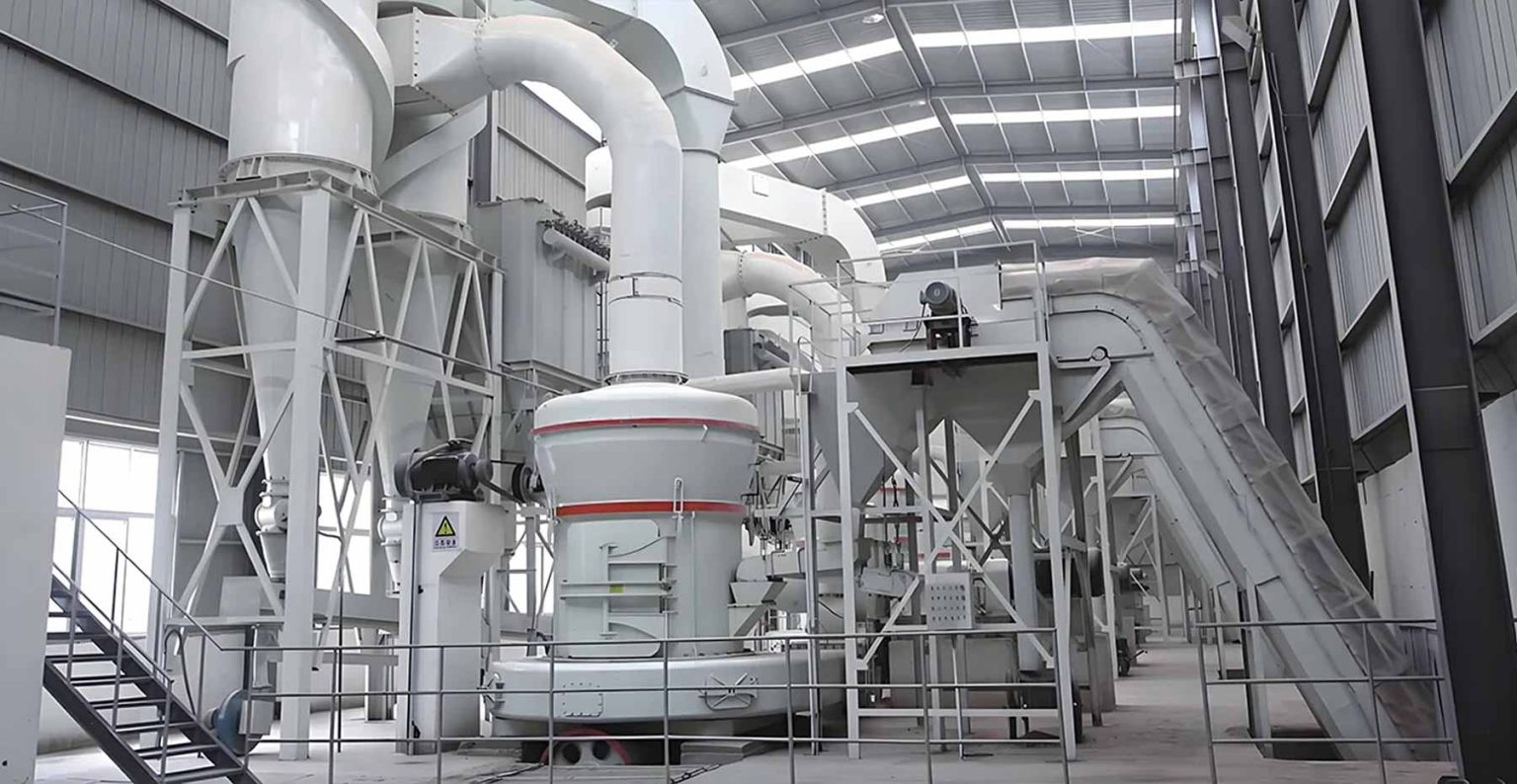
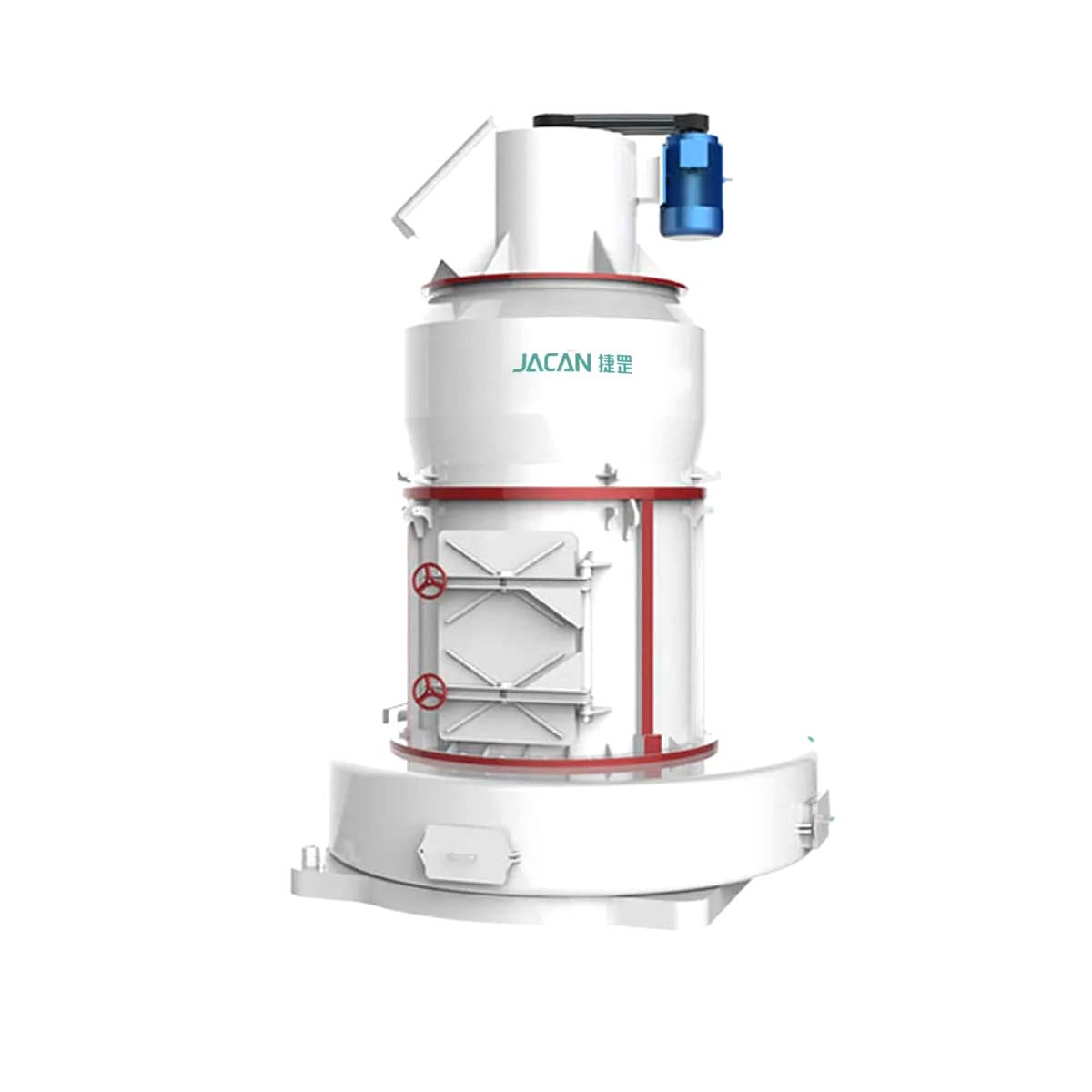
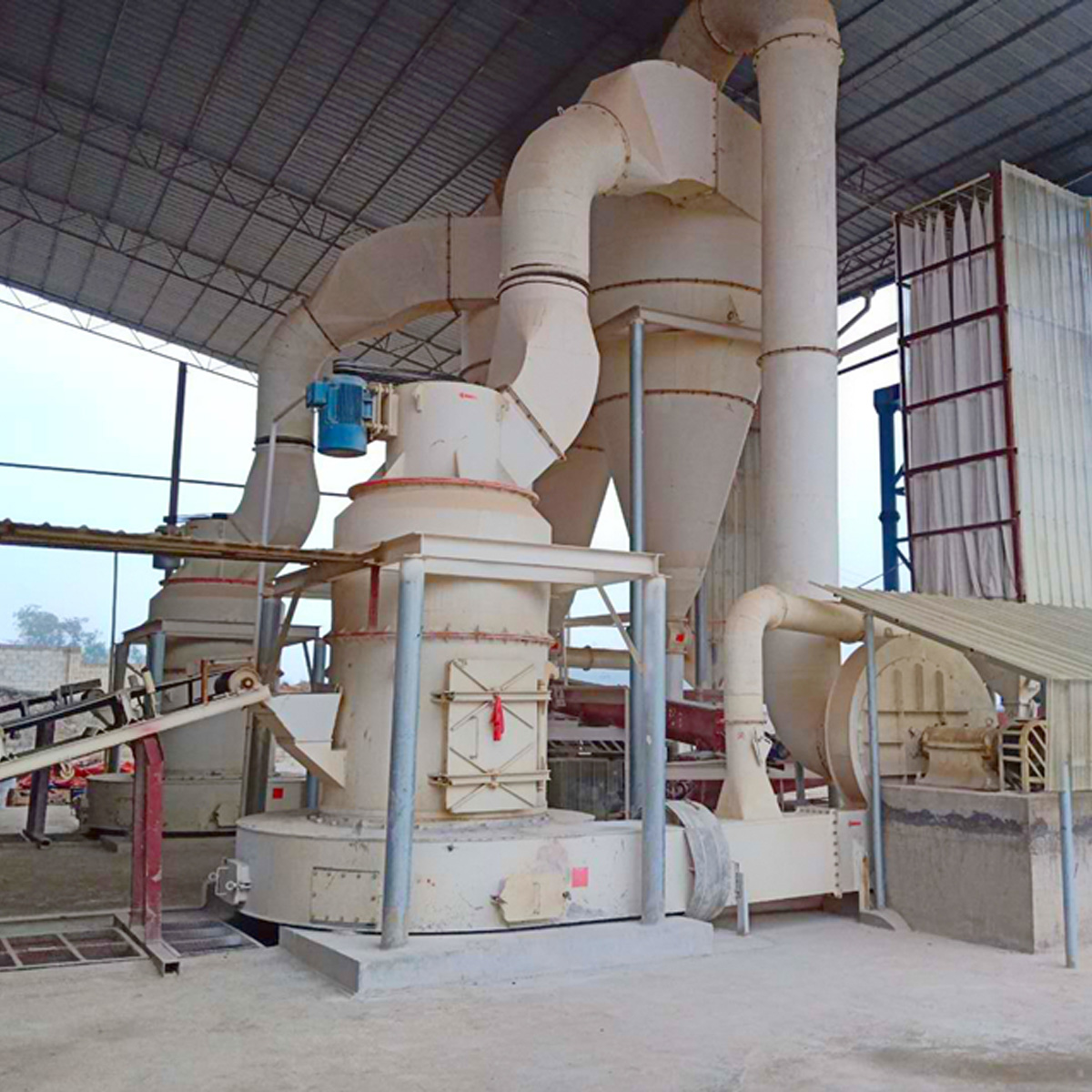
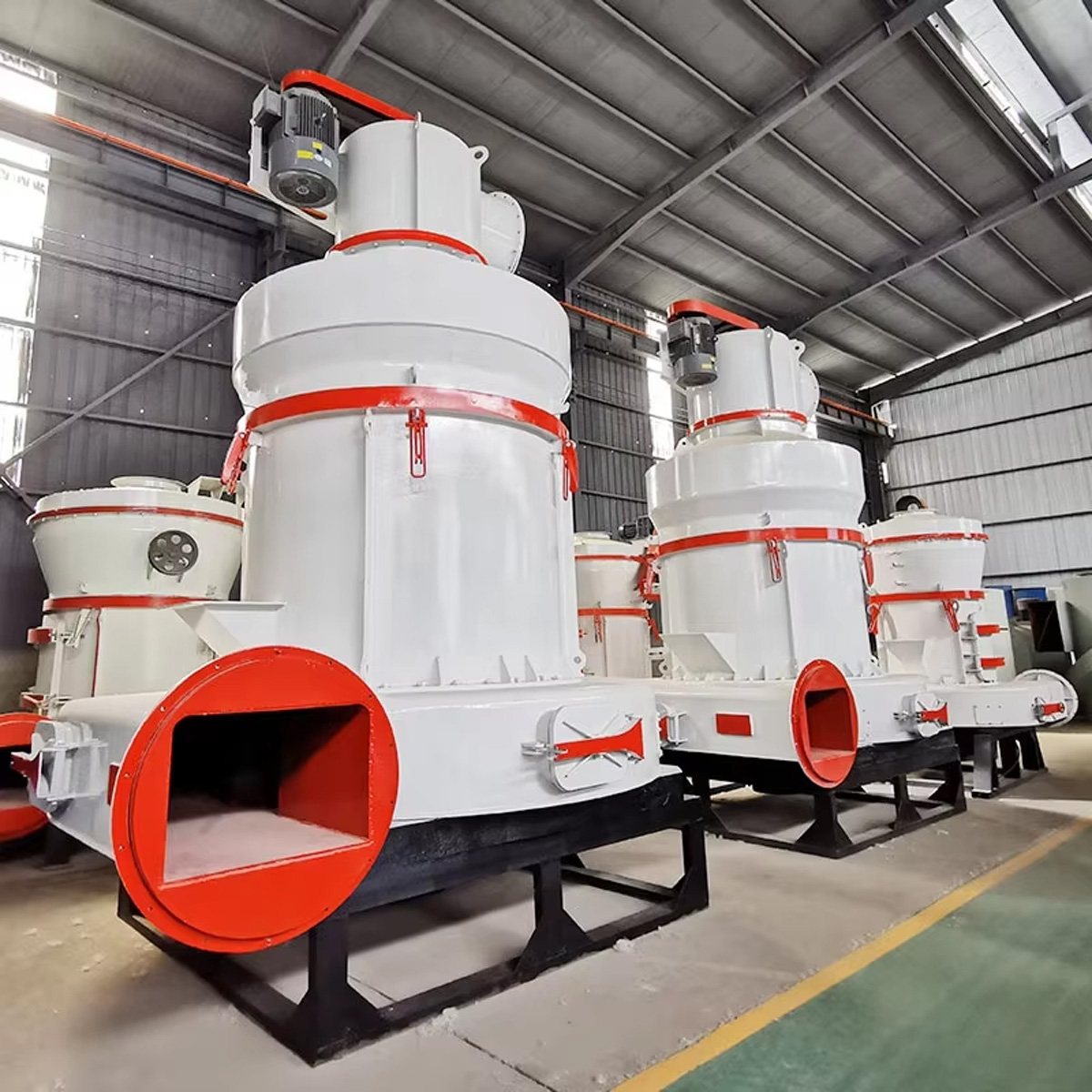
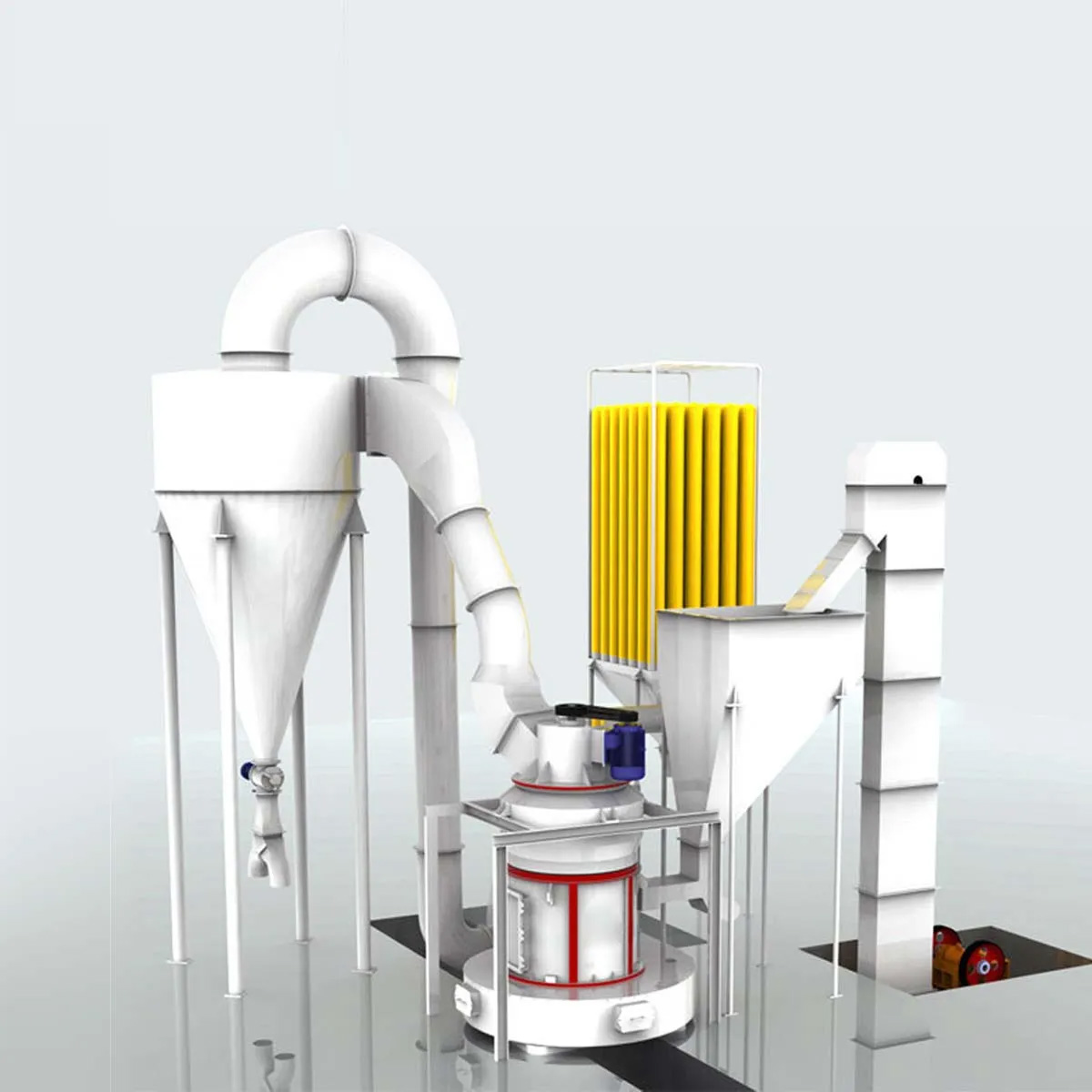
How it works
Performance and features
Strong Conveying Capacity, Efficient Material Circulation
Equipped with a high-pressure centrifugal blower, the equipment features significantly increased air volume and pressure, which greatly enhances the pneumatic conveying capacity. It can quickly transport crushed materials to the classification and separation links, avoiding material accumulation, ensuring the continuous and stable operation of the entire production line, and improving overall processing efficiency.
Excellent Classification Precision, Flexible Particle Size Adjustment
The classifier is equipped with a built-in squirrel-cage conical turbine classifier, allowing the finished product particle size to be arbitrarily adjusted within the range of 80-500 meshes. During the classification process, it can strictly screen particles of different sizes, ensuring uniform particle size distribution of the finished product and accurately meeting the particle size requirements of various precision processing scenarios.
Advanced Main Machine Structure, Convenient Operation & Maintenance
The main machine is equipped with a dedicated buffer device, and the hood cylinder adopts an optimized structural design, which effectively reduces vibration and noise during operation and ensures stable equipment operation. Meanwhile, the main machine and analyzer are equipped with quick-change compression devices, simplifying the disassembly and assembly process, making daily maintenance work such as inspection and component replacement more efficient, and reducing downtime.
Arc-Shaped Resistance-Free Air Duct, Improved Powder Selection Efficiency
The air duct adopts an arc-shaped resistance-free design, which scientifically optimizes the air flow path, minimizes resistance during air conveying, and reduces air volume loss. This ensures smooth and stable material flow in the air duct, providing better conditions for the analyzer’s powder selection, thereby significantly improving the powder selection rate and classification accuracy of the analyzer.
New-Type Grinding Roller Device, Maintenance-Free & Cost-Effective
The grinding roller device adopts a new maintenance-free structural design with reliable sealing performance. Its bearings are lubricated with engine oil, featuring low oil consumption, long bearing service life, and greatly reducing the maintenance frequency and cost during the long-term use of the equipment.
Large Shoveling Capacity, Durable & Efficient Grinding
Equipped with extra-large shovels, the equipment can maximize the amount of materials fed between the grinding rollers and rings for grinding, fully improving material grinding utilization and single processing capacity. The shovels are made of high-strength alloy steel, which is hard and wear-resistant, ensuring a long service life and reducing the replacement frequency of wearing parts and production costs.
Technical Parameters
| Parameters / Model | 1280 | 1300 | 1620 | 1850 | 2150 | 2500 |
|---|---|---|---|---|---|---|
| Maximum feed size (mm) | 20mm | 20mm | 30mm | 35mm | 35mm | 35mm |
| Particle size (mesh) | 80-400 | 80-400 | 80-325 | 80-325 | 80-325 | 80-325 |
| Output (t/h) | 2-10 | 2-14 | 2.5-18 | 6-30 | 12-40 | 15-50 |
| Grinding roller size (mm) | Φ1280 | Φ1300 | Φ1620 | Φ1850 | Φ2150 | Φ2500 |
| Total power (kW) | 145 | 202 | 322 | 442 | 575 | 675 |
Related Machines & equipment
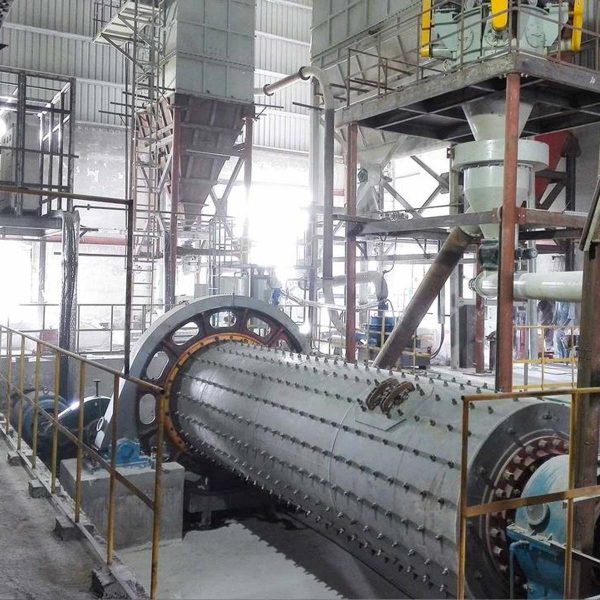
Ball Mill And Air Classifier Production Line