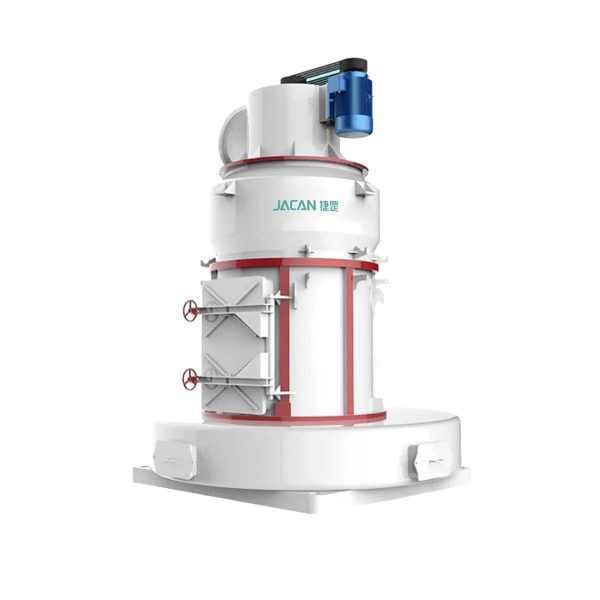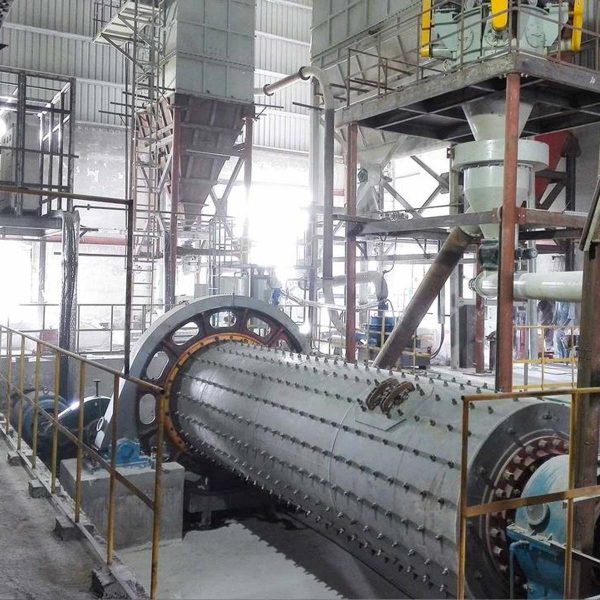
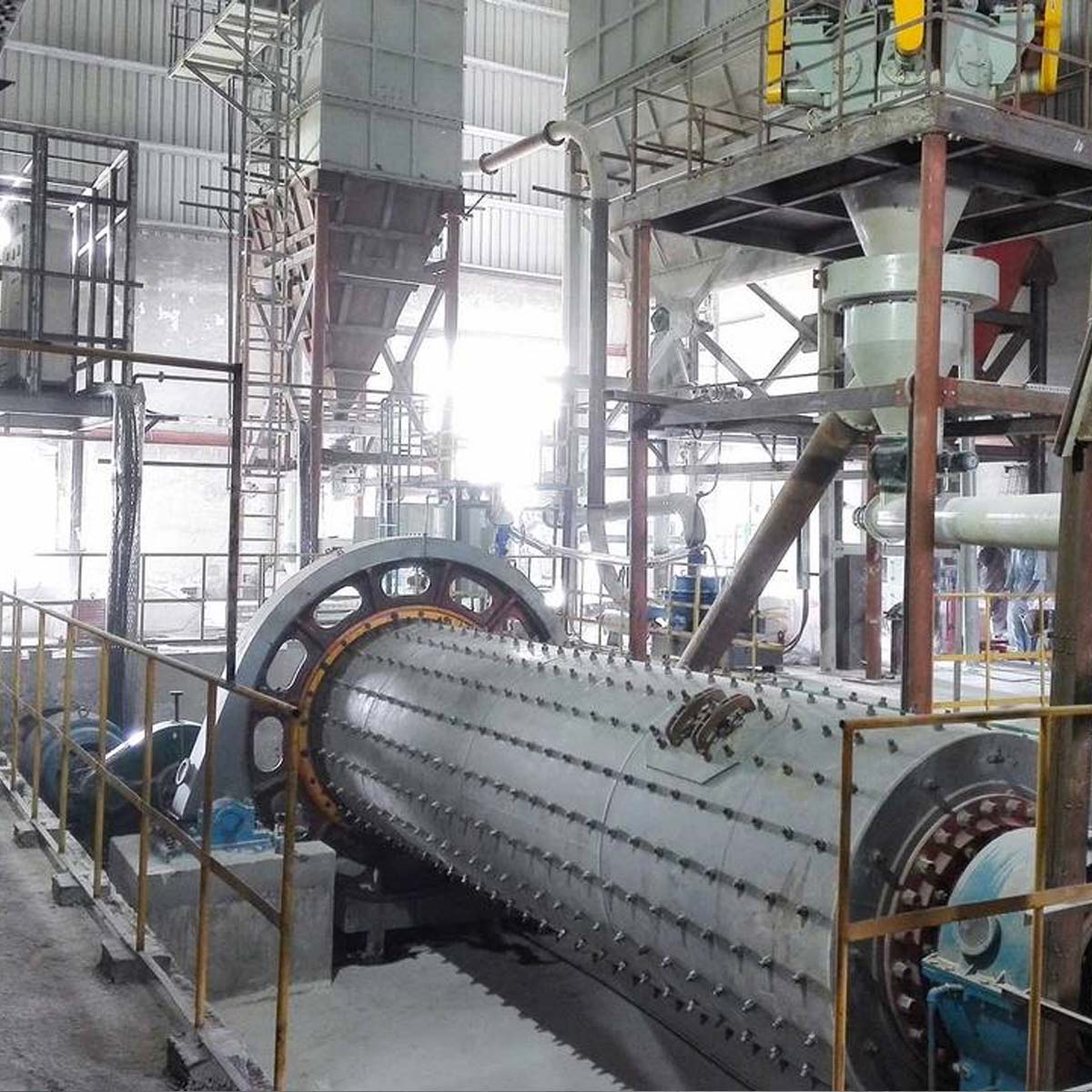
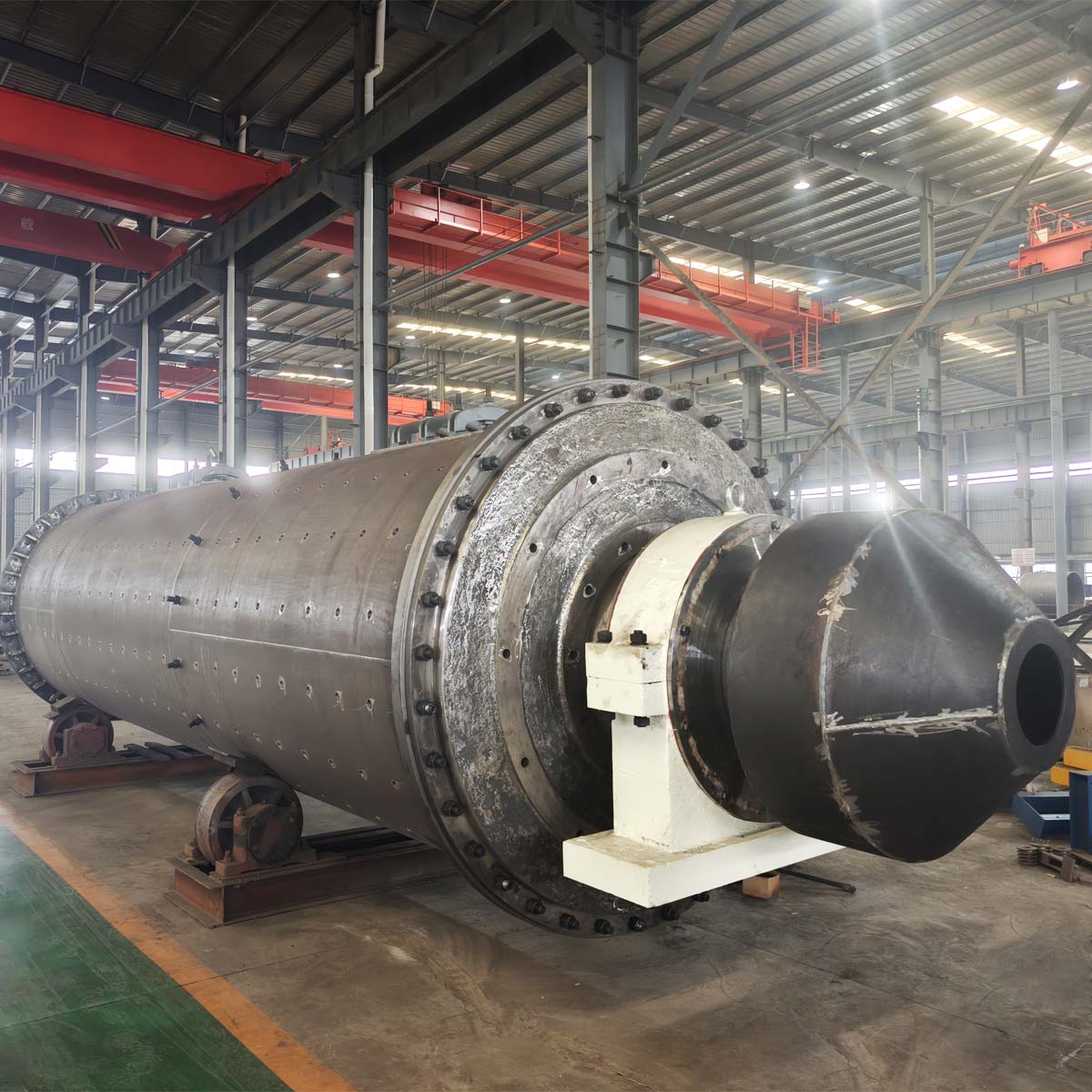
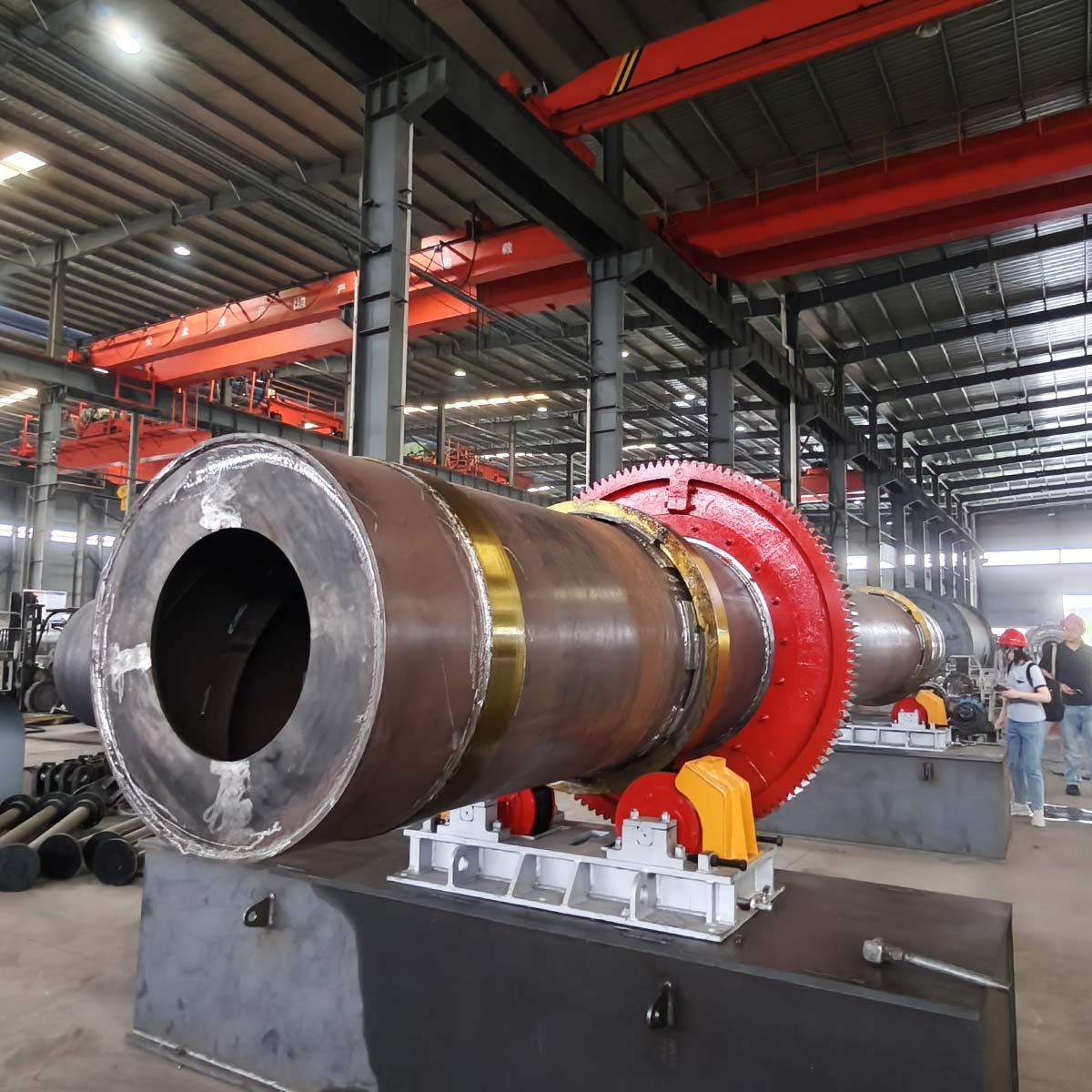
Ball Mill + Air Classifier Production Process
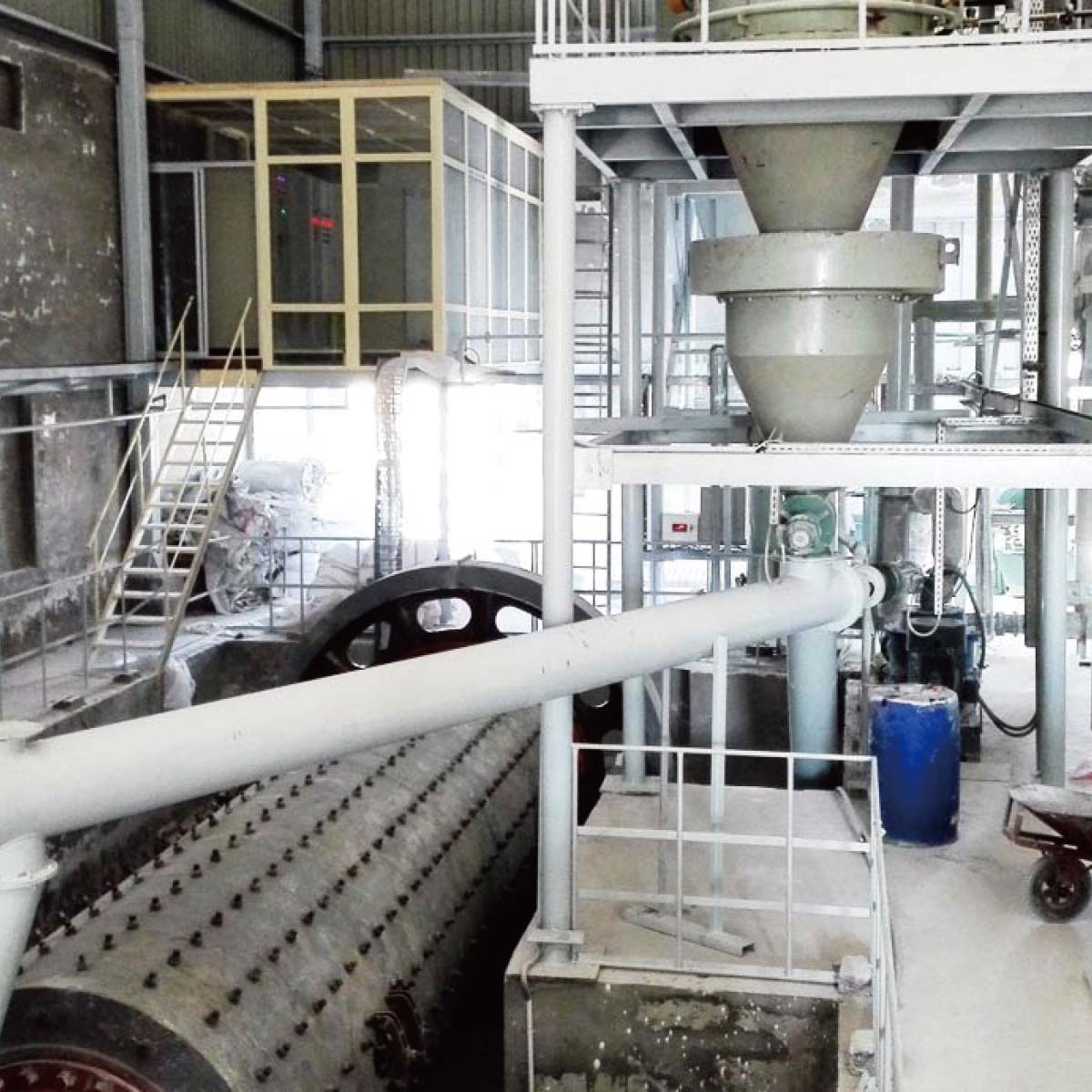
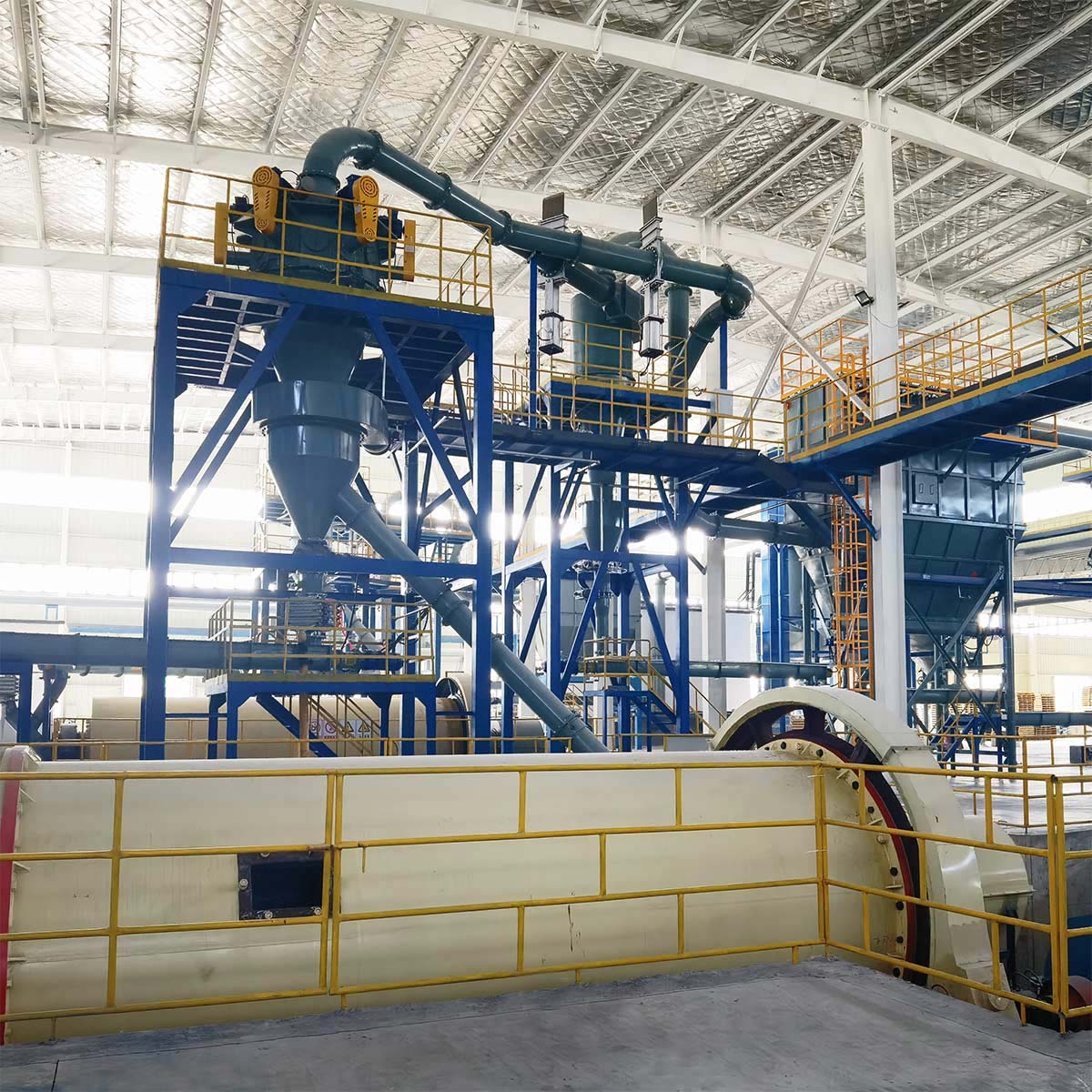
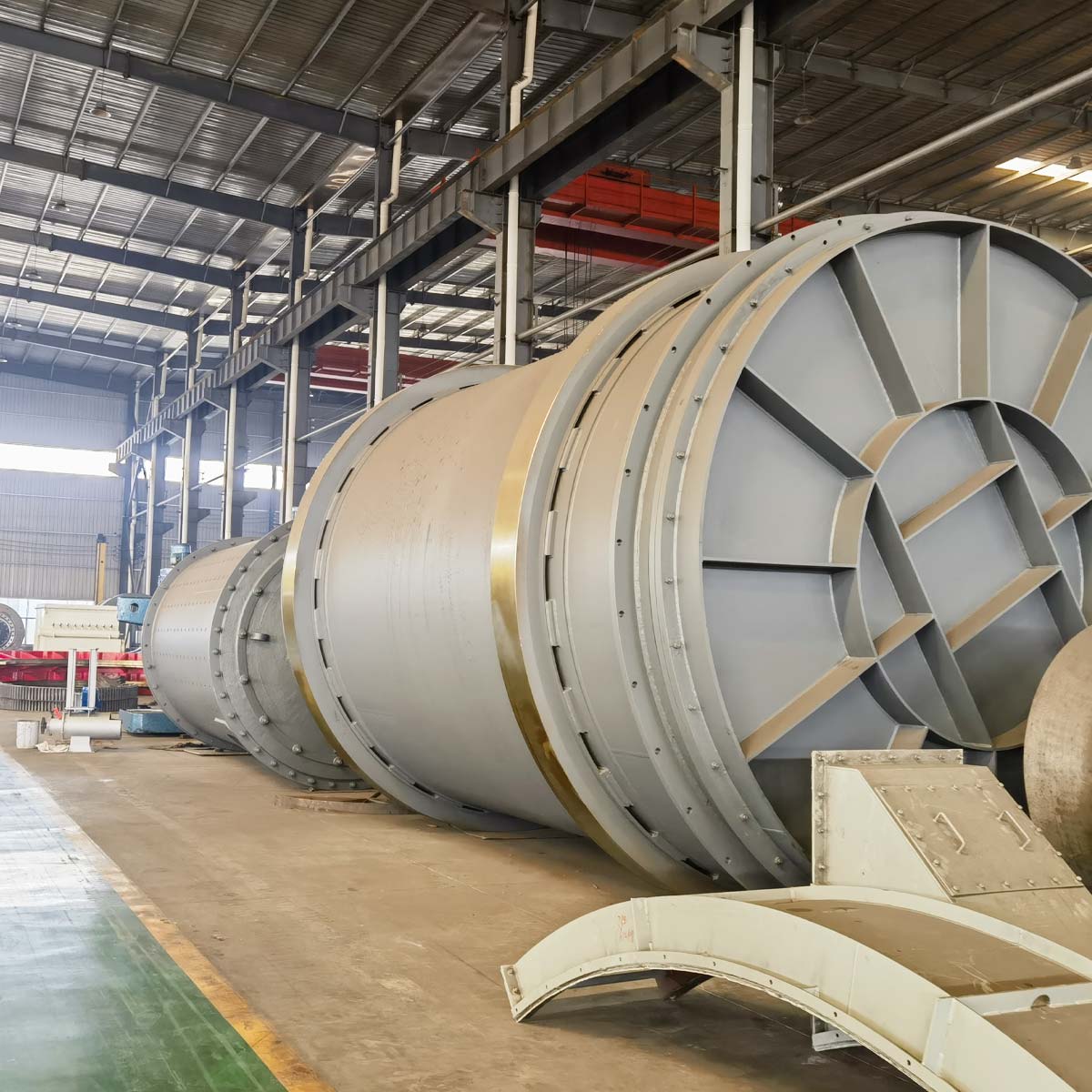
How it works
Performance and features
A more scientific length-diameter ratio
Scientifically optimize the aspect ratio parameters of the equipment, effectively inhibit the occurrence of material over-grinding, ensure the grinding process is accurate and controllable, and at the same time improve the uniformity of material grinding and the quality of finished products, so as to achieve a more ideal grinding effect.
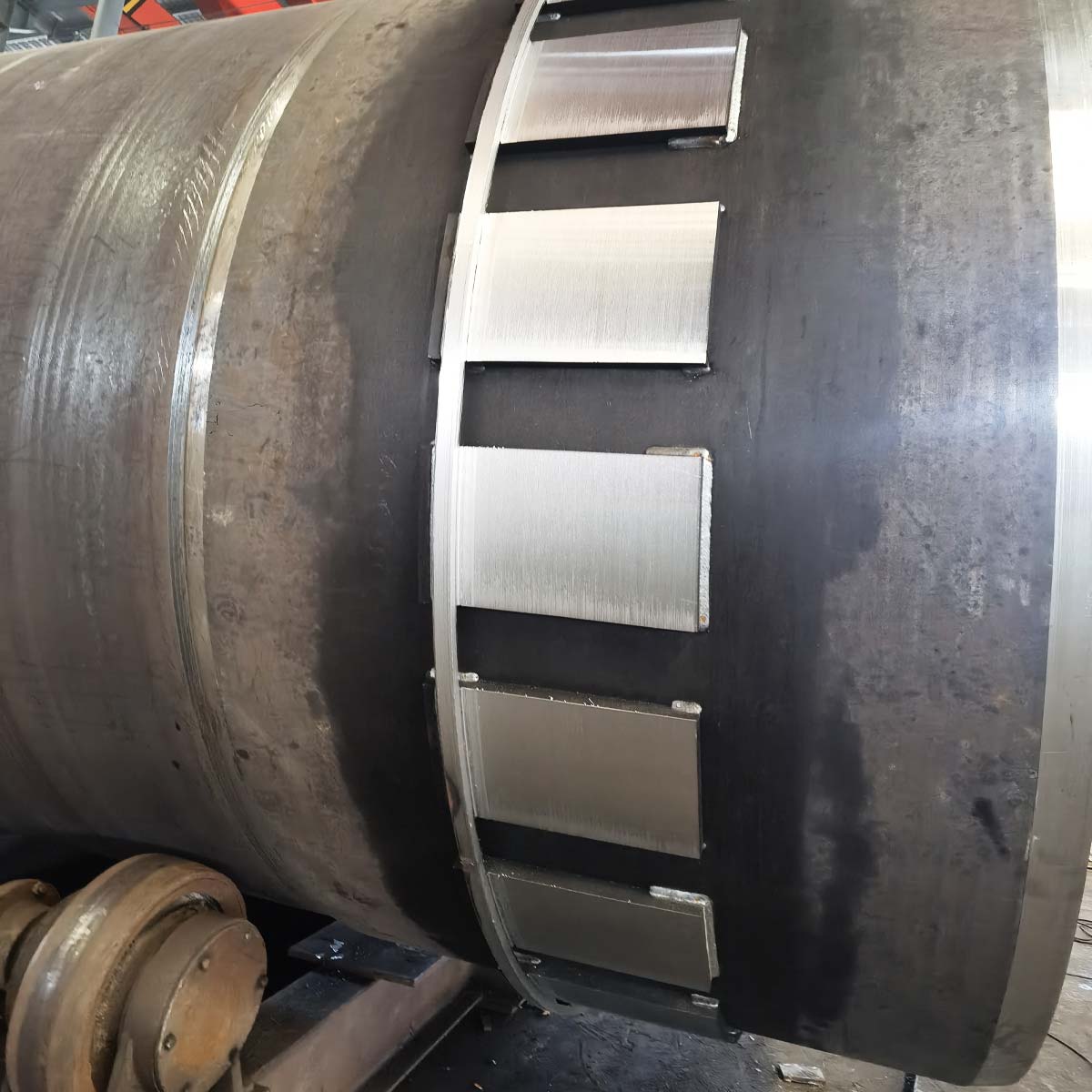
Upgraded jaw plates and media
Optimize the opening rate and opening structure design of the jaw plates, match them with smaller-specification grinding media, increase the contact area between materials and grinding media, strengthen the grinding force, significantly improve the grinding fineness of finished products, and meet the requirements of ultra-fine processing.
Reduce Retention, No Cooling Required
Adopting the plate-type mill tail discharge method, the material discharge path is smooth, completely eliminating the problem of material retention during the grinding process; at the same time, this design does not require additional cooling treatment for the cylinder, simplifying the equipment structure and operation process.Precise Addition of Grinding Aids
For ultra-fine powder grinding scenarios, grinding aids are added precisely. By reducing material grinding resistance and decreasing particle agglomeration, grinding efficiency is effectively improved, the processing cycle of ultra-fine powder is shortened, and the unit energy consumption is reduced.
Precise Spraying of Grinding Aids
Equipped with high-precision metering pumps, grinding aids can be uniformly sprayed into the mill at precise time intervals and doses according to the preset product fineness standards, stably improving grinding efficiency and finished product fineness.
Closed-Loop Design, Dust-Free Operation
It forms a complete closed-loop system together with the classifier, adopting negative pressure conveying technology. Materials complete the entire process of grinding, classification and conveying in a sealed environment without dust leakage, achieving green and dust-free operation and meeting the environmental protection production standards.
Precise Quantitative Feeding
The ball mill is equipped with a precise quantitative feeding system. Through an intelligent control mechanism, it can maintain a stable feeding rate even when the material density fluctuates, avoiding the impact of uneven feeding on grinding efficiency and finished product quality.
Coordinated Matching of Classifiers
The classifier and the discharge section of the ball mill form an interlocking control logic, achieving coordinated matching of feeding, discharging and classification, which not only ensures the stable operation of the entire system but also enables precise control of product particle size.
Precise Regulation of Airflow Velocity
Equipped with a professional airflow measurement system, the damping valve can monitor and precisely regulate the airflow velocity in real time. By optimizing airflow parameters, it ensures the stability of the classification process, thereby improving classification efficiency and accuracy.
Technical Parameters
| Ball Mill Model | JBM1830 | JBM2200 | JBM2400 | JBM2600 | JBM2800 | JBM3000 |
|---|---|---|---|---|---|---|
| Ball Mill Power kW | 220 | 320 | 450 | 630 | 710 | 800 |
| Classifier Power kW | 192 | 290 | 384 | 580 | 670 | 764 |
| Coarse Crushing System Power kW | 37 | 55 | 65 | 90 | 90 | 110 |
| Conveying and Packaging Power kW | 11 | 22 | 22 | 30 | 37 | 37 |
| Air Compressor Power kW | 18.5 | 30 | 45 | 55 | 75 | 90 |
| Capacity at D97:15μm t/h | 2.7 | 4 | 5.4 | 8 | 9.4 | 11 |
| Capacity at D97:10μm t/h | 2 | 3 | 4 | 6 | 7 | 8 |
| Capacity at D97:5μm t/h | 0.9 | 1.3 | 1.8 | 2.7 | 3 | 3.6 |
Related Processes & equipment
Vertical Mill Production Process
Ring Roller Mill Production Process