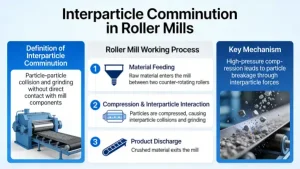
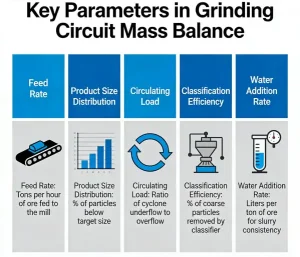
To cool the grinding zone in high-intensity milling, combineequipment-integrated cooling systems,direct heat extraction techniques,process optimization, andadvanced cooling mediato target heat at its source and prevent thermal damage to materials or equipment.
Key Cooling Principles for High-Intensity Milling
High-intensity milling generates extreme heat through friction and impact (often exceeding150°Cin the grinding zone). Effective cooling requires:
- Direct heat extractionfrom the grinding chamber/workpiece interface
- Rapid heat transferusing high thermal conductivity media
- Uniform cooling distributionto avoid hotspots
- Minimal interferencewith the grinding process
- Temperature control(typically20–40°Cfor most materials)
I. Equipment-Integrated Cooling Systems
1. Cooling Jackets/Mantles (Most Common)
- Design: Double-walled grinding chamber with internal channels for coolant circulation
- Media: Chilled water (5–15°C), glycol-water mixtures, or specialized cooling fluids
- Applications: Stirred media mills, attritors, bead mills, and horizontal mills
- Advantages: Simple integration, high heat absorption capacity, and non-intrusive design
- Optimization: Use spiral or baffled channels to enhance turbulence and heat transfer efficiency
2. Through-Spindle/Internal Cooling
- Design: Coolant delivered directly through the spindle/agitator shaft to the grinding zone
- Pressure:300–2000 psi (20–140 bar)for deep penetration into the grinding arc
- Applications: High-speed mills, tool grinding, and precision machining
- Advantages: Eliminates air barrier effect, provides lubrication and cooling simultaneously
3. Four-in-One Cooling Systems (Advanced Bead Mills)
- Components: Cooling integrated into front cover, cylinder, mechanical seal, and agitator shaft
- Effect: 3D temperature control with no agglomeration or product degradation
- Performance: Chilled water at15°Cimproves grinding efficiency by30%compared to ambient water
4. Heat Pipe-Assisted Cooling
- Design: Embedded heat pipes in grinding tools or chambers for passive heat transfer
- Advantages: No external power required, efficient heat removal from inaccessible areas
- Applications: Planetary mills, small-scale high-intensity milling
II. Direct Heat Extraction Techniques for Grinding Zone
1. High-Pressure Jet Cooling (HPC)
- Design: Focused coolant jets (70–1000 bar) directed at the grinding interface
- Nozzles: Specialized designs with0.1–0.5 mmdiameter for precise targeting
- Advantages: Penetrates chip layers, breaks chips, and enhances heat transfer by50–80%
- Optimization: Use multiple nozzles for full coverage of the grinding arc
2. Cryogenic Cooling
- LN₂ Cooling: Direct liquid nitrogen (-196°C) application to the grinding zone
- Methods: Cooling 罩覆盖工作区,持续通入 LN₂;或内部冷却管直接喷入研磨腔
- Best for: Heat-sensitive materials, polymer composites, and cryomilling for nanograin refinement
- Cryogenic Air Cooling: Precooled air (-20°C) mixed with water mist for enhanced heat transfer
- CPMJ Technology: 0°C water carried by -20°C cryogenic air in high-speed mist jets
3. Minimum Quantity Lubrication (MQL) with Cooling
- Design: Fine mist of lubricant (5–50 ml/h) mixed with compressed air for cooling/lubrication
- Hybrid CRYO-MQL: Combines MQL with liquid nitrogen or CO₂ for superior cooling/lubrication
- Advantages: Reduces coolant consumption by95%, improves surface finish, and enhances chip evacuation
4. Direct Cooling Media Integration
| Cooling Method | Implementation | Applications | Advantages |
|---|---|---|---|
| Cooling Beads | Thermally conductive grinding media (Cu/Al alloys) or hollow beads with internal coolant | Wet grinding, bead mills | Direct heat extraction from grinding zone |
| Refrigerated Grinding Media | Precooled media (-50 to -100°C) added to the chamber | Planetary mills, batch processing | Rapid initial cooling, maintains low temperature during milling |
| Internal Heat Sinks | Solid metal discs in contact with grinding bowls for conduction cooling | Planetary mills, laboratory-scale | Simple, low-cost, effective for small volumes |
III. Process Optimization for Heat Reduction
1. Energy Input Management
- Reduce specific energy: Optimize mill speed (avoid supercritical speeds) and media filling (70–90%volume)
- Pulsed operation: Alternate grinding and cooling cycles for heat-sensitive materials
- Recirculation control: Minimize residence time in the grinding chamber (20–30 seconds/passfor attritors)
2. Material Pre-Cooling
- Feed cooling: Pre-cool material to5–15°Cbefore grinding to reduce heat load
- Slurry cooling: Use heat exchangers in recirculation lines to remove heat before re-entry into the grinding chamber
- Inert gas cooling: Precool nitrogen/argon carrier gas (0–10°C) for dry grinding to enhance heat removal and prevent oxidation
3. Grinding Media Selection
- High thermal conductivity: Use media withk > 50 W/m·K(e.g., steel, tungsten carbide) for faster heat dissipation
- Size optimization: Smaller media increases surface area for heat transfer but may reduce grinding efficiency (balance required)
IV. Cooling Methods by Milling Type
1. Planetary Mills (Most Challenging for Cooling)
- Solutions:
- External cooling 罩: Enclose the grinding area with a cooling chamber and circulate cryogenic gas (LN₂)
- Heat sink discs: Solid metal plates in contact with rotating bowls for conductive cooling
- Dual cooling: Combine external cooling with pre-cooled grinding media for maximum effectTENCAN
- Commercial systems: Cryogenic planetary mills maintain-196°Cwith automated LN₂ delivery
2. Stirred Media Mills/Attritors
- Optimal approach: Cooling jackets + through-shaft cooling + slurry recirculation cooling
- Circulation attritors: Benefit from jacketed holding tanks acting as heat sinks
- Design tip: Use multiple cooling zones along the grinding chamber length for uniform temperature
3. Dry High-Intensity Milling
- Gas-assisted cooling:
- Precool compressed air to0–10°Cbefore introduction to the grinding zone
- Use inert gases (N₂, Ar) to prevent oxidation while cooling
- Fluidized bed cooling: Combine grinding with fluidization using cold gas for simultaneous size reduction and temperature control
V. Monitoring & Control Systems
1. Temperature Sensing
- Internal probes: Thermocouples embedded in the grinding chamber wall or media bed
- Infrared sensors: Non-contact temperature measurement of the grinding zone surface
- Slurry exit temperature: Real-time monitoring to adjust cooling intensity
2. Feedback Control
- PLC-based systems: Automatically adjust coolant flow, temperature, or grinding parameters based on sensor data
- Adaptive cooling: Vary cooling intensity with grinding power (higher power = increased cooling)
- Safety interlocks: Shutdown if temperature exceeds material-specific thresholds (typically60–80°C)
VI. Implementation Guide: Step-by-Step Cooling Design
-
Heat Load Calculation:
- Estimate heat generation (Q = 0.8–0.9 × P; wherePis mill power input in kW)
- Determine required cooling capacity (typically1.2–1.5 × Qfor safety margin)
-
Cooling Method Selection:
| Scenario | Recommended Cooling Method |
|---|---|
| Heat-sensitive materials (polymers, pharmaceuticals) | Cryogenic cooling + jacket cooling |
| High-volume production mills | Four-in-one cooling system + heat exchanger |
| Laboratory-scale planetary milling | Heat sink + external cooling |
| Dry grinding of oxidizable materials | Precooled inert gas + jacket cooling |
-
Coolant Selection:
- Water-based: Best for general applications (5–15°C), cost-effective, high heat capacity
- Glycol mixtures: For sub-zero temperatures (down to-30°C)
- Specialized fluids: For high-temperature resistance or compatibility with aggressive materials
-
Optimization Tips:
- Maintain coolant velocity at1–2 m/sin jackets for optimal heat transfer
- Use counter-current flow for maximum temperature difference between coolant and grinding chamber
- Clean cooling channels regularly to prevent scale buildup (reduces efficiency by30–50%)
VII. Advanced Cooling Technologies (Emerging)
1. Active Coolant Activation
- Ultrasonic-assisted cooling: Use ultrasound to enhance coolant penetration and heat transfer by40–60%
- Magnetic cooling: For specialized applications requiring precise temperature control (±0.1°C)
2. Phase-Change Cooling
- CO₂ snow cooling: Solid CO₂ particles (-78.5°C) applied to the grinding zone for rapid cooling
- Eutectic mixture cooling: Use phase-change materials (PCMs) embedded in grinding tools for passive temperature stabilization
Summary
Effective cooling of the grinding zone in high-intensity milling requires amulti-faceted approachcombining equipment-integrated systems, direct heat extraction techniques, and process optimization. For most industrial applications, a combination ofcooling jackets,through-spindle cooling, andtemperature monitoringprovides the best balance of efficiency, cost, and performance. For heat-sensitive materials or extreme conditions, upgrade tocryogenic coolingorhybrid CRYO-MQLsystems to ensure product integrity and process stability.