Ultrafine Grinding and Classification Process and Equipment for Calcium Carbonate

The ultra-fine crushing and classification process of ground calcium carbonate (GCC) mainly involves processing calcium carbonate minerals into industrial-grade powders via crushing and grinding equipment. The process route and equipment selection are determined based on product requirements such as particle size, particle shape, whiteness, and particle size distribution. Grinding equipment is designed based on single or combined forces like impact, extrusion, and friction, which directly affect grinding efficiency and product fineness.

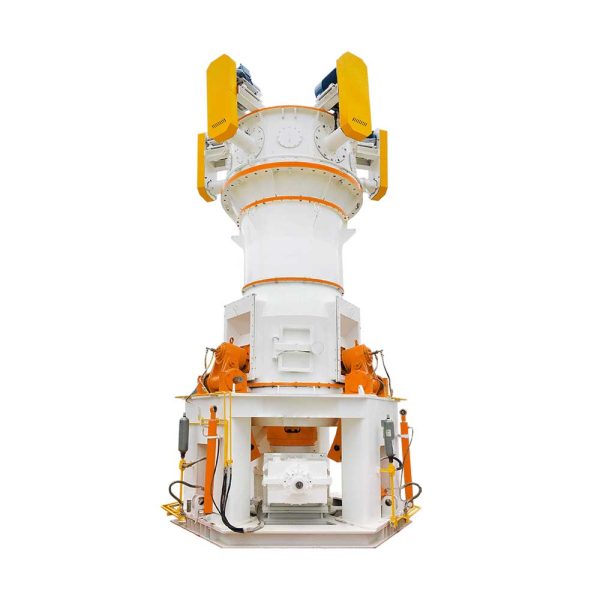
In large-scale dry production, common equipment includes Raymond mills, vertical mills, roller mills with classifiers, and ball mills with classifiers. Due to differences in crushing principles and discharge methods, the resulting powders vary significantly in particle shape, particle size distribution, and unit energy consumption, leading to distinct product positioning. Among these, ball mills can form a closed-circuit circulation system with classifiers, allowing coarse powders to be recycled for regrinding. In contrast, Raymond mills, vertical mills, and other equipment have limited grinding chamber capacity, making material recycling difficult and preventing closed-circuit operation. Additionally, ball mills operate at low speeds, minimizing impact and friction energy consumption. They are not only ideal for grinding high-hardness, abrasive minerals but also an economical choice for processing white filler minerals such as calcium carbonate.
Equipment and Processes We Can Provide

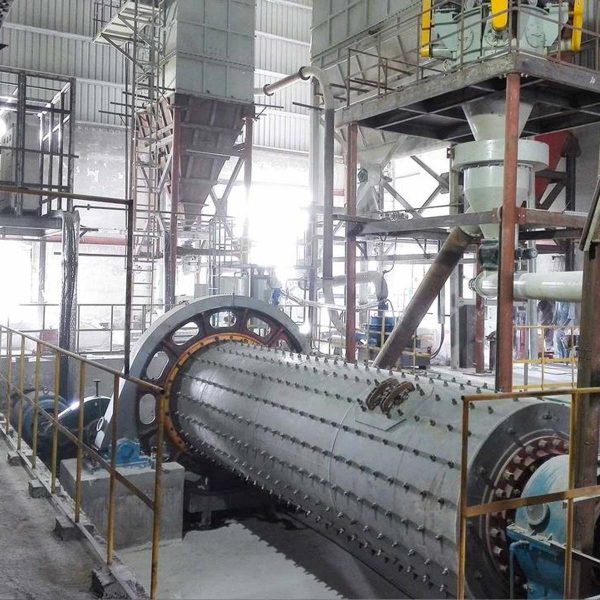
Ball Mill And Air Classifier Production Line

The automatic ball milling and classification production line dedicated to calcium carbonate is an advanced integrated crushing and classification equipment developed specifically for the characteristics of calcium carbonate ore powder. Adopting a closed-circuit circulation system design, this production line boasts core advantages such as low energy consumption, high output, stable and efficient operation, mature and reliable technology, and precise control over the particle size of finished products. Its complete technological process includes key links such as two-stage crushing, fine grinding, precise classification, finished product packaging, silo storage, material conveying and vertical lifting. Multiple classifiers can be connected in parallel or in series at the rear end of the ball mill to realize the simultaneous production of calcium carbonate products with various particle size specifications.

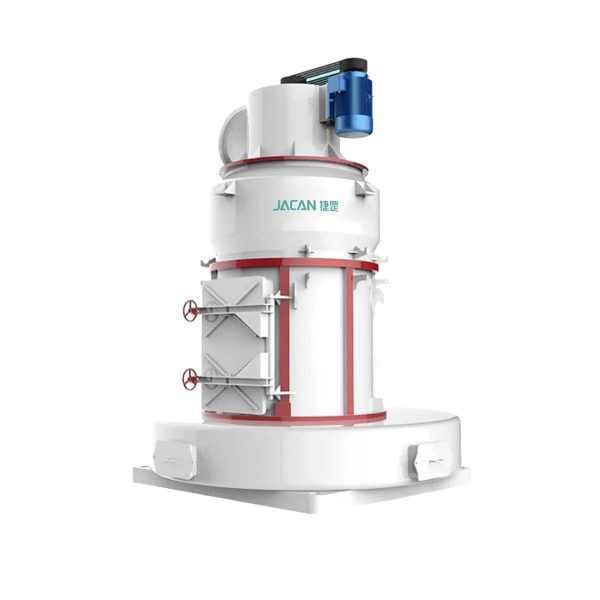
Ring Roller Mill Ultra-Fine Grinding Process

The ultra-fine grinding process of calcium carbonate by ring roller mill adopts an exclusive "multi-roller small-diameter" design. With precisely controlled fit clearance between the ring rollers and grinding rings, it can process calcium carbonate powder to an ultra-fine precision of up to 2500 mesh (about 5 microns). This process features lower energy consumption than traditional equipment and a low proportion of over-ground powder in the finished product, which ensures uniform particle size distribution and lower oil absorption value of calcium carbonate powder. It is suitable for processing calcium carbonate materials with a Mohs hardness below grade 5 and moderate fineness requirements.

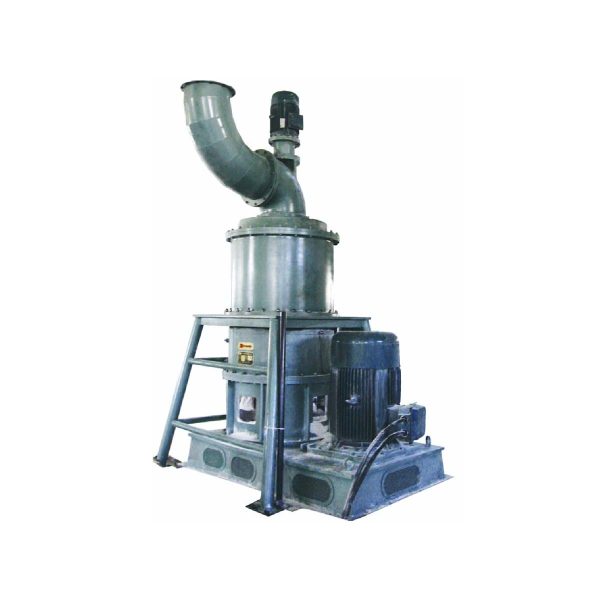
Raymond Mill Ultra-Fine Grinding Process

In the calcium carbonate industry, the Raymond mill is one of the earliest and most widely used grinding equipment in the world. Its conventionally processed calcium carbonate powder has relatively low fineness, which is mainly suitable for the large-scale production of ordinary calcium carbonate powder with a mesh size of over 400. With secondary classification, small batches of products with a mesh size of 500–1250 can be obtained, thus having the capability of large-scale production of coarse powder and small-batch production of fine powder.