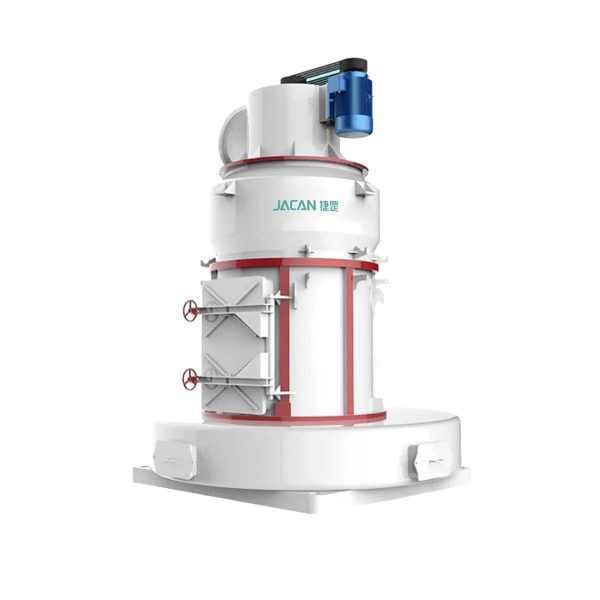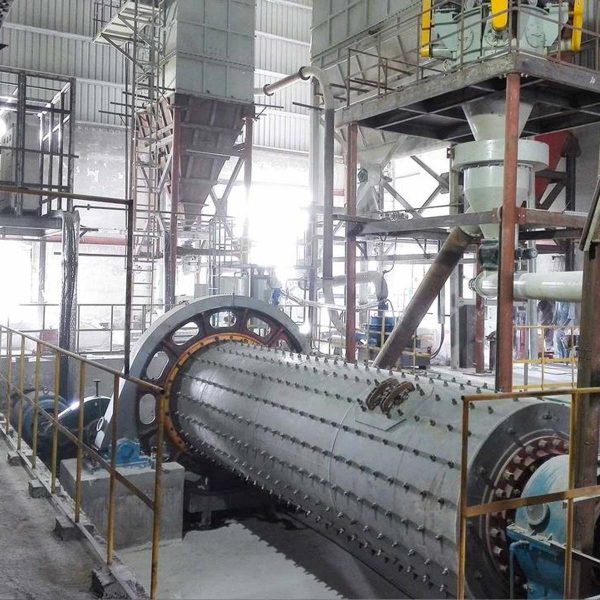
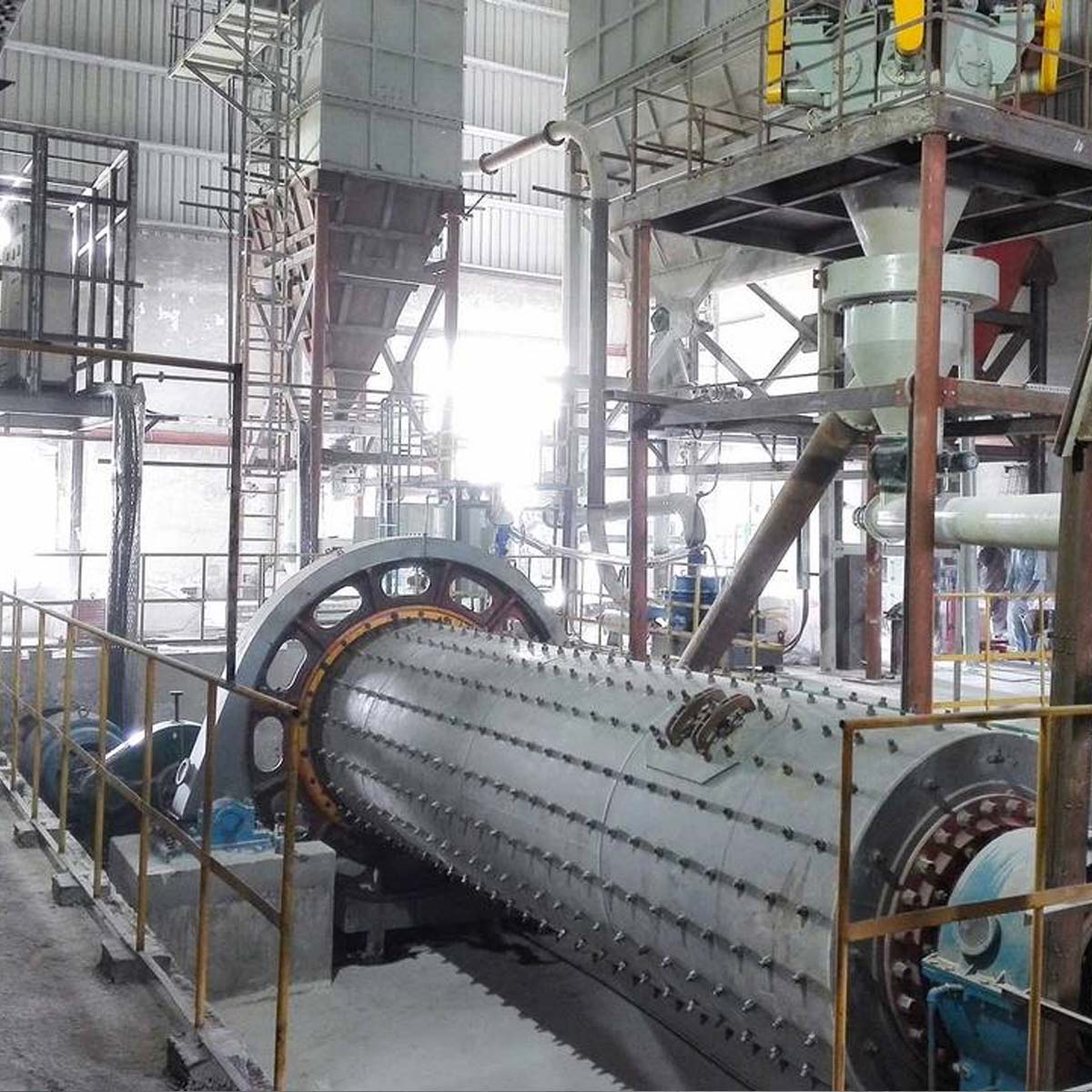
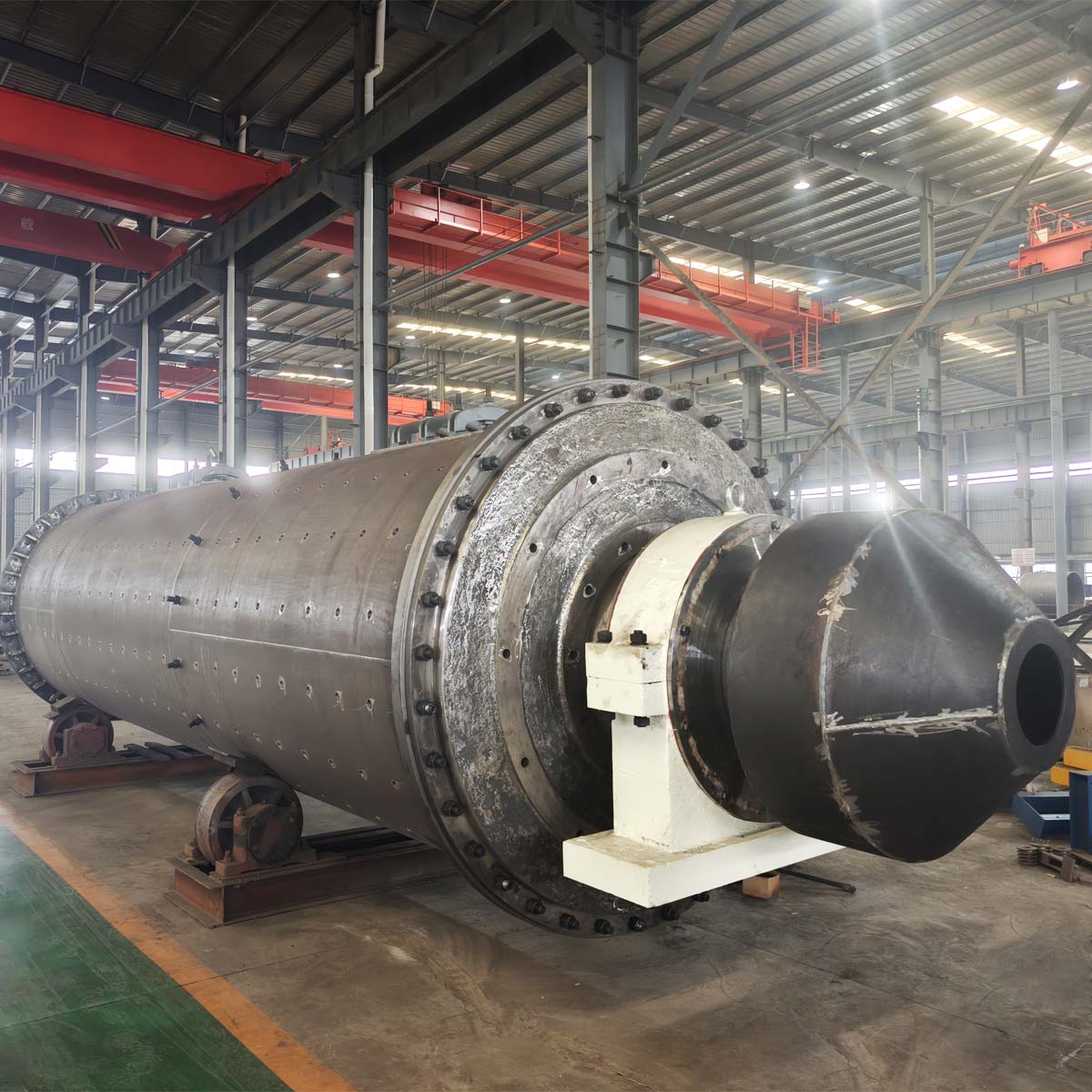
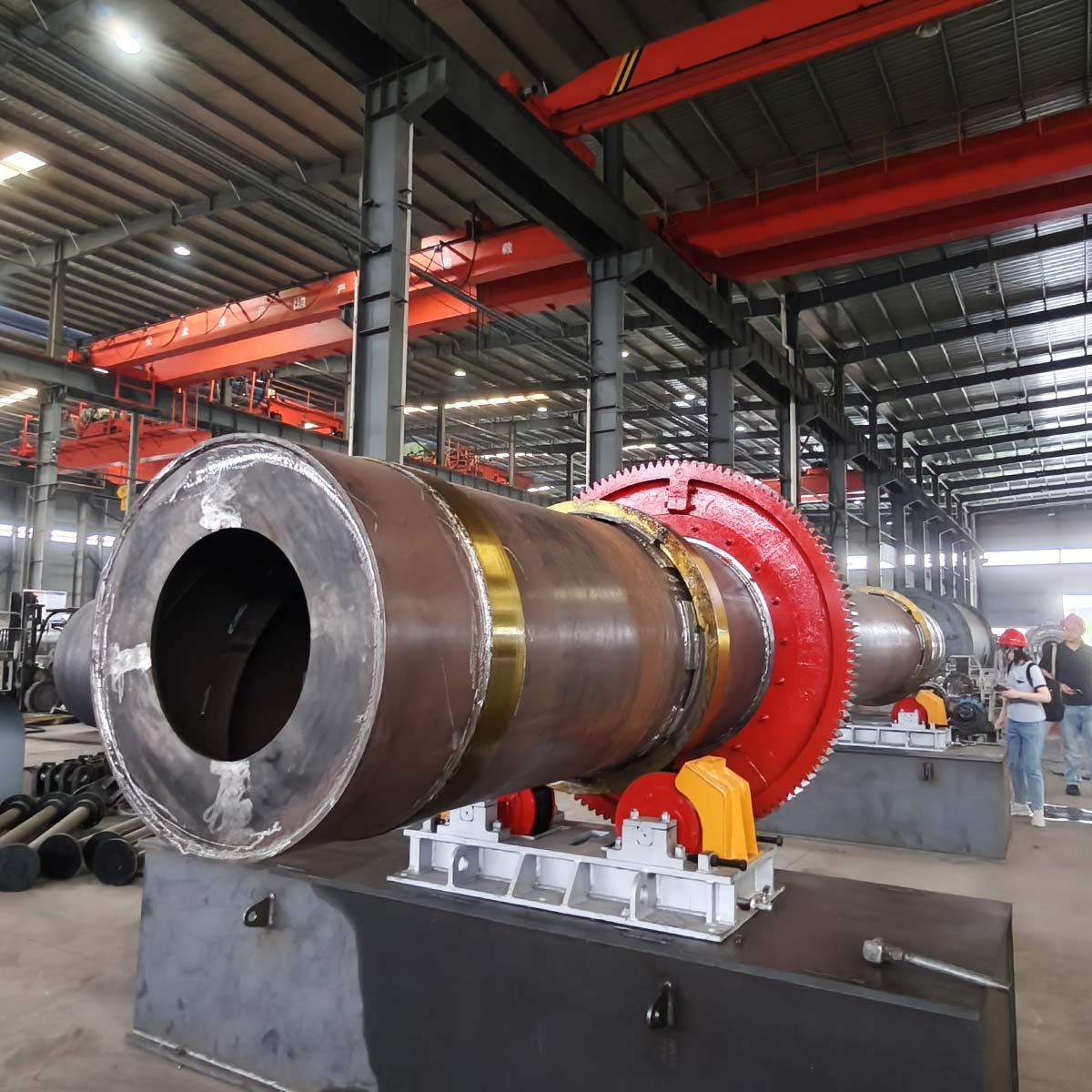
Производственный процесс шаровой мельницы и воздушного классификатора
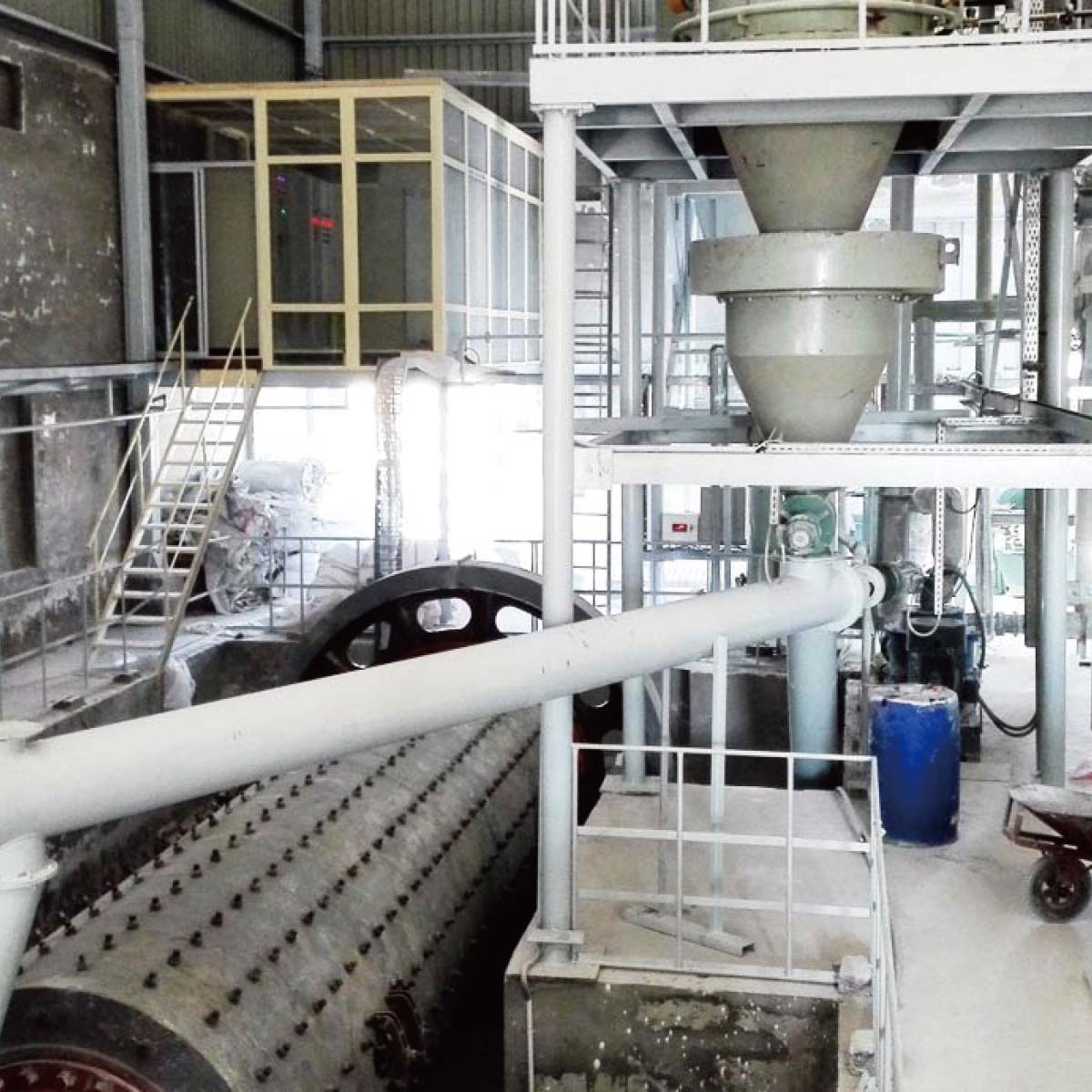
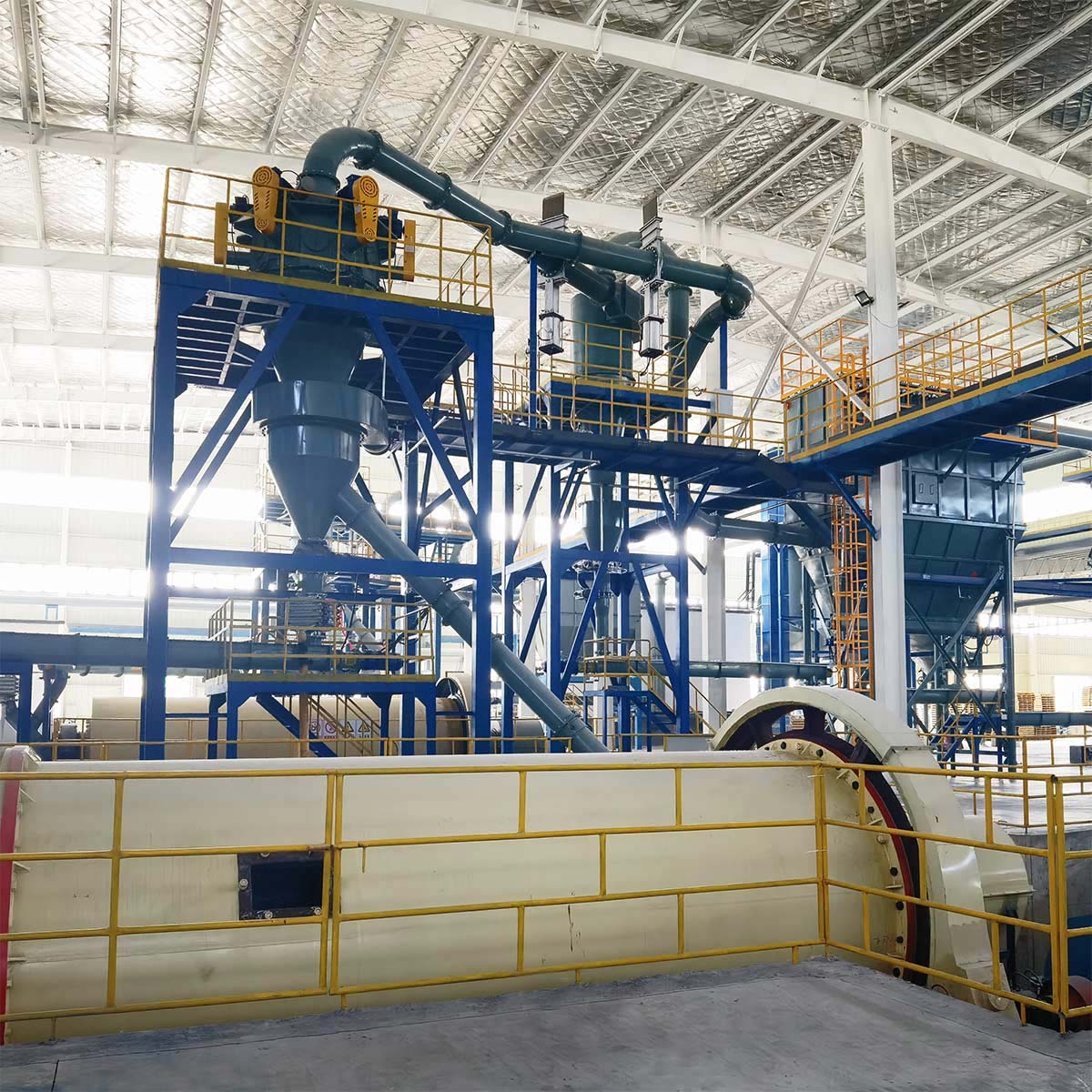
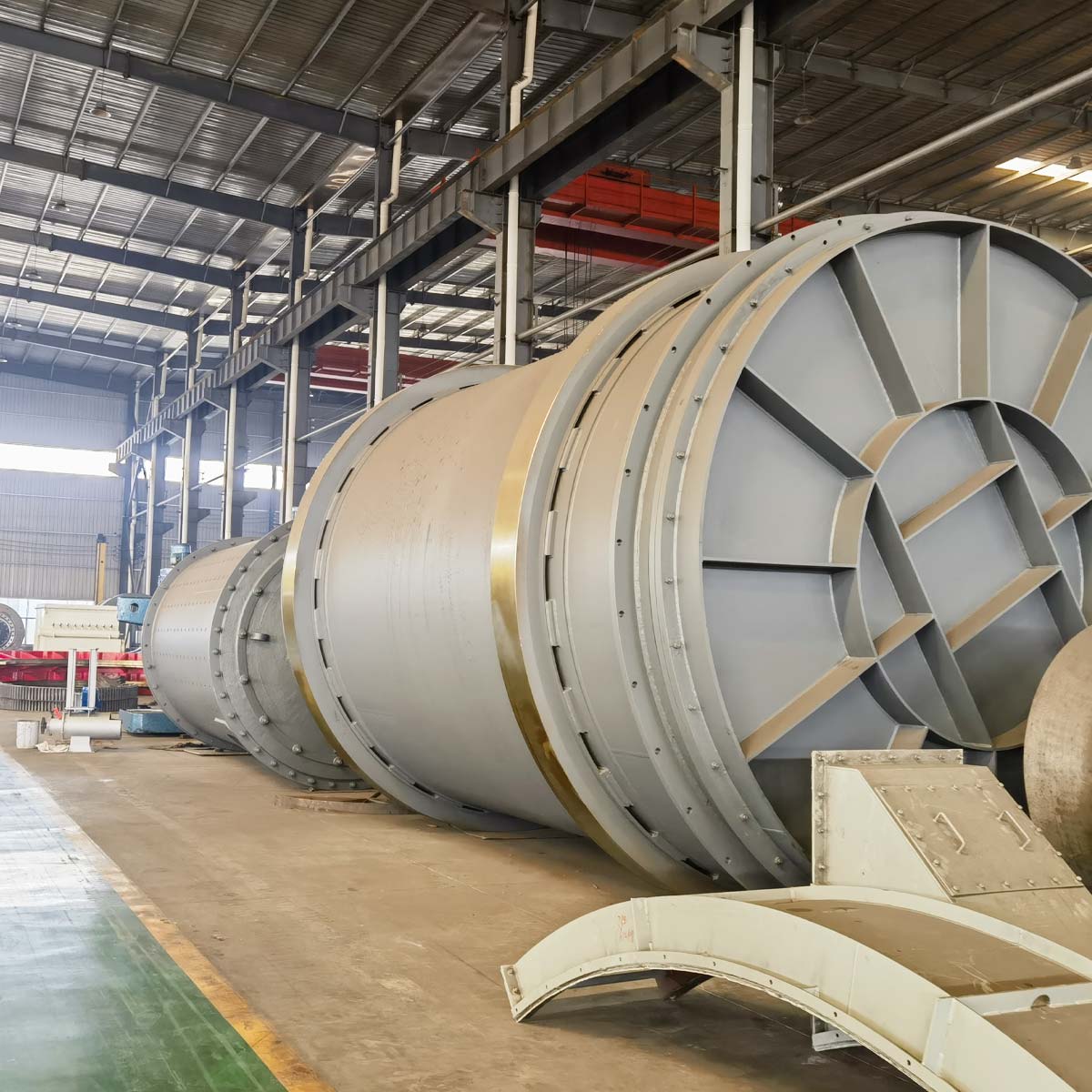
Принцип работы
Характеристики и особенности
Более научное соотношение длины к диаметру
Научно оптимизировать параметры соотношения длины к диаметру оборудования, эффективно предотвратить возникновение явления перемола материала, обеспечить точность и управляемость процесса помола, а также улучшить равномерность помола материала и качество готового продукта, чтобы достичь более идеального эффекта помола.
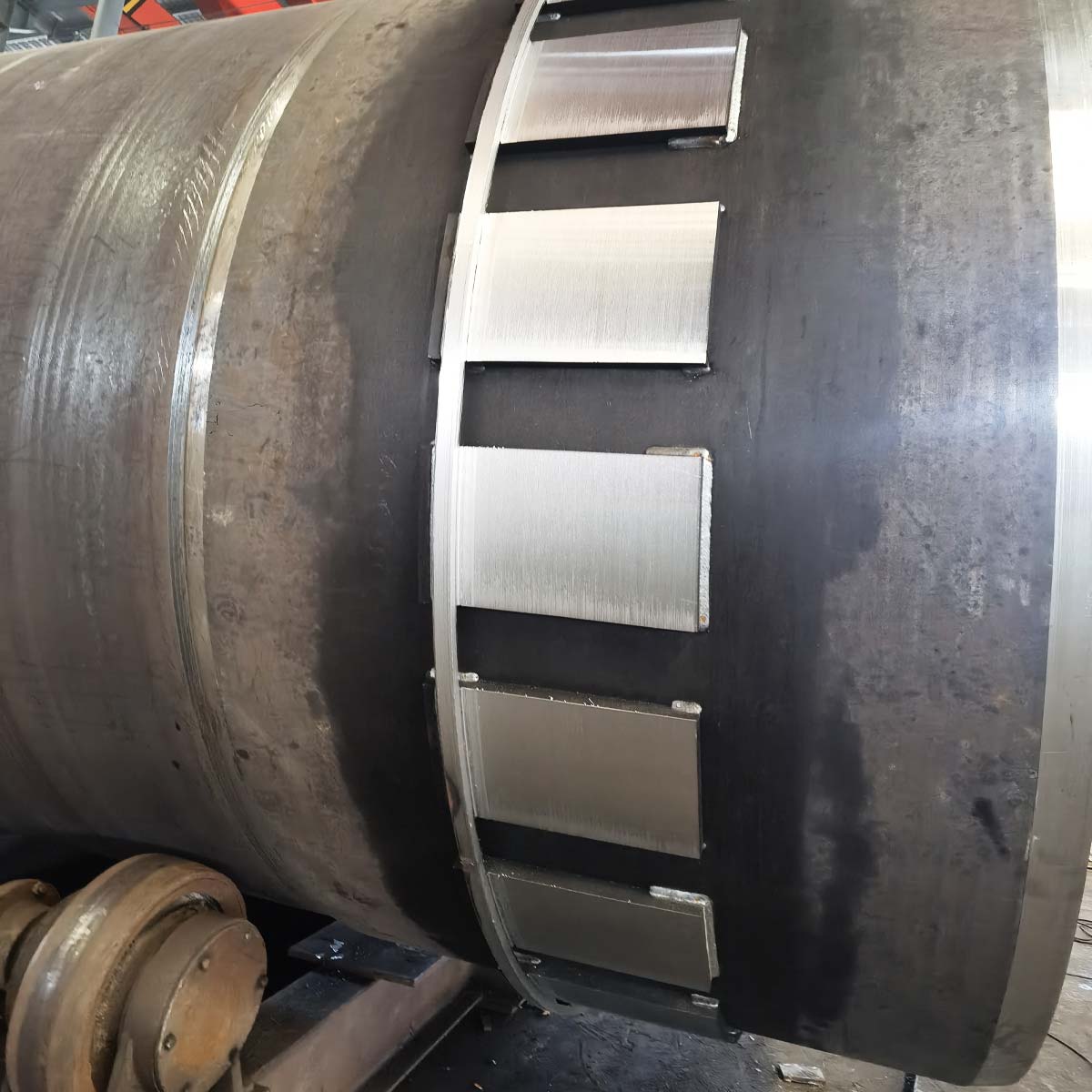
Усовершенствованные челюсти и мельничные тела
Оптимизировать коэффициент отверстий и конструкцию отверстий челюстей, сочетать с мельничными телами более мелких размеров, увеличить площадь контакта между материалом и мельничными телами, усилить силу помола, значительно улучшить тонкость помола готового продукта и удовлетворить требования сверхтонкой обработки.
Снижение задержки, охлаждение не требуется
Применяется пластинчатый способ выгрузки материала с конца мельницы, обеспечивающий беспрепятственный путь движения материала и полностью исключающий проблему задержки материала во время процесса помола; одновременно данное конструктивное решение не требует дополнительной охлаждающей обработки цилиндра, упрощая конструкцию оборудования и технологический процесс эксплуатации.Точное дозирование помолающих добавок
Для сценариев помола сверхтонких порошков предусмотрено точное дозирование помолающих добавок. За счет снижения сопротивления материала при помоле и уменьшения агломерации частиц эффективно повышается производительность помола, сокращается цикл обработки сверхтонких порошков и снижается удельный энергопотребление.
Точное распыление помолающих добавок
Комплектуется высокоточными дозаторами, которые позволяют равномерно распылять помолающие добавки в мельницу с точными интервалами времени и дозировкой в соответствии с предварительно заданными стандартами тонкости готового продукта, стабильно повышая эффективность помола и тонкость готового продукта.
Замкнутая конструкция, беспыльная эксплуатация
Вместе с классификатором образует полную замкнутую систему с применением технологии транспортировки под отрицательным давлением. Материал проходит весь цикл помола, классификации и транспортировки в герметичной среде без утечки пыли, обеспечивая экологически чистую беспыльную эксплуатацию и соответствие стандартам экологически безопасного производства.
Точное дозирование подачи сырья
Шаровая мельница оснащена системой точного дозирования подачи сырья. За счет интеллектуального управления она поддерживает стабильную скорость подачи даже при колебаниях плотности материала, исключая влияние неравномерной подачи на эффективность помола и качество готового продукта.
Согласованное совмещение классификаторов
Классификатор и секция выгрузки шаровой мельницы формируют логику взаимоблокированного управления, обеспечивая согласованное совмещение подачи, выгрузки и классификации, что не только гарантирует стабильную работу всей системы, но и позволяет точно контролировать гранулометрический состав продукта.
Точная регулировка скорости воздушного потока
Комплектуется профессиональной системой измерения воздушного потока, которая позволяет в реальном времени контролировать и точно регулировать скорость воздушного потока с помощью демпферного клапана. За счет оптимизации параметров воздушного потока обеспечивается стабильность процесса классификации, что повышает эффективность и точность классификации.
Технические параметры
| Модель шаровой мельницы | JBM1830 | JBM2200 | JBM2400 | JBM2600 | JBM2800 | JBM3000 |
|---|---|---|---|---|---|---|
| Мощность шаровой мельницы (кВт) | 220 | 320 | 450 | 630 | 710 | 800 |
| Мощность классификатора (кВт) | 192 | 290 | 384 | 580 | 670 | 764 |
| Мощность системы грубого дробления (кВт) | 37 | 55 | 65 | 90 | 90 | 110 |
| Мощность системы транспортировки и упаковки (кВт) | 11 | 22 | 22 | 30 | 37 | 37 |
| Мощность компрессора (кВт) | 18.5 | 30 | 45 | 55 | 75 | 90 |
| Производительность при D97:15 мкм (т/ч) | 2.7 | 4 | 5.4 | 8 | 9.4 | 11 |
| Производительность при D97:10 мкм (т/ч) | 2 | 3 | 4 | 6 | 7 | 8 |
| Производительность при D97:5 мкм (т/ч) | 0.9 | 1.3 | 1.8 | 2.7 | 3 | 3.6 |
Связанные процессы и оборудование
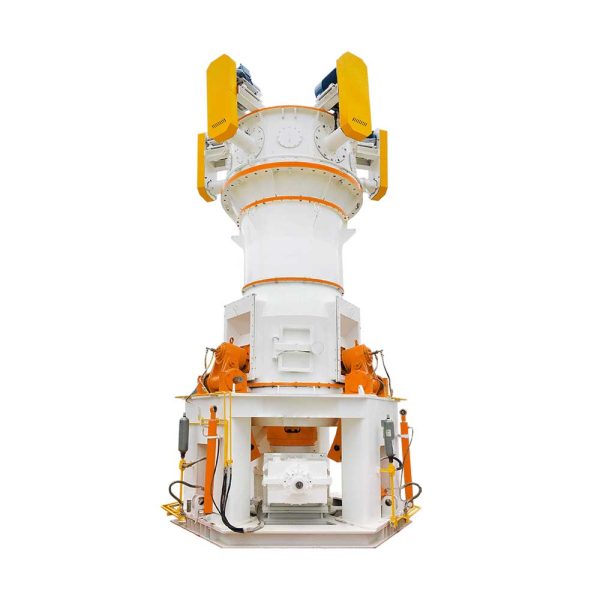
Технология производства вертикального мельника
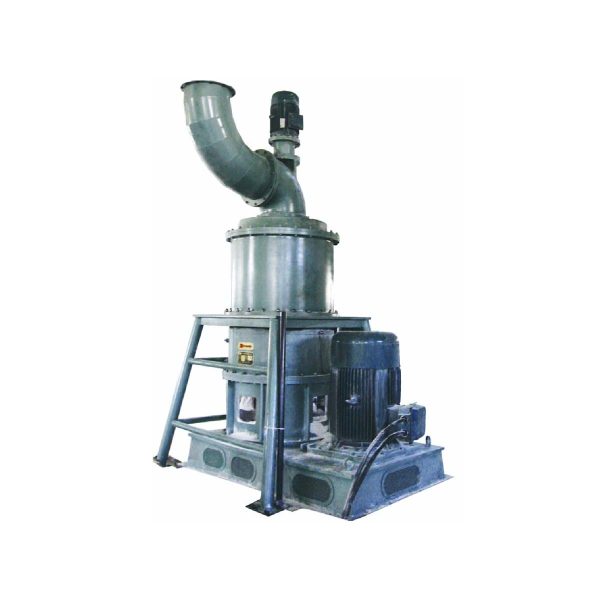
Технология производства кольцевого валкового мельника